The Fairy Tale They’re Selling You
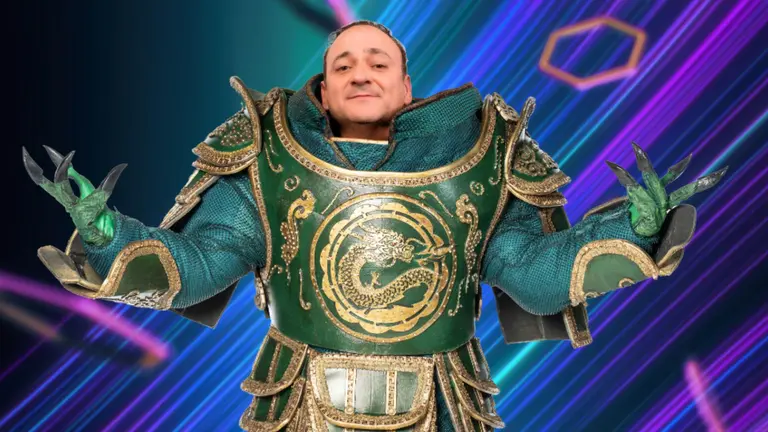
And so another week passes, and the glittery machine of primetime television churns out its weekly dose of manufactured surprise. They want you to believe in the magic. They desperately need you to sit on your couch, wide-eyed and breathless, as another sequined monstrosity waddles onto the stage and a panel of celebrity “investigators” pretend to be utterly baffled. This week, it was the turn of ‘Samurái’ and ‘Capibara’ to be “sacrificed” in the great, emotionally manipulative spectacle that is ‘¿Quién es la Máscara?’. The official story? A hard-fought battle of vocal titans where the audience, in its infinite wisdom, cast its votes and sent two beloved characters packing. The masks came off, revealing comedian Eduardo España and actor Diego Klein. Gasps. Applause. A few crocodile tears from the judges. It’s all so very touching.
This is the narrative TelevisaUnivision pushes down your throat. It’s a story of mystery, of family fun, of a level playing field where talent, and only talent, determines the winner. It’s a harmless guessing game. A whimsical escape from the dreary realities of the world. But it’s a lie. A beautiful, high-budget, masterfully produced lie designed for one purpose: to keep you watching the commercials.
The Machine Behind the Mask
Because you have to wake up and smell the cynical, corporate coffee. This isn’t a competition. It was never a competition. It’s a carefully scripted, contractually obligated piece of theater where the outcome was decided months before the first note was ever sung. What you are watching is not a reality show; it is a long-form infomercial for the Televisa talent roster, and the “eliminations” are just plot points in their marketing strategy.
The Contractual Elimination
Let’s get one thing straight. No celebrity of any note signs up for a show like this without a meticulously detailed contract that specifies exactly how many episodes they will appear in. Do you really think an A-list actor or a legendary singer is going to subject themselves to the potential “humiliation” of being voted off first? Get real. Their appearance is a transaction. They provide a jolt of star power and a “shocking reveal” in exchange for a fat paycheck and a guaranteed number of weeks of primetime exposure. Eduardo España and Diego Klein weren’t “voted off.” Their contracts simply expired. Their predetermined story arc came to its scheduled conclusion. It’s as romantic as a quarterly earnings report.
And the logic is brutally simple. A major star might only agree to three or four episodes. Enough to create buzz, but not so much that it interferes with their actual career. A B-lister, or an up-and-comer the network wants to promote, gets a longer run. They are the cannon fodder, the ones who stick around to fill the middle episodes. The winner? That’s decided from day one, based on which “asset” in the network’s portfolio needs the biggest career boost or has the most significant project to promote right after the finale. It’s a cold, hard business calculation. Your vote is irrelevant. A placebo.
Manufacturing “Surprise”
But what about the judges? The so-called “investigators” who agonize over the clues? It’s an act. A pathetic, insulting act. These people—Carlos Rivera, Yuri, Juanpa Zurita—are not detectives; they are paid actors in this charade. They are fed lines through an earpiece. Their wild, nonsensical guesses are scripted to throw the audience off the scent and prolong the “mystery.” They’ll guess absurd names, international stars who wouldn’t be caught dead on this show, all to build a false narrative of difficulty. And when the time is right, when the contract is up, one of them will suddenly have a “eureka” moment and correctly guess the identity just before the reveal. It’s choreographed to the second. It’s not deduction; it’s just reading from a teleprompter, and their feigned shock is an insult to the intelligence of every single person watching at home.
It’s Not a Contest, It’s a Commercial
So why do they do it? Why this elaborate deception? Because ‘¿Quién es la Máscara?’ is the most brilliant marketing vehicle the network has ever conceived. It’s a two-hour-long commercial for itself. Every single contestant is a walking, talking billboard for a TelevisaUnivision product. Is an actor in a new telenovela? Put them in a mask. Is a singer dropping a new album with the network’s record label? Get them in a costume. The show serves as a cross-promotional juggernaut. The unmasking of Diego Klein isn’t the end of his story; it’s the beginning of the marketing push for his next leading role. The appearance of Eduardo España reminds audiences of his enduring comedic brand, ensuring he stays relevant for future network projects. The show is a kingmaker, but the king is chosen in a boardroom, not on a stage. It’s about leveraging assets and maximizing return on investment. The art, the talent, the competition—it’s all just window dressing for the raw commerce underneath.
Why Them? Why Now?
The choices of España and Klein are themselves case studies in this corporate strategy. They are not random. They are archetypes. Eduardo España is “The Veteran.” He is a known quantity, a beloved comedian who has been a staple of Mexican television for decades. He’s a safe bet. His presence lends the show a sense of legitimacy and nostalgia. His unmasking provides a comfortable, satisfying “I knew it!” moment for the older demographic. He’s a company man, reliable and professional. His elimination was a routine, low-risk plot point, executed flawlessly to keep the machine humming.
But Diego Klein represents something else entirely. He is “The Investment.” A younger telenovela actor who the network is grooming for stardom. He has the looks, the charisma, but perhaps not yet the household-name recognition. What better way to build his public profile than to place him inside a sympathetic costume and give him a few weeks of primetime exposure? His participation wasn’t about winning; it was about brand-building. It was Televisa telling the audience, “This is our next leading man. Get to know him. Invest in him.” His elimination now is perfectly timed to launch him into his next, more significant project. He served his purpose. The investment has matured.
The Reality TV Industrial Complex
And you must understand that this isn’t unique to Mexico. This is the global playbook for the reality TV industrial complex. From the American ‘The Masked Singer’ to talent shows across Europe and Asia, the formula is the same. Create the illusion of competition, manufacture drama through clever editing and scripting, and ensure the outcome always serves the financial interests of the network and its sponsors. It’s a system perfected over decades, tracing its roots back to the rigged quiz shows of the 1950s. The technology has changed, the costumes are more elaborate, but the fundamental deception remains the same: making you believe you are watching something real when you are, in fact, consuming a meticulously crafted product.
So when the finale of ‘¿Quién es la Máscara?’ rolls around, don’t bother debating who sang the best or who deserves to win. The winner has already been chosen. It will be the person whose victory provides the maximum promotional benefit to the network at that exact moment in time. They will be crowned, the confetti will fall, and the lie will be complete. Because in the world of primetime television, the only thing that’s ever truly unmasked is the cold, hard cynicism of the corporate bottom line.