The Anatomy of Political Performance: Why Marjorie Taylor Greene’s Defiance Is a Calculated Exit Strategy
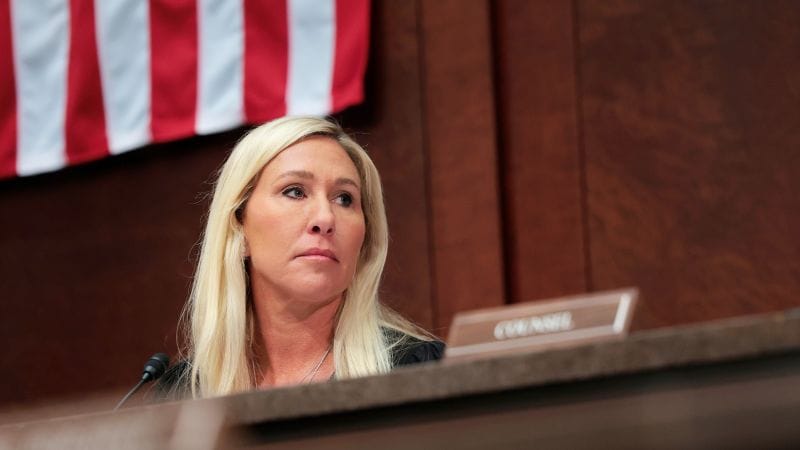
And so, we have come to the moment where the political theater collapses on itself. Marjorie Taylor Greene, having announced her resignation and subsequent departure from the public stage, stood defiant in her first interview, according to reports. The narrative she wants us to buy is one of principle: a principled warrior, disillusioned with the current state of affairs, ready to speak out against the very system she helped create. But let us deconstruct this performance with the necessary forensic tools, because what we are witnessing isn’t an act of ideological conversion; it’s a cold, hard, strategic maneuver by an operator who understands the changing tides of a volatile political ecosystem better than almost anyone else in that party. The official story is that she is a martyr for the ‘America First’ cause, but the truth, as always, is far more cynical and much more interesting.
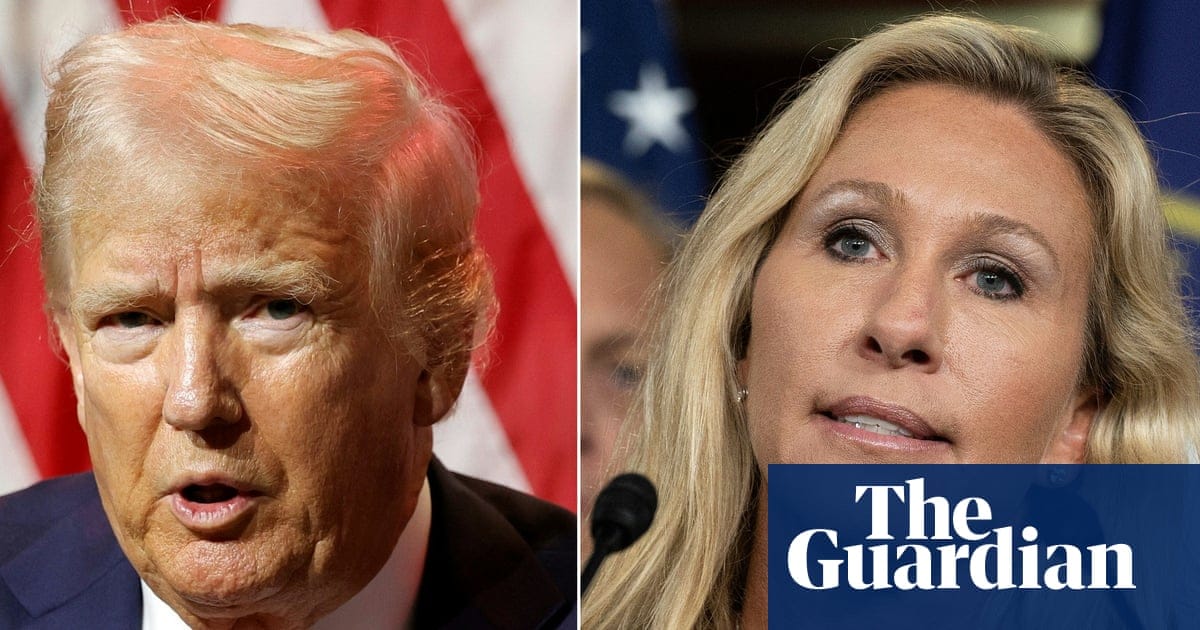
But let’s not get it twisted, her recent public statements—particularly her criticism of Trump for not delivering on campaign promises—are nothing less than a calculated repositioning. This isn’t a sudden fit of conscience. This is the recognition that the transaction, which defined her entire political career, has broken down. For years, Greene’s power came directly from her proximity to Trump, a proximity she cultivated through unwavering, often theatrical, loyalty. Her value proposition was clear: she would be the most extreme, the most vocal, and the most dedicated supporter, and in return, she would receive access, influence, and the protection of the charismatic leader’s base. The moment she criticizes him for ‘not delivering,’ she is essentially saying that the terms of the deal were not met, and therefore, her loyalty is no longer guaranteed forever thing, which is a significant departure from the ‘die-hard’ persona she cultivated for so long.
The Official Lie: A Principled Stand Against Corruption
The narrative being pushed by Greene and her allies is that her resignation is a necessary step to free her from the constraints of Congress. It’s painted as a courageous act of defiance, where she sheds the skin of a compromised institution to become a purer voice for the grassroots movement. This narrative suggests that her decision to criticize Trump is a sign of newfound political independence, a willingness to call out failures on both sides of the aisle. We are supposed to believe that she has seen the light, realizing that the ‘America First’ movement has been co-opted or stalled by the very people who claim to lead it. And this interpretation, while appealing to a specific segment of her base that enjoys anti-establishment rhetoric, ignores the underlying mechanics of power and self-preservation that define political life. The whole damn charade is just a show, always has been, always will be.
The Truth: A Transactional Relationship Gone Sour
Because the logical conclusion, based on her past behavior and a thorough analysis of the political landscape, is that Greene is not taking a stand against corruption; she is taking a calculated exit from a potentially losing bet. The loyalty she offered to Trump was never ideological; it was purely transactional. And when the transaction ceases to provide the desired outcome—in this case, perceived influence and a clear path forward—the loyalty disappears. Her criticism of Trump is a clear sign that she is testing the waters for a future where her brand stands independent of his. By positioning herself as a critic from the right, she attempts to carve out a new niche for herself, perhaps as a future leader of a post-Trump ‘America First’ movement or as a media personality in her own right. This strategy allows her to distance herself from any potential future failures of Trump while maintaining her credentials with the base that still values a hardline approach.
The Republican Hypocrisy: Private Mockery, Public Obedience
And then there’s the truly juicy bit, the part that exposes the entire GOP for what it truly is: a collection of cynical operators who care more about their careers than their alleged principles. Greene’s claim that Republicans in Congress privately mocked Trump, only to fall in line and support him when he won the nomination, is perhaps the most revealing and accurate piece of political analysis to come out of that party in years. This isn’t just gossip; it’s a structural expose of a political party that has completely abandoned its core values in favor of populist expediency. They laughed behind his back, demonstrating that they held genuine contempt for his lack of decorum or his unpredictable policy positions, but when faced with the reality of his political strength, they fell in line like sheep. Because in today’s political environment, courage is a liability and hypocrisy is a prerequisite for survival.
But let’s think about what that means. It means that the support for Trump from the rest of the Republican party isn’t based on shared ideology; it’s based on pure, unadulterated fear of his base. They know that to cross Trump is to risk political annihilation in their home districts and to lose access to the most powerful force in the party. So they make a choice: maintain integrity and lose power, or abandon integrity and maintain their position. The vast majority chose the latter, and Greene, in her typical fashion, simply said the quiet part out loud. And she, in her current position, is now testing whether she can make a living by being the one who exposes that very reality, playing both sides of the populist coin. She’s trying to be both the insider and the outsider simultaneously.
The End of Ideology: The Cult of Personality Wins Again
Because the larger implication here is that the Republican Party, and arguably large parts of the Democratic Party as well, no longer function on ideology. They function on charismatic authority, which is a concept political scientists have studied for decades. The principles of traditional conservatism—fiscal responsibility, limited government, and a strong national defense—have been replaced by a loyalty test to a personality. The party has become a vehicle for a single individual, and all other considerations are secondary. When a politician like Greene challenges that structure, they aren’t challenging policy; they are challenging the very foundations of the cult of personality itself. And that’s dangerous territory, especially for someone who built her entire platform on being the most devout follower. It’s like challenging the high priest while still claiming to believe in the god he serves. It’s complicated, messy, and likely to fail spectacularly in the short term, but perhaps it’s a play for long-term power.
Future Predictions: The Unfolding of a New Power Dynamic
And what does this mean for the future of Greene? She is now in a precarious position. By announcing her resignation and criticizing Trump, she has simultaneously alienated herself from the establishment GOP—which already disliked her antics—and potentially from the core Trump loyalists who view any criticism of the leader as treason. However, this move also positions her to become a new type of political entrepreneur, someone who can speak directly to the ‘America First’ base without having to adhere to the rigid structure of a party that she claims is compromised. She could very well be laying the groundwork for a future where she, or others like her, become a third-party option, or perhaps a leader of a completely different movement that bypasses the traditional GOP structure altogether. The fact that she is willing to take this risk suggests a level of confidence in her personal brand that transcends her loyalty to any single figure, including Trump himself. She’s playing a different game now, and the rest of the political establishment hasn’t quite figured out the rules yet. She sees an opportunity where others see only defeat.
The Specter of Fragmentation and the Breakdown of Party Lines
Because ultimately, Greene’s resignation isn’t just about her; it’s about the continued fragmentation of American political identity. We are moving further away from a two-party system where ideological differences are debated on policy, and closer to a system where personal brands and populist movements dominate the landscape. The revelation of private mockery and public obedience confirms that the traditional party structure has no real power; it merely serves as a vessel for whatever personality can capture the most public attention. Greene’s defiance and subsequent exit are just one symptom of this larger trend, a trend that suggests a future where political loyalty is far more fluid and where politicians prioritize personal branding over party discipline. And if you think this is unique to the right, you haven’t been paying attention to the progressive wing of the left. It’s happening everywhere, just with different mascots.
But let’s not pretend this is new. The political landscape has always rewarded transactional loyalty. What’s changed is the scale and the speed at which these relationships dissolve. In the age of constant media scrutiny and social media virality, a politician can go from a loyal foot soldier to a defiant renegade in a single interview. Greene’s interview on ‘America First’ and her comments about the Supreme Court are all part of a larger strategy to maintain relevance by staying in the news cycle, regardless of which side she takes. It’s a survival mechanism in a world where attention is the only currency that matters. The whole political system is a game of musical chairs, and Greene just decided to stand up and walk away from a chair she knew was about to be pulled out of the game.
And so, while many will focus on the sensationalism of her statements, the true lesson here is far more mundane and far more chilling. It’s a simple lesson in power dynamics: when the value of a transaction diminishes, loyalty evaporates. Greene’s departure and subsequent criticism of Trump aren’t a sign of principle; they are a sign that she’s looking for a better deal, a better platform, and a better opportunity to secure her own political future. And that, in a nutshell, is the real story behind the headlines.