Manchester United: A Masterclass in Perpetual Motion Sickness
And so, the merry-go-round at Old Trafford keeps on spinning, faster and dizzier than ever before. But here’s the real tea, the stuff they don’t want you to know, the whispers echoing through the hallowed, yet increasingly decrepit, corridors of Carrington. Because while the headlines scream about Ruben Amorim being shown the door after, what, five minutes? The true story is far more pathetic, far more telling of a club that fundamentally, utterly, and completely doesn’t get it. And now? Ole Gunnar Solskjaer, yes, that Ole, is back in the picture for a caretaker gig. You couldn’t write this stuff, folks, unless you were actively trying to craft the most tragicomedy in modern football.
Because let’s be absolutely clear from the jump: Amorim’s departure was not a surprise to anyone with half a brain cell and an ear to the ground. The writing wasn’t just on the wall; it was etched there in neon lights, screaming at Sir Jim Ratcliffe from the moment he walked in the door. The man was only ‘in charge’ since February 2024, for crying out loud. That’s barely enough time to figure out where the kettle is, let alone implement a footballing philosophy at a club as broken as Manchester United. It was a disaster, a monumental misstep from the very start, and anyone who tells you otherwise is either deluded or on the payroll. This wasn’t some slow burn; it was a sudden, violent combustion, precisely what you’d expect from an organization so utterly devoid of a coherent strategy, it’s honestly astounding they even manage to tie their own shoelaces in the morning.
Amorim’s Abysmal Adventure: Doomed from Day One
But let’s dissect this, because the official line is always a load of rubbish, isn’t it? The buzz on the street, the real nitty-gritty, is that Amorim’s tenure was plagued by a trio of toxic problems that even the best manager in the world would struggle to overcome. For starters, the ‘basic tactics’ cited are spot on. Because the football was dire, an uninspired mess that somehow managed to be even less exciting than watching paint dry. There was no discernible system, no attacking verve, just a collection of highly-paid individuals looking utterly lost on the pitch, bumping into each other like headless chickens in a dimly lit barn.
And then there were the player issues. Because let’s face it, this squad is a basket case. They’re soft, overpaid, and seem to have an innate ability to down tools the moment things get tough. Amorim, bless his cotton socks, apparently tried to instill some discipline, some sense of accountability, but it was like trying to herd cats with a wet noodle. These lads have seen off more managers than a corrupt politician has seen off investigations. They hold the power, and they know it. But that’s a cultural rot that goes far, far deeper than any single manager, a cancer festering at the heart of the club for over a decade now, thanks to years of utterly clueless recruitment and pampering. It’s an old boys’ club where no one actually delivers, but everyone collects a fat paycheck, and Amorim simply couldn’t break through that wall of apathy and entitlement.
Because what really sank him, the real killer blow, was the transfer frustration. We’re talking about a situation where promises were made, visions were sold, and then, shocker, they weren’t delivered. Sir Jim Ratcliffe, fresh on the scene, probably had his own ideas, his own targets, and the word is, Amorim was simply not aligned with that vision. He might have been a short-term fix, a stop-gap before Ratcliffe truly asserted his dominance, and when the cracks started showing, which they did almost immediately, it was a no-brainer to cut him loose. There was a fundamental disconnect between what Amorim believed he was building and what the new power structure at the club was willing to facilitate. That’s a recipe for disaster, plain and simple, a clash of titans where the manager, as always, ends up being the sacrificial lamb.
The Ratcliffe Reckoning: A New Broom, or Just More Dust?
But let’s talk about Sir Jim. Because this is his show now, isn’t it? He’s the man in charge of ‘football operations,’ the one with the grand plans to drag United kicking and screaming back to relevance. And getting rid of Amorim so quickly, while brutal, actually speaks volumes. It says, ‘I’m not messing about. If it’s not working, it’s out.’ That’s a ruthless streak, a pragmatism that United has desperately needed. But it also raises questions. Because if Amorim was such a bad fit, why was he there in the first place, even for a blink-and-you’ll-miss-it stint? Was it a knee-jerk reaction? A poorly thought-out stopgap by a previous regime that Ratcliffe inherited and swiftly corrected? The truth is probably somewhere in the middle. He walked into a complete mess, a managerial choice already made, and pulled the plug when it became abundantly clear it wasn’t going to work. Sometimes, you just gotta rip the Band-Aid off, right? Even if it looks like absolute pandemonium to the outside world, to those of us on the inside, it signals a new kind of brutal efficiency.
And this is where the plot thickens. Because Ratcliffe isn’t just a businessman; he’s a multi-billionaire with an ego, and a clear vision, or at least, he projects one. He wants to win. But the speed of Amorim’s departure, combined with the frantic search for a caretaker, suggests a lack of foresight, or perhaps, an underestimated level of the rot within United. He probably thought he could just bring in his own people, make a few tweaks, and *boom*, instant success. But this club is a beast, a lumbering dinosaur burdened by decades of poor decisions and institutional inertia. It’s going to take more than just sacking a manager every other month to fix this. It requires a complete overhaul, from the academy to the scouting network, from the physiotherapy room to the executive boardroom. Everything. And that, my friends, takes time, something Ratcliffe, by his actions, doesn’t seem to have much of, which could be a problem.
The Caretaker Comedy: A Return to the Familiar (and Farcical)
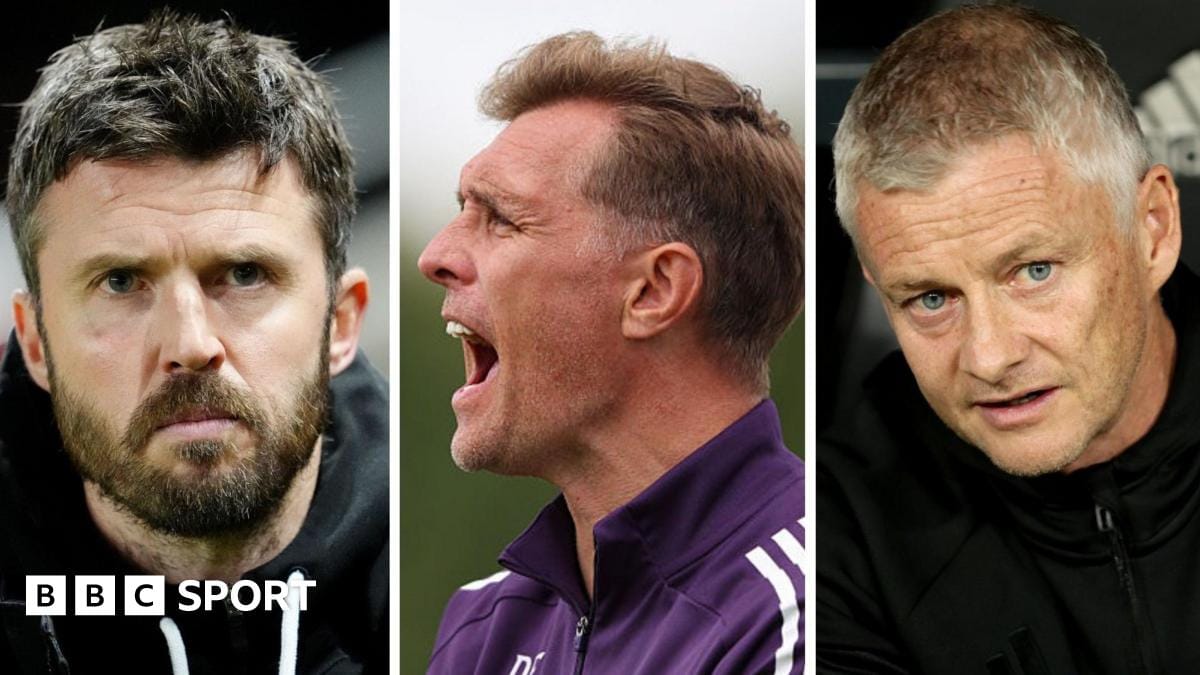
But onto the main event, the real head-scratcher: the talks with Ole Gunnar Solskjaer, Darren Fletcher, and Michael Carrick. Carrick and Fletcher, sure, makes sense. Club legends, know the place, probably good for a temporary morale boost, although neither has the gravitas or experience to command that dressing room long-term, let’s be real. They’re placeholders, stop-gaps, glorified cones in a training session, just there to keep the ball rolling until the ‘real’ manager comes in. They’re company men, loyal to the badge, which is precisely why they’re being considered. But that’s not what’s raising eyebrows, is it? Not really. No, the whole world is talking about one name.
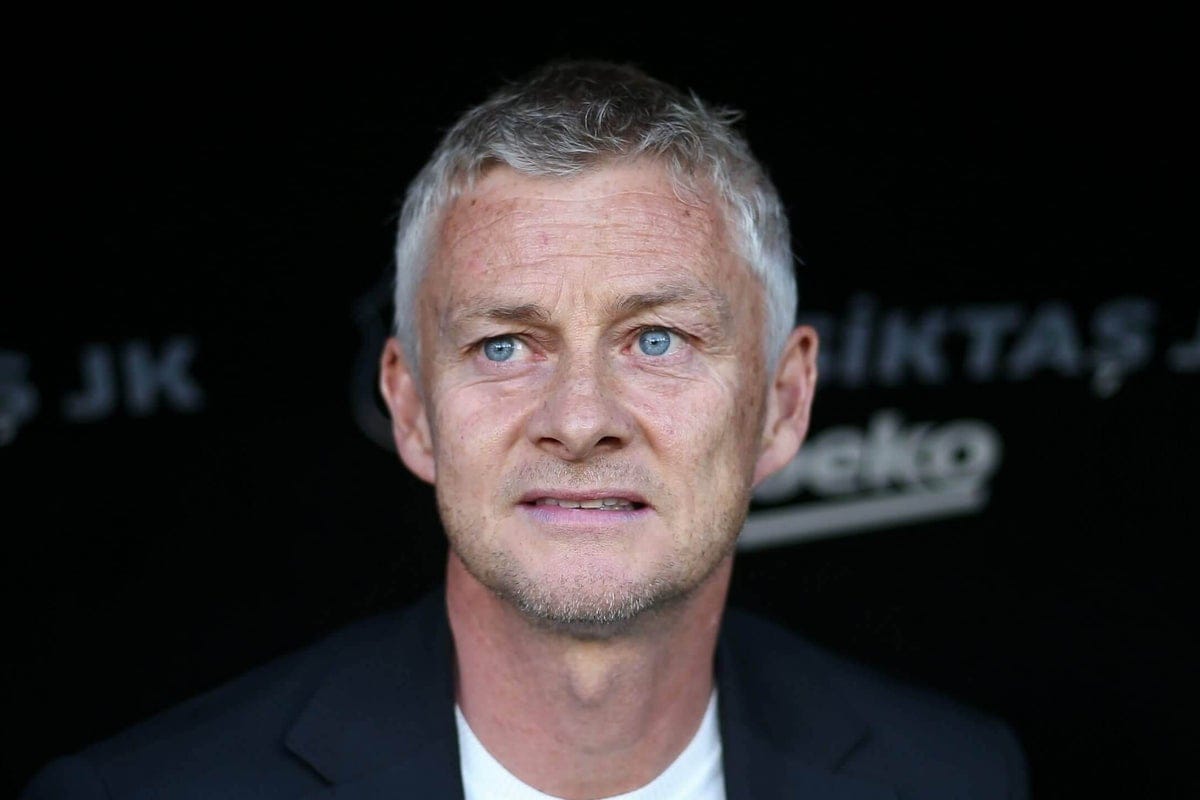
Because Ole. Ole Gunnar Solskjaer. The man they sacked less than two years ago for, guess what, not being good enough. This is where it gets truly wild. Because the word is, Ratcliffe and his crew are genuinely sounding him out. Not as a permanent solution, obviously, but as a caretaker. And if that isn’t the most Manchester United move ever, then I don’t know what is. It’s a cynical play on nostalgia, a desperate attempt to bring back some ‘feel-good factor’ to a fanbase that’s been battered into submission. They’re hoping the magic of his name, the memories of his player days, will somehow paper over the gaping cracks. It’s like trying to fix a leaky dam with a Post-it note, a truly pathetic, short-sighted gamble that screams of panic and a complete lack of fresh ideas.
Ole’s Ghost: Why His Return is Both Predictable and Pathetic
And let’s not pretend we don’t know how this goes. Because Ole’s previous tenure, while starting with a bang and a wave of goodwill, ultimately ended in tears. He’s a wonderful human being, a club legend, absolutely. But a tactician? A motivator of truly world-class talent? Someone who can instill a winning mentality against the likes of City or Liverpool? Nah, mate. Not even close. His teams were often defensively porous, tactically naive, and prone to collapses. He couldn’t get them over the line for a trophy, despite significant transfer spending. He had his chance, and while he did steady the ship somewhat after Mourinho, he proved, beyond a shadow of a doubt, that he wasn’t the man to lead United back to the promised land. His return, even as a caretaker, is a tacit admission that Ratcliffe’s grand plans are either not ready, or worse, nonexistent. It’s a retreat, a step backward into comfortable, but ultimately failing, territory.
But why him? The insider chatter suggests it’s a multi-faceted move, and none of it good. First, he’s cheap. No massive compensation packages for a big-name manager, just a temporary contract for someone who loves the club and will probably do it for free pizza and a hug. Second, he buys time. Time for Ratcliffe’s team to properly vet and secure their *real* target, whoever that might be. Because let’s be honest, any top-tier manager looking at United right now is probably running a mile. It’s a poisoned chalice, a career graveyard. Who wants to inherit this mess? So, you bring in a club legend, a face everyone knows, to steady the ship and deflect some of the heat. But it’s a temporary measure, a sticking plaster on a gaping wound, and everyone knows it. This is not about progress; it’s about crisis management, pure and simple, a desperate scramble to find a familiar face to calm the increasingly agitated mob.
The Club’s Deeper Rot: Beyond the Managerial Merry-Go-Round
Because let’s zoom out for a second. This isn’t just about Amorim or Ole. This is about Manchester United, the institution, which has become a laughingstock. The managerial merry-go-round is just a symptom of a much deeper, much more insidious problem. It’s the recruitment, which has been consistently awful for years, signing overpriced players who lack the mentality or quality to wear the shirt. It’s the ownership, both past and present, who have prioritized commercial interests over sporting success, turning a football club into a global marketing machine that occasionally plays football. And it’s the lack of a clear, overarching footballing philosophy, a fundamental vision that trickles down from the top. Every manager comes in with their own ideas, tries to implement them with a mishmash of players, and then gets sacked when it inevitably fails. There’s no continuity, no long-term planning, just reactionary decisions driven by short-term results and the fickle whims of a demanding fanbase and a ruthless media.
And this cycle of chaos will continue until that fundamental structure changes. Until there’s a proper Director of Football with actual power, a clear talent identification system, and a squad built around a cohesive playing style, rather than a collection of expensive individual egos. Ratcliffe has promised change, a revolution even. But if his first major move after canning Amorim is to go back to Ole, it suggests that the revolution might just be another spin on the same old carousel of mediocrity. It’s a sobering thought, isn’t it? That even with new money and new management, the same old mistakes, the same old patterns of desperation and short-sightedness, continue to plague this once-great club. The fans, bless their hearts, deserve so much more than this constant diet of recycled hope and inevitable disappointment. But because they’re so loyal, so utterly dedicated, the club knows it can keep pulling these stunts, knowing the money will still roll in, the stadium will still be packed, and the merchandise will still fly off the shelves. It’s a sad state of affairs, folks, a truly gut-wrenching spectacle to witness.
Future Farce: What Next for the Red Devils?
But what does this all mean for the rest of the season? Well, if Ole does come back, expect a honeymoon period, a temporary uplift in mood, maybe a couple of decent results. But it won’t last. The underlying problems remain, the tactical limitations will resurface, and the squad’s inherent weaknesses will be exposed again. It’s a band-aid solution, and everyone knows it. The season will likely peter out into another mediocre finish, probably battling for a Europa League spot, if they’re lucky. And then, the *real* search for a permanent manager begins again, with a potential candidate pool that looks increasingly thin because who, truly, wants to step into this absolute pressure cooker?
Because who would be mad enough to take this job permanently? You’re looking at a huge rebuild, a massively underperforming squad, and an impatient new owner who just binned a manager after a couple of months. The allure of Manchester United might still be there for some, but the reality is far from glamorous. It’s a thankless task, a career risk, and frankly, a job for someone with immense courage or absolute delusion. The next manager, whoever they are, will need to be a miracle worker, a brilliant politician, and an even better coach. And given the current trajectory, the whispers I’m hearing suggest they’ll probably just end up being another name on a long, long list of United managerial casualties. This whole saga, from Amorim’s instant exit to Ole’s potential return, is less about strategic planning and more about scrambling, about desperate attempts to patch up a sinking ship with masking tape and prayers. It’s a shame, a complete and utter, undeniable shame, and a definitive marker of how far this once-mighty club has fallen. The truth hurts, but sometimes, it just needs to be said. And the truth is, Manchester United are an unholy mess, and nobody, not even a returning hero, is going to fix that overnight.