The Great Manchester United Coaching Circus Rolls On: Amorim Becomes Latest Casualty
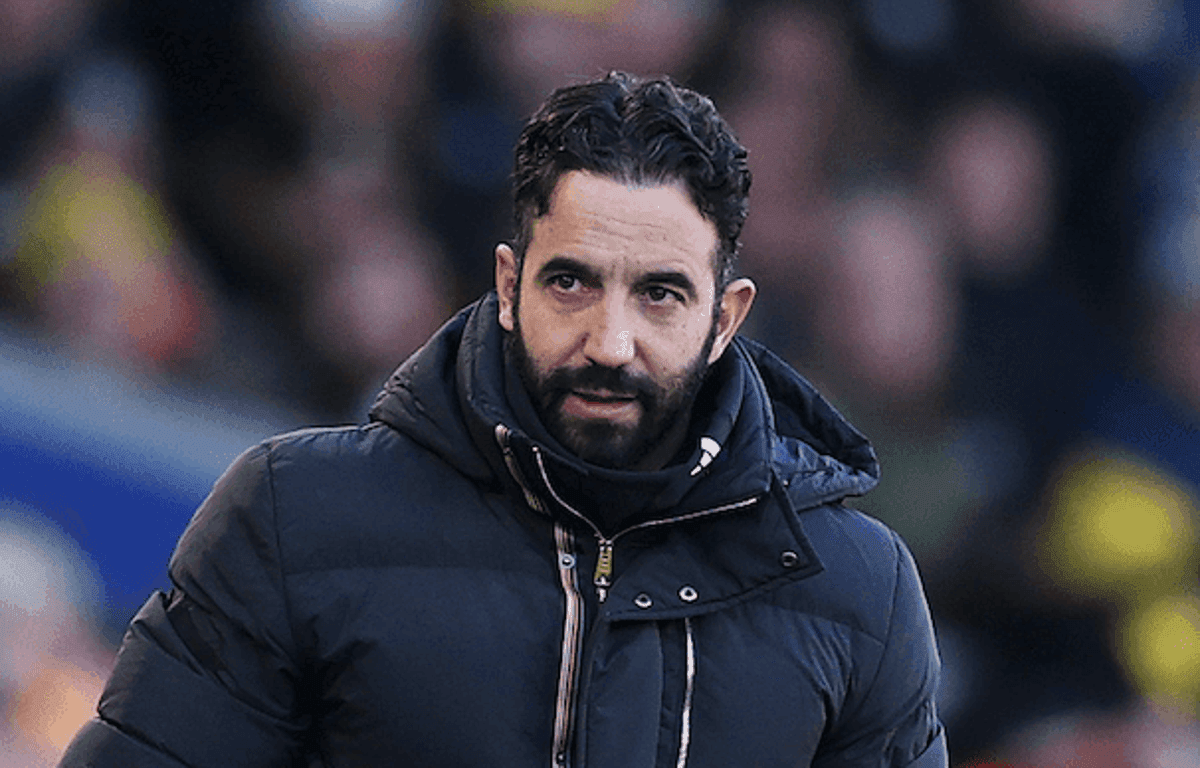
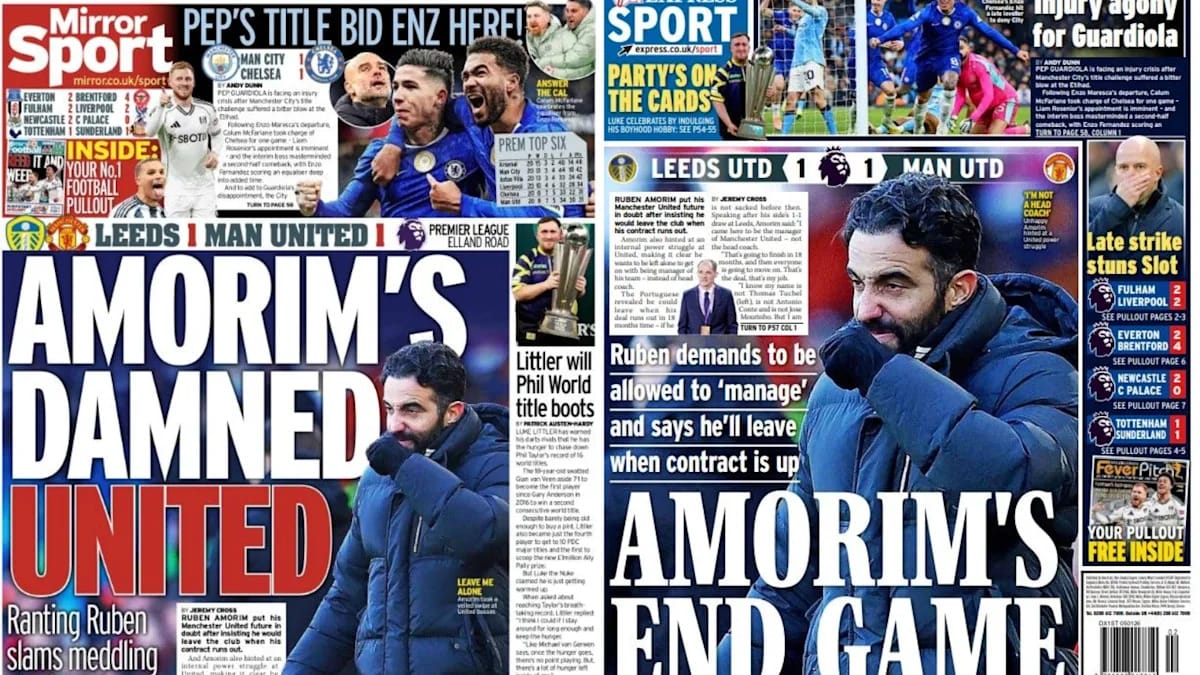
So, Ruben Amorim, the supposed savior from the sunny climes of Portugal, has been shown the Old Trafford door after a mere 14 months. One year and two months! That’s barely enough time to figure out the proper cadence for the canteen breakfast order, let alone fix a rotting infrastructure built on years of hubris and dodgy American ownership. The 1-1 snore-fest against Leeds United—a team that probably needed that point more than United needed another managerial headache—was apparently the final straw that broke the camel’s back, or perhaps, the final pebble kicked down the endless hallway of managerial failure at that club. (It’s a disaster, folks, an absolute carnival of ineptitude.)
The Audacity of Saying You’re the Manager, Not Just the Coach
Let’s rewind to the comments that probably put the final nail in his coffin faster than any tactical blunder: “I’m the manager of Manchester United, not just the coach.” Oh, Ruben, you sweet, naive fool. Did you genuinely think you walked into a functional European superpower? You walked into a decaying fortress guarded by specters of past glories, overseen by owners whose primary concern seems to be ensuring the dividend checks clear before they remember they actually own a football club. That statement wasn’t a sign of leadership; it was a public admission that you hadn’t grasped the fundamental, unwritten rule of the post-Ferguson era: At Old Trafford, nobody is the manager. They are temporary custodians, glorified babysitters waiting for the inevitable phone call telling them which flavor of expensive flop they need to sign next. (It’s a joke, a terrible, expensive joke played on the global fanbase.)
When Amorim made that boast, he was essentially challenging the Glazer hierarchy—or whoever is pulling the strings from Tampa, Florida, perhaps while wearing a slightly stained fishing hat—to let him work without interference. Interference? My friend, interference isn’t the occasional phone call; interference is the very *air* you breathe at that club! It’s the structural DNA of ownership that values brand management over tactical coherence. He should have known better. Asking for autonomy at United is like asking a politician to tell the absolute, unvarnished truth; it simply doesn’t happen.
The 14-Month Curse and the Tyranny of Expectations
Fourteen months. That’s how long it takes for the initial honeymoon glow to fade and the cold, hard reality of managing United to set in. Look at the parade of poor souls who have walked through that revolving door: Mourinho, who won silverware and still got sacked; Solskjaer, the club legend who got the job based on sentimentality and ultimately couldn’t hack the tactical grind; Rangnick, the supposed ‘football genius’ who couldn’t manage his way out of a paper bag when asked to coach actual human beings instead of organizing spreadsheets. And now Amorim. He was supposed to be the new, cool, progressive option, bringing that lovely Sporting CP DNA. (Spoiler alert: DNA doesn’t survive the Manchester air pollution, apparently.)
What truly doomed him? The constant need to ‘manage the noise.’ The media cycle in Manchester is brutal, a relentless, churning engine of speculation powered by bored pundits and agenda-driven journalists. If you aren’t consistently delivering 3-0 victories against teams that United *should* beat, the whispers start. Then the whispers become shouts, and the shouts become fan protests that are more organized than the actual recruitment department. Amorim was reportedly making ‘outbursts,’ which, translated from bureaucratic football speak, means he was finally realizing the emperor had no clothes and wasn’t afraid to say it to the wrong people in the executive box. (Good for him, but bad for job security.)
The Glazer Effect: Perpetual Instability as a Business Model
We have to talk about the ownership, because this isn’t about Amorim; this is about the systemic failure above him. The Glazers have perfected the art of extraction. They run the club like a deeply indebted corporation that needs constant high-profile managerial churn to distract the shareholders (us, the fans) from the actual balance sheet hemorrhage and the decaying stadium infrastructure. Every time a manager fails, they get to trot out the line: ‘We are investing heavily, but clearly, the previous appointment wasn’t the right fit.’ It’s a masterclass in deflection. (They should win an award for corporate shell games, not trophies.)
Think about what this instability does to recruitment. Which top-tier player looks at Manchester United right now and thinks, ‘Yes, I want to sign up for this four-year drama where the manager is fired halfway through my contract’? It screams risk. It screams chaos. It means United has to pay a premium—a massive, unnecessary wage premium—to convince anyone to come and play under a regime where the structure guarantees they will be judged by short-term results that are fundamentally impossible to achieve without structural backing.
Looking Down the Barrel: Who’s Next in the Firing Line?
This sacking is not an endpoint; it’s merely Act III of the current managerial tragedy. The immediate focus shifts to the next poor soul who will inherit this poisoned chalice. Who do they turn to now? Do they panic and go for another recognizable, slightly aging big name who promises instant (but probably fleeting) success? Or do they try to cling to the ‘sporting director’ model that clearly hasn’t worked since its inception? (My money is on panic. United loves panic; it generates headlines.)
The immediate appointment will likely be another placeholder, a ‘safe pair of hands’ who can keep them mathematically in the European hunt until the summer. But the summer rebuild? That’s where the true farce begins. Will they actually hire someone who aligns with a long-term vision, or will they let the same voices, the same advisors who steered them toward Amorim, pick the next victim? The cycle dictates that the next manager will inherit a squad that is a patchwork quilt of philosophies—one player signed by Mourinho, another by Ole, and a few scraps left by Amorim—and they will be expected to fuse it into a winning machine overnight. It’s like asking a chef to make Michelin-star sushi using ingredients from three different grocery stores bought on three different days, while the plumbing is actively leaking sewage onto the counter.
The Tactical Vacuum Left Behind
What was Amorim *supposed* to bring? Structure. Pressing intensity. A clear, modern tactical identity that mirrors the elite clubs in Europe. He had pedigree at Sporting, molding young talent into cohesive units that actually executed a clear plan. But at United, he was hamstrung by personnel issues, yes, but also by the resistance to change ingrained in the existing squad structure. You can’t impose a high-intensity press when half your midfield prefers to walk around admiring the grass, and the defense believes organization is achieved by standing close to the goalkeeper. (They looked lost most weeks, truth be told.)
His ‘outbursts’ weren’t just about hierarchy; they were likely about being unable to implement the very philosophy he was hired for. When a manager constantly has to compromise his vision to accommodate underperforming veterans or mismatched signings, the result is mediocrity. And at United, mediocrity is a firing offense faster than outright failure. Failure is expected; mediocrity is an insult to the brand.
The Historical Echo Chamber
This sacking reaffirms a painful truth for the United faithful: the club has fundamentally forgotten how to manage success. They think success is hiring a charismatic figurehead. Success is actually building an operational structure that allows the football department to function without interference from the boardroom accountants. They are still trying to replicate the Sir Alex Ferguson era, but they misunderstand what that era actually was. It wasn’t just a genius manager; it was a symbiotic relationship where the manager had ultimate, unchallengeable control over the footballing sphere. The Glazers offered Amorim a leash, then constantly adjusted its length based on the stock price and the mood of the Sky Sports pundits. (They’ll never learn, bless their hearts.)
This is where the Provocative Analyst steps in: Amorim was too honest, too direct for a club drowning in soft diplomacy and carefully managed PR spin. He called out the cancer, and the cancer, being self-preserving, caused the body to reject the surgeon. It’s tragic, but utterly predictable behavior from a management structure terrified of accountability. They fired the man who pointed at the leak rather than fixing the burst pipe. It’s pure farce, played out on the biggest stage.
The Long Shadow of Waiting for the Summer
The immediate future is grim. We are now heading into another chaotic summer where the ‘new’ manager—whoever that ends up being—will be parachuted in mid-May, given a war chest (which will be spent on two players who are vastly overpriced because United are desperate), and expected to challenge for the title by September. It won’t happen. This club is structurally incapable of linear progression right now. It requires a total teardown, a complete severing of the ties to the current ownership ethos, and a complete realignment of sporting director power versus ownership meddling. Until that happens, every managerial appointment is just filler content for the next season’s documentary about ‘What Went Wrong.’ (And trust me, there will be many documentaries.)
So, farewell, Ruben Amorim. You lasted almost as long as some of their transfer windows. Your greatest mistake wasn’t your tactics; it was believing that at Manchester United, competence trumps chaos. It simply doesn’t. Chaos sells shirts.