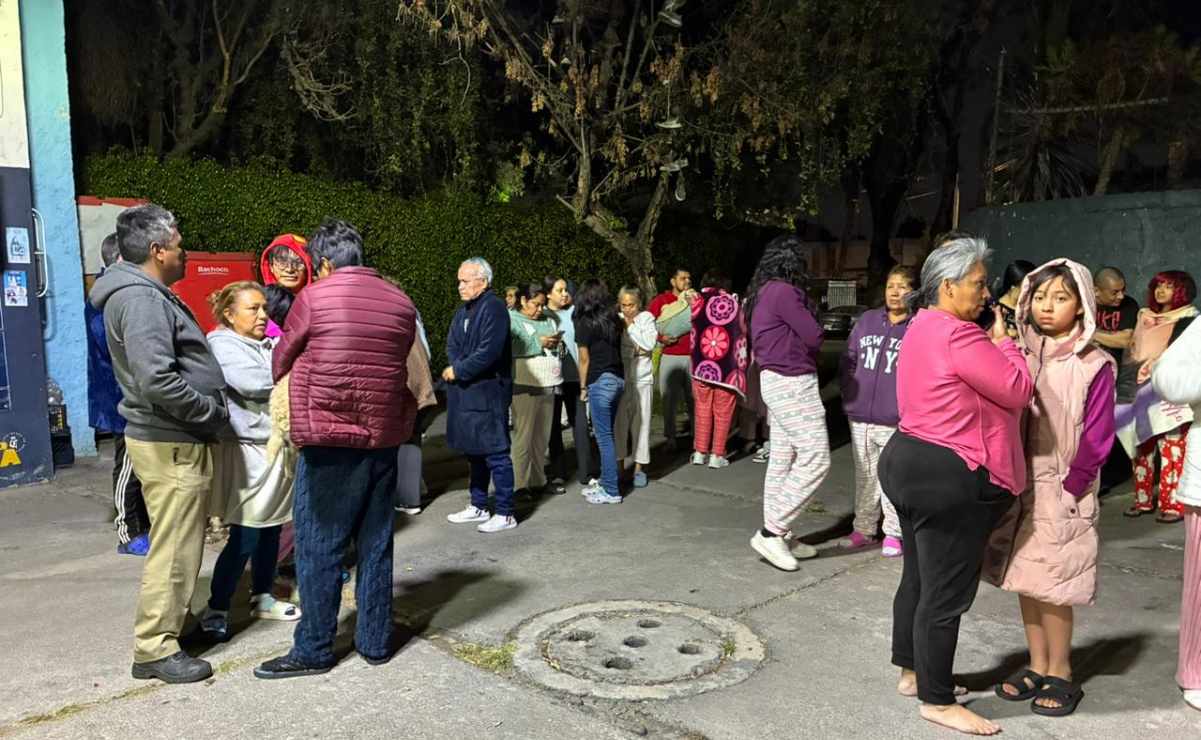
Earthquake Shakes Central Mexico
A significant earthquake, preliminarily registered at a magnitude of 5.2, jolted central Mexico in the early hours of Friday, January 16th. The tremor was widely felt, activating seismic alerts in various parts of the country, including the capital, Mexico City.
The epicenter was located 19 kilometers (approximately 12 miles) southwest of San Marcos, Guerrero. The earthquake occurred at 00:42 local time, disturbing the sleep of many residents across several states.
Immediate Response and Damage Assessment
Following the quake, seismic alerts sounded across Mexico City, prompting immediate attention. Despite the noticeable shaking, initial reports from authorities indicate that no major structural damage has been reported in the affected areas.
Mexico City Mayor Claudia Sheinbaum confirmed that preliminary assessments showed no significant damage within the capital. State Civil Protection authorities in Morelos also reported on the quake, indicating their assessment of the situation in their region.
Why This Matters: Mexico’s Seismic Vulnerability
Mexico is situated in one of the most seismically active regions in the world, lying on the Pacific Ring of Fire. The country’s geological position makes it highly susceptible to earthquakes, a reality that has shaped its infrastructure, building codes, and public preparedness strategies.
The frequent seismic activity serves as a constant reminder of the earth’s dynamic forces and the importance of robust disaster preparedness. Understanding the frequency and potential magnitude of these events is crucial for national safety and resilience.
Geological Context of the Guerrero Region
The state of Guerrero, where the epicenter was located, is part of the subduction zone where the Cocos Plate is sliding beneath the North American Plate. This tectonic setting is responsible for generating some of Mexico’s most powerful earthquakes.
The Pacific coast of Mexico, particularly the segment off the coast of Guerrero, is known for producing large earthquakes. This geological context underscores why an event originating here can be felt across a wide area, including inland regions like Mexico City.
The Role of Early Warning Systems
The activation of the seismic alert system, both through public loudspeakers in Mexico City and on mobile devices, highlights the critical role of early warning technology. These systems provide precious seconds or even minutes of advance notice, allowing people to take protective actions.
Such systems are indispensable in a country with high seismic risk. They have been instrumental in mitigating potential casualties and reducing the impact of earthquakes, underscoring the ongoing investment in and reliance on technological solutions for disaster management.
Broader Trends: Preparedness and Resilience
The occurrence of this earthquake, while not catastrophic, fits into a broader trend of seismic activity in the region. It serves as a timely reminder for continuous evaluation and enhancement of earthquake preparedness measures across all levels of government and society.
Mexico has made significant strides in earthquake preparedness and response since the devastating 1985 earthquake. This includes updated building codes, widespread public education campaigns, and sophisticated early warning systems. Each seismic event, regardless of its magnitude, offers an opportunity to test and refine these measures.
Looking Ahead: Continued Vigilance
While the immediate concern following this tremor has subsided due to the lack of reported damage, the event reinforces the need for ongoing vigilance. Residents in seismically active zones are accustomed to such occurrences, but maintaining a proactive approach to safety remains paramount.
Future efforts will likely focus on reinforcing infrastructure, further developing early warning technologies, and continuing public education to ensure the highest level of preparedness for inevitable seismic events. The resilience demonstrated by Mexico in the face of its geological reality continues to be a key factor in its ability to manage seismic risks.