The Anatomy of a Near-Miss: The Strategic Fragility of Emily in Paris
There’s a prevailing myth in pop culture that success stories are born from serendipitous accidents; a ‘right place, right time’ convergence of talent and opportunity that simply couldn’t have been planned. But for any cold strategist looking at the streaming market, this narrative is pure fiction, designed to conceal the brutal calculation behind every major production decision. The very existence of a show like Emily in Paris, a product perfectly engineered to hit a specific demographic and generate maximum social media engagement, is a testament to calculated risk, and nothing highlights the fragility of this strategy more than the near-miss surrounding Lucas Bravo.
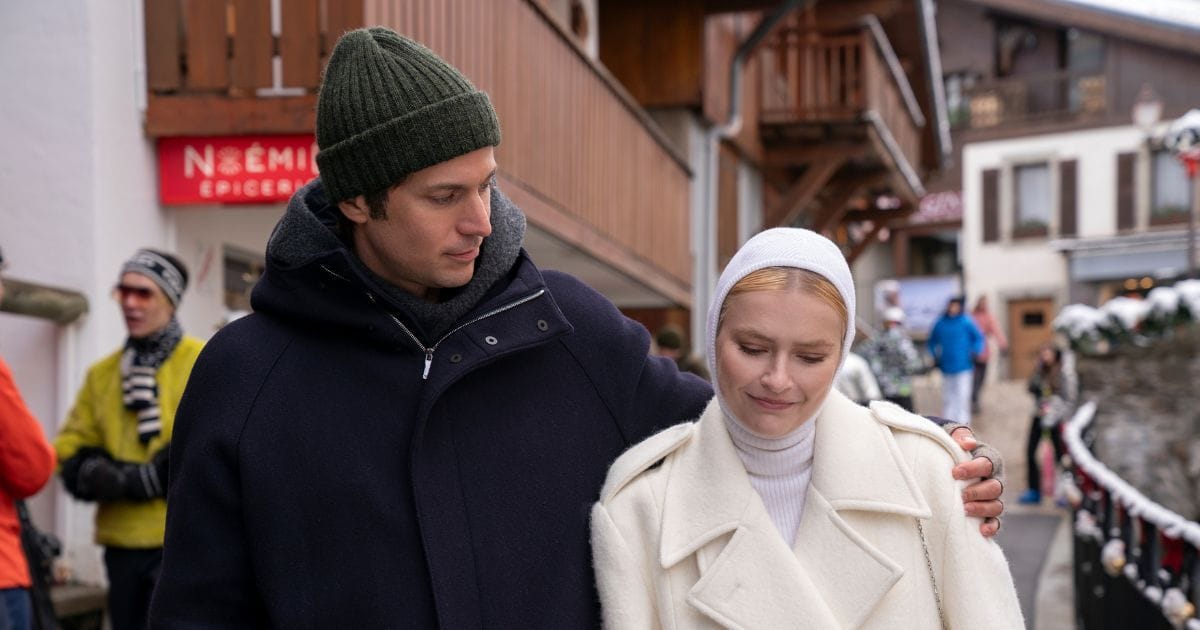
The core conflict in Emily in Paris, the central pillar holding together its saccharine aesthetic and often superficial plot, is not the cultural clash between American and French sensibilities. It isn’t even the fashion choices or the relentless, almost cartoonish portrayal of Paris. The show’s central, non-negotiable asset is the romantic triangle, specifically the character of Gabriel, and the chemistry he shares with the protagonist. If you remove this central dynamic—or even slightly alter its composition—the entire structure collapses into a pile of pretty but ultimately unengaging set dressing. The production’s very public disclosure that Bravo almost wasn’t cast is less a heartwarming anecdote and more a stark admission of how close the whole venture came to complete strategic failure. A different actor, even one equally physically attractive, might have possessed different sensibilities, different chemistry, or a slightly different interpretation of the role, potentially altering the audience’s emotional investment in the central conflict. The show’s entire product-market fit relies on the audience’s willingness to invest heavily in the ‘will they/won’t they’ dynamic, and that specific dynamic is utterly dependent on the specific emotional resonance between Lily Collins and Bravo.
Consider the broader context: Emily in Paris was not conceived in a vacuum. It emerged from the proven formula of Darren Star, the mastermind behind Sex and the City and Younger. Star understands better than almost anyone in Hollywood that the key performance indicator (KPI) for a rom-com series is not critical acclaim, but rather the creation of a ‘swoon-worthy’ archetype that functions as an audience proxy for desire. Mr. Big in Sex and the City wasn’t just a character; he was the central tension, the strategic pivot point for Carrie’s narrative arc. Similarly, Gabriel isn’t just a French chef; he is the embodiment of the Parisian fantasy, the unattainable romantic interest that keeps viewers coming back for more, season after season, to see if the central couple will finally resolve their tension. The show functions as a high-concept escapist fantasy, and the near-miss with Bravo suggests that the producers were struggling to find the exact actor who could fulfill this highly specific, strategically defined role. It’s a miracle they landed on him, because the show’s success is entirely predicated on his ability to execute this precise romantic function. If the show’s algorithm had failed to identify the correct human variable, the entire multi-million dollar investment might have tanked.
The Butterfly Effect of Casting: When One Actor Changes Everything
To understand the high-stakes gamble of this near-miss, one must look at the historical precedents of casting decisions that have made or broken entire franchises. Think of the near-miss with Harrison Ford for Han Solo; a different actor in that role would have fundamentally changed the tone of the entire Star Wars saga, potentially impacting billions of dollars in subsequent revenue. In the rom-com space, the stakes are equally high, even if the cultural impact is superficially less profound. The decision to cast Bravo in the role of Gabriel was not just about finding an actor; it was about finding an actor who embodied a specific aesthetic and cultural archetype that resonated with international audiences. The show, in essence, is a product of soft power, selling a specific vision of Paris, and Bravo, with his specific blend of charm and vulnerability, was the perfect conduit for this cultural export. Had they chosen a different actor, perhaps one who was perceived as too aggressive, too soft, or too generically handsome, the complex dynamic between Gabriel and Emily, which oscillates between longing glances and exasperating misunderstandings, would not have worked as well. The magic of Emily in Paris lies in its ability to simultaneously frustrate and fulfill the romantic desires of its audience, and Bravo’s performance acts as the fulcrum for this emotional manipulation.
The near-miss demonstrates how close the production came to missing its core audience engagement metric. The show’s success, particularly on Netflix, is driven by high-volume viewing and social media virality. These factors are not accidental; they are designed results of meticulous market research. Bravo’s casting was the linchpin that held this entire strategy together. Without him, the show might have become just another forgettable rom-com, lost in the sea of content that Netflix produces weekly. The near-miss isn’t just a cute story about finding the right actor; it’s a terrifying glimpse into the fragility of modern streaming success. The production team, by all accounts, struggled to find the right person for this role, which suggests a deep-seated vulnerability in their initial casting strategy. This vulnerability highlights the high degree of difficulty involved in creating a global hit, even when following a pre-existing formula. The show needed a specific type of ‘it’ factor, and Bravo happened to possess it. Had they settled for a different actor, one who lacked that specific spark, the entire series might have failed to generate the necessary buzz to justify subsequent seasons. This is less about artistic vision and more about strategic product development, where the actor functions as a key component in a high-risk manufacturing process.
The Future of Rom-Com Casting: Replication and Risk Mitigation
The near-miss with Lucas Bravo serves as a crucial case study for future streaming content development. The central lesson learned by producers and strategists is that while the formula may be replicable, the human element—the specific actor chosen—introduces a massive variable that can either ensure success or guarantee failure. In a world increasingly dominated by algorithms that dictate viewing habits, the physical and charismatic appeal of the lead actors becomes paramount. The audience isn’t just watching a story; they are participating in a fantasy where the lead actor serves as a stand-in for their personal desires. The pressure on casting directors to find actors who can fulfill this specific role is immense, and the Bravo situation reveals just how difficult it is to find someone who fits the precise aesthetic and emotional profile required for global appeal.
Looking forward, we can expect streaming services to double down on risk mitigation by using advanced data analytics to assess potential actors’ appeal to specific demographics. The era of pure artistic intuition in casting is rapidly coming to an end. Instead, we will see a shift toward data-driven casting, where actors’ social media engagement, existing fan bases, and demographic appeal are weighed heavily during the selection process. The near-miss with Bravo suggests that the producers were struggling to find the right human element for their algorithm, but they ultimately succeeded. This success will now serve as a blueprint for future romantic comedies. The new trend will be to find actors who precisely replicate the specific aesthetic and romantic resonance of Bravo, ensuring that the next generation of rom-coms avoids the strategic vulnerability exposed by this near-miss. The core objective is not necessarily to create great art, but to manufacture consistent, repeatable engagement, and the Lucas Bravo saga provides a clear, if unsettling, roadmap for how streaming services looking to dominate the global market.
The lesson here is simple: while we celebrate the show’s success as a charming cultural phenomenon, a cold-eyed strategic review reveals it was a hair’s breadth away from failure. The fact that the entire enterprise hinged on finding one specific person to play a perfectly crafted archetype underscores the strategic risk inherent in high-concept rom-coms. It’s a game of chance, and in this particular instance, they simply got lucky at the last possible second. The future of streaming will see production houses attempting to mitigate this risk through data-driven approaches, ensuring that the next ‘Gabriel’ is found through a more structured process. This near-miss isn’t just a fun fact; it’s a window into the calculated nature of modern entertainment production, where strategic vulnerabilities like this must be addressed to ensure future revenue streams. It’s a sobering reminder that even the most lighthearted entertainment is ultimately a high-stakes business gamble.