The Illusion of Grit: Pat Kelsey’s Hard Hat Performance
Let’s talk about the hard hats. Pat Kelsey, new coach at Louisville, hands them out. It’s a classic, media-friendly move. After a physical loss—the kind that makes fans wince—he pulls out the blue-collar symbolism. It’s supposed to signal a new culture, a rugged commitment to toughness that was clearly lacking in the previous regime. The narrative writes itself: we were soft, but now we work. We put on the hard hats. We go to work. We are going to build this program back brick by brick. It’s a compelling story, a feel-good soundbite for the local news cycle that wants desperately to believe that the glory days are just around the corner. It allows fans to momentarily forget the institutional decay that has plagued the program for nearly a decade. This, right here, is the official story. This is the comfort food for the masses.
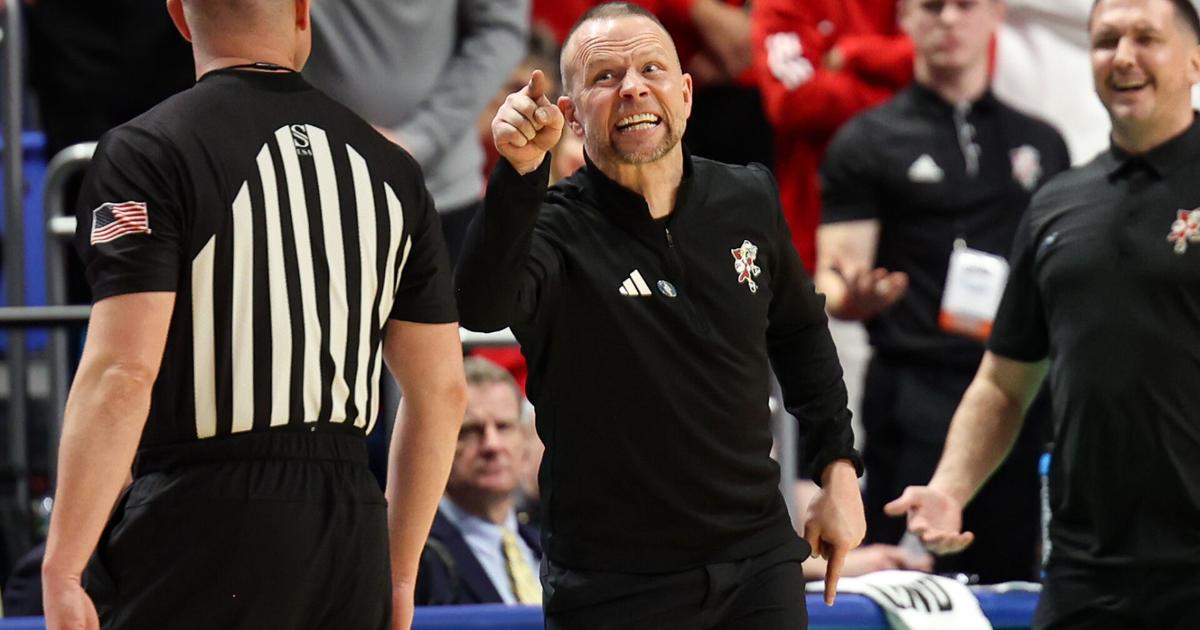
But a cold strategist looks at the same image—the coach, the hard hats, the players—and sees a calculated performance. The hard hats are not a strategy; they are a distraction. They are the veneer of toughness applied to a program that, in reality, is structurally unsound and fundamentally soft, as evidenced by the lopsided loss to Tennessee. The initial loss to Arkansas, in Kelsey’s own words, was physical. But the subsequent loss to Tennessee, a game meant to be a measuring stick, demonstrated that the hard hats were nothing more than a symbolic gesture, a substitute for actual preparation and tactical acumen. When a team gets physically dominated not once, but repeatedly, by a quality opponent, you have to question whether the issue is a lack of willingness to work (which the hard hats supposedly address) or a lack of ability to compete at an elite level. The answer, in this case, is likely both, and a hard hat doesn’t solve either problem.
The Cold Calculus of Culture Building
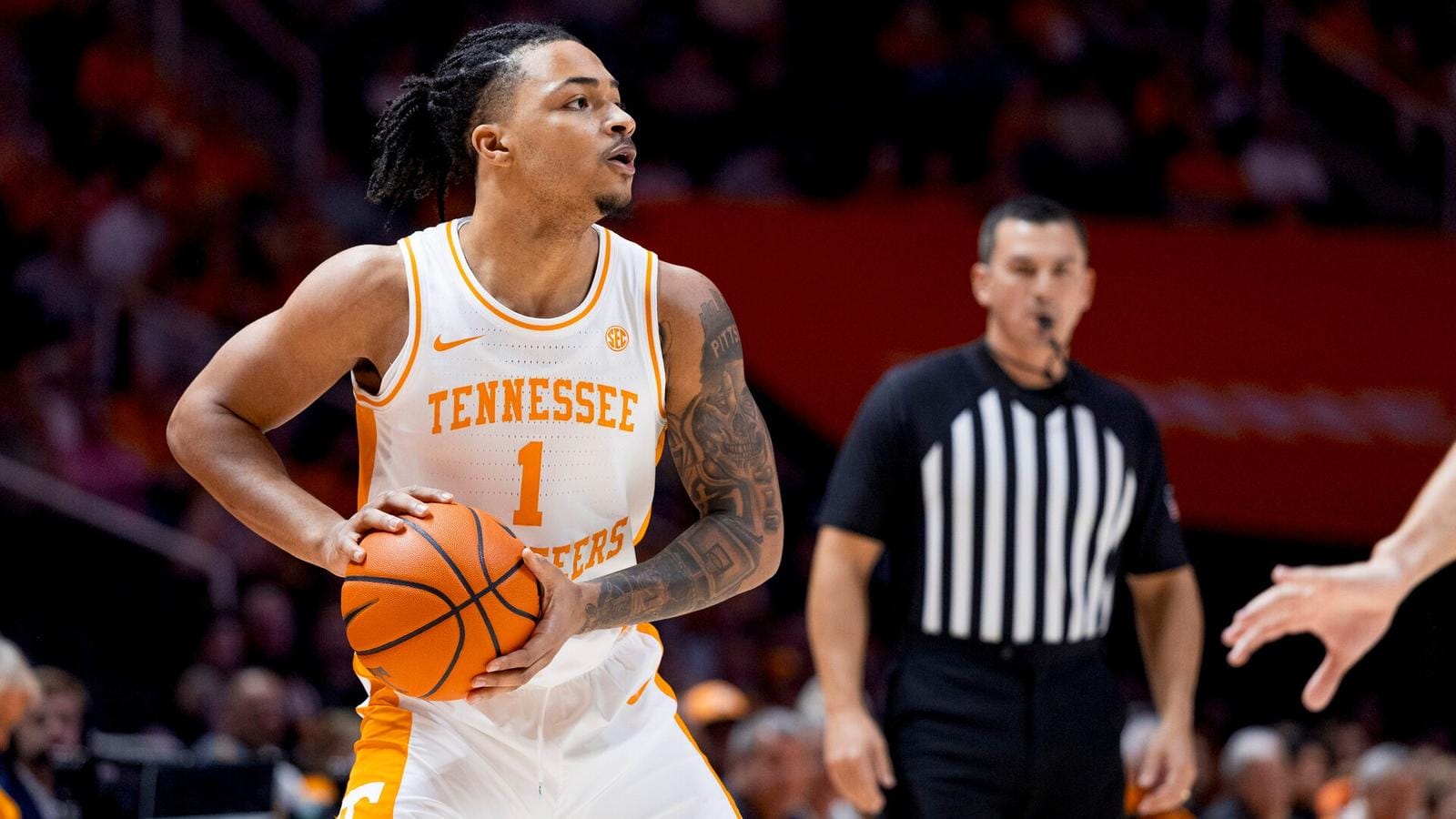
In college athletics, “culture” is the most overused and misunderstood word in the lexicon. Coaches use it when they win, and they blame its absence when they lose. Pat Kelsey’s hard hats are an attempt to create an identity from scratch, a shortcut to instilling values that usually take years of relentless recruiting and development to forge. The hard hat, by definition, implies protection and construction. But what exactly are they protecting, and what exactly are they constructing, if the foundation keeps crumbling every time a real opponent applies pressure? The game against Tennessee wasn’t just a physical battle; it was a strategic mismatch. Tennessee, under Rick Barnes, has built a program based on aggressive, suffocating defense and methodical execution. Their identity is not symbolic; it is systemic. They don’t need hard hats to remind them to be tough; they are tough because their system demands it, and their players are recruited specifically to fit that system.
Louisville, meanwhile, is in search of an identity. The program has tried to emulate a tough-minded approach before, and the results have been mixed. The hard hats are reminiscent of other coaching gimmicks throughout sports history—the baseball team that wears throwback jerseys for inspiration, the football team that focuses on a single word for the season, the motivational speaker brought in to pump up a locker room that is already checked out. These tactics work when the underlying talent and strategic plan are already sound, serving as a slight psychological boost. But when a team is fundamentally lacking in personnel, these gestures only serve to highlight the disconnect between aspiration and reality. The hard hat narrative suggests that the solution to Louisville’s problems is simply to try harder, to be tougher. This conveniently ignores the possibility that the personnel simply isn’t good enough, or that the coaching staff hasn’t yet implemented a system capable of competing with the top tier of college basketball.
The Historical Trap of Symbolism Over Substance
Let’s look at the history of high-profile coaching changes in programs with massive expectations. The first year is always about a “culture reset.” The coach comes in, cleans house, and installs a new set of rules and symbols designed to break from the past. For Louisville, the past is a complicated mix of championships and scandals. Kelsey’s challenge isn’t just about winning games; it’s about restoring trust and identity to a fanbase that feels betrayed by previous leadership failures. The hard hat gesture plays directly into this need for emotional reconnection. It tells the fans, “I understand what you’re feeling, and I am here to fix it.” But what happens when the fixing doesn’t happen fast enough? What happens when the hard hat symbolism, which is supposed to convey grit, instead starts to look like desperation?
The lopsided loss to Tennessee is the first significant crack in the hard hat facade. When a team gets blown out in a physical contest, the official narrative of “toughness” becomes impossible to sustain. The hard hats lose their meaning. They are exposed as what they truly are: performance art. A coach trying to convince his players and the fanbase that they are something they are demonstrably not. The truly successful programs—the ones that endure—don’t need symbolic props. Their toughness is inherent in their recruitment, their practice routines, and their game-day execution. Rick Barnes isn’t giving out hard hats; he’s giving out specific defensive assignments and holding players accountable to a standard developed over decades. Kelsey, on the other hand, is still in the early stages of trying to establish a standard, and the hard hats are a visible sign of his frustration with the current state of affairs. They are a plea for a new identity, but identity must be earned through action, not simply assigned through metaphor.
What Happens When The Symbolism Fails?
Pat Kelsey and Louisville must navigate a fine line. The hard hat narrative is powerful in its simplicity, but it sets an incredibly high bar. If the team continues to lose physical contests—if they continue to be outworked on the glass, outhustled in transition, and out-executed down the stretch—then the hard hats will morph from a symbol of hope into a symbol of mockery. They will become synonymous with failure. The challenge for Kelsey now is to transition from a symbolic leader to a tactical one. The hard hat gesture got everyone talking about toughness, but the losses in high-profile games demand that Kelsey actually deliver on that promise. He must show that he can recruit players who embody that toughness and implement a system that empowers them to succeed against high-level competition opponents like Tennessee. If he doesn’t, the hard hats will be nothing more than a footnote in the story of Louisville’s continued decline, a sign that the program was trying to build something before it had even laid the foundation, and that the construction workers never truly understood the blueprint.