The relentless churn of the NFL offseason brings with it a familiar dance of strategic chess moves, where the future of franchises can hinge on a single hire. From the bustling war rooms to the quiet contemplation of coaching hopefuls, the pursuit of the right leadership is paramount. For the Detroit Lions, a franchise steadily building momentum, the focus has acutely sharpened on shaping their offensive identity for the seasons ahead.
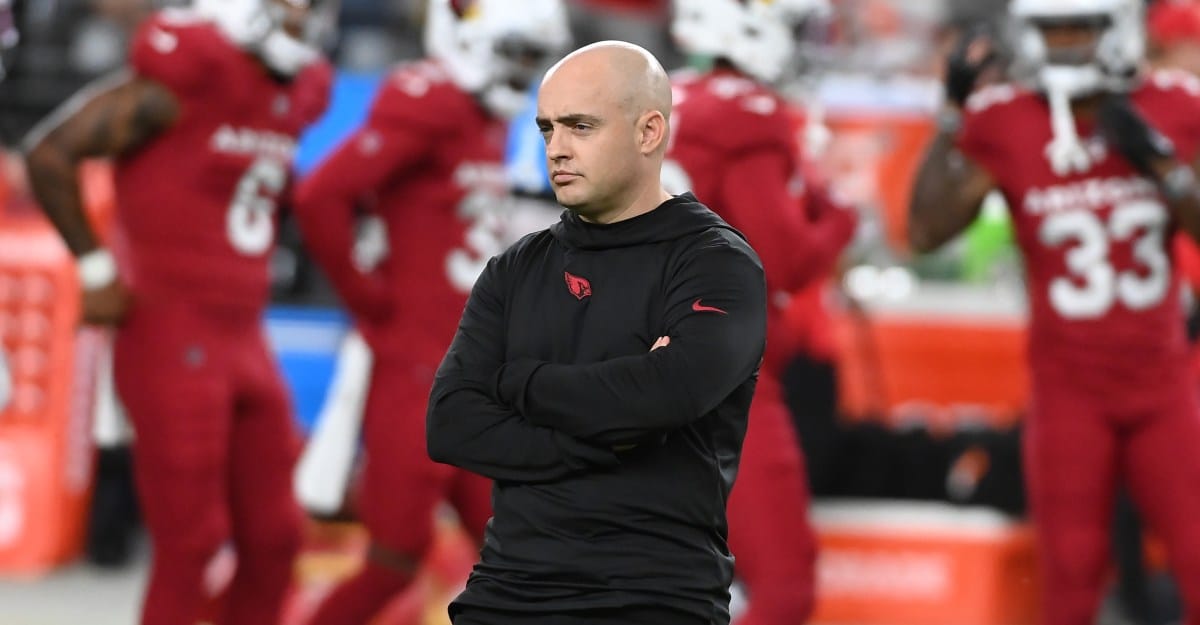
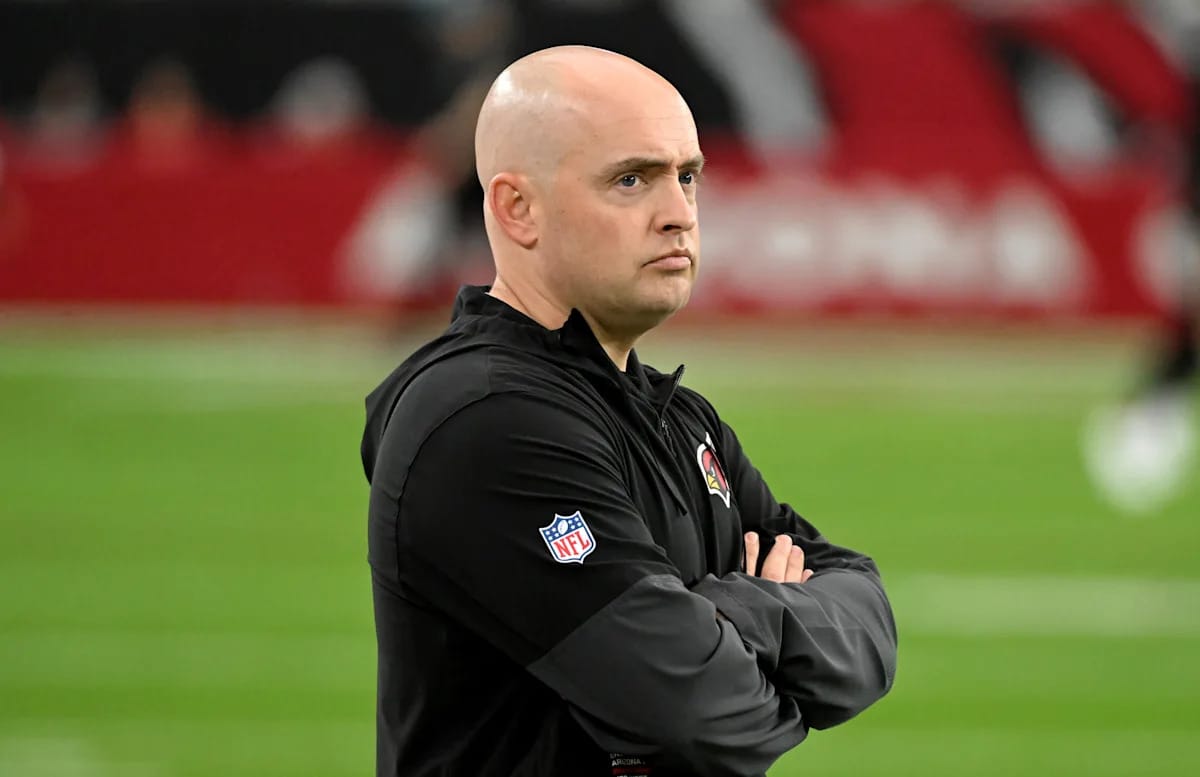
In a development that signals a significant step forward for the Motor City’s football ambitions, reports indicate the Detroit Lions are finalizing a deal to hire Drew Petzing as their new offensive coordinator. This move, widely reported by NFL Network Insiders Ian Rapoport and Tom Pelissero on Monday, positions the 38-year-old former Arizona Cardinals offensive coordinator at the helm of an offense eager to ascend to new heights.
A New Voice in Detroit’s Offensive Huddle
Petzing’s arrival in Detroit represents more than just a coaching change; it symbolizes a fresh perspective and a new set of eyes on an offense that has shown flashes of brilliance but seeks greater consistency and explosive potential. At 38, Petzing is part of a new generation of offensive minds in the NFL, often characterized by innovative schemes, a strong emphasis on player development, and adaptability to evolving league trends.
His tenure as the offensive coordinator for the Arizona Cardinals, where he spent the last season, offered him invaluable experience navigating the complexities of an NFL offense. The Cardinals’ situation, including the significant injury to quarterback Kyler Murray, presented unique challenges and opportunities for Petzing to hone his play-calling and game-planning abilities under adversity. This background, facing high-pressure situations and adapting strategies on the fly, likely appealed to the Lions’ leadership as they sought a coordinator capable of navigating the demanding NFC North.
The Critical Role of an Offensive Coordinator
The offensive coordinator position is arguably one of the most demanding and impactful roles in professional football. This individual is responsible for designing the team’s offensive scheme, crafting weekly game plans tailored to exploit opponents’ weaknesses, and, crucially, calling plays during games. The coordinator works in lockstep with the head coach and directly with the quarterback, forging an indispensable bond that often dictates the team’s on-field success.
Their duties extend far beyond simply drawing up plays on a whiteboard. An offensive coordinator must be a master strategist, a keen observer of talent, and an effective communicator. They are tasked with identifying the strengths of their players and building a system that maximizes those abilities, whether it’s a dynamic running back, a precise quarterback, or a versatile receiving corps. Furthermore, they play a pivotal role in the development of young players, particularly the quarterback, molding them into effective NFL starters.
In an era dominated by sophisticated defensive schemes and the constant pursuit of innovation, an offensive coordinator must also possess a forward-thinking approach. The ability to anticipate defensive adjustments, create mismatches, and maintain an unpredictable attack is key to sustained success. This often involves integrating new concepts, leveraging analytical data, and adapting to the unique skill sets available on the roster.
Detroit’s Aspirations and Petzing’s Challenge
The Detroit Lions, under Head Coach Dan Campbell and General Manager Brad Holmes, have cultivated a culture of resilience and grit. The team has shown significant progress, transforming from a perennial cellar-dweller to a competitive force. However, to truly contend for championships, consistent offensive firepower is non-negotiable. The hiring of Petzing underscores the organization’s commitment to refining and elevating its offensive output.
Petzing steps into a situation with both promise and significant expectations. The Lions boast a talented roster, including key offensive pieces that have demonstrated potential. His primary challenge will be to seamlessly integrate his offensive philosophy with the existing talent, identifying areas for improvement while building upon the foundations already laid. This includes optimizing play-calling in critical situations, enhancing red-zone efficiency, and ensuring the offense remains dynamic and adaptable throughout a grueling NFL season.
The collaborative relationship between Petzing and Head Coach Campbell will be critical. Campbell, a former NFL tight end, has a deep understanding of offensive football and a clear vision for the team’s identity. Petzing will need to align his strategies with Campbell’s overarching philosophy, creating a cohesive and powerful offensive unit that embodies the Lions’ hard-nosed approach while delivering explosive results.
The Broader NFL Coaching Landscape
The NFL coaching carousel spins relentlessly, driven by the intense pressure for immediate success and the constant evolution of the game. Each offseason sees a significant number of coaching changes, particularly at coordinator positions, as teams seek the right mix of talent, innovation, and leadership. This highly competitive environment means that coaches like Petzing are constantly under scrutiny, with every game plan and play call subject to meticulous review.
The trend in recent years has leaned towards hiring younger, analytically-minded coaches who bring fresh perspectives and are adept at leveraging modern football strategies. Petzing fits this mold, representing a wave of coordinators who are expected not just to call plays but to be comprehensive leaders and developers of talent. Their success often depends on their ability to build strong relationships with players, earning their trust and motivating them to perform at their peak.
For fans across the USA and Europe, where NFL fandom continues to grow exponentially, these coaching changes are always a topic of intense discussion. They represent hope for the future, a chance for a beloved team to redefine itself and embark on a path toward glory. The strategic decisions made in the offseason, particularly those involving key coaching positions, set the tone for the entire year and often determine whether a team will rise to prominence or falter under pressure.
As Drew Petzing prepares to embark on this new chapter with the Detroit Lions, the spotlight will inevitably follow. His ability to harness the team’s potential, foster a winning offensive culture, and deliver results on the field will be closely watched. In the unpredictable world of professional football, every new beginning is fraught with the challenge of expectation and the promise of a blank slate, a chance to etch a vision onto the canvas of a franchise’s future.