The Myth of the ‘Surprising Sharks’ and Tampa Bay’s Cynical Cooldown
We are watching, ostensibly, a mid-season matinee between a supposed dynasty, the Tampa Bay Lightning (24-13-3), and a ‘surprising’ underdog, the San Jose Sharks (20-17-3). But peel back the layers of the promotional veneer and what you find is less a compelling matchup and more a clinical examination of late-stage NHL mediocrity, cloaked in narratives cooked up by folks who haven’t looked past the box score.
The Tampa Bay Lightning, a franchise built on a foundation of shrewd cap management and just enough rule-bending to secure three championships in the salary cap era, now saunter into the SAP Center (a building that usually smells faintly of venture capital and broken startup dreams) to face the supposed ‘surprising’ Sharks, a team whose recent success is statistically reminiscent of finding a diamond in a landfill—it looks good until you realize the smell won’t wash off—and frankly, this whole matchup feels like watching the sequel to a movie nobody asked for, featuring actors who are only there for the paycheck. They are just coasting.
Look, the Sharks are exceeding expectations, which is the polite way of saying they’re experiencing an anomalous spike in save percentage (PDO is likely spiking, though no one in the main press wants to actually investigate that financial anomaly). A 20-17-3 record is not a ‘dynasty killer’; it’s the result of playing a weak schedule during a crucial holiday stretch while simultaneously catching opposing goalies on off nights. The Sharks organization hasn’t suddenly discovered the fountain of youth or a secret coaching schematic; they’ve just had the dice roll favorably a few more times than the projections predicted. This is a temporary statistical blip, a mirage in the Silicon Valley fog. That’s the truth.
The Guentzel Gambit: A Symptom of Panic, Not Power
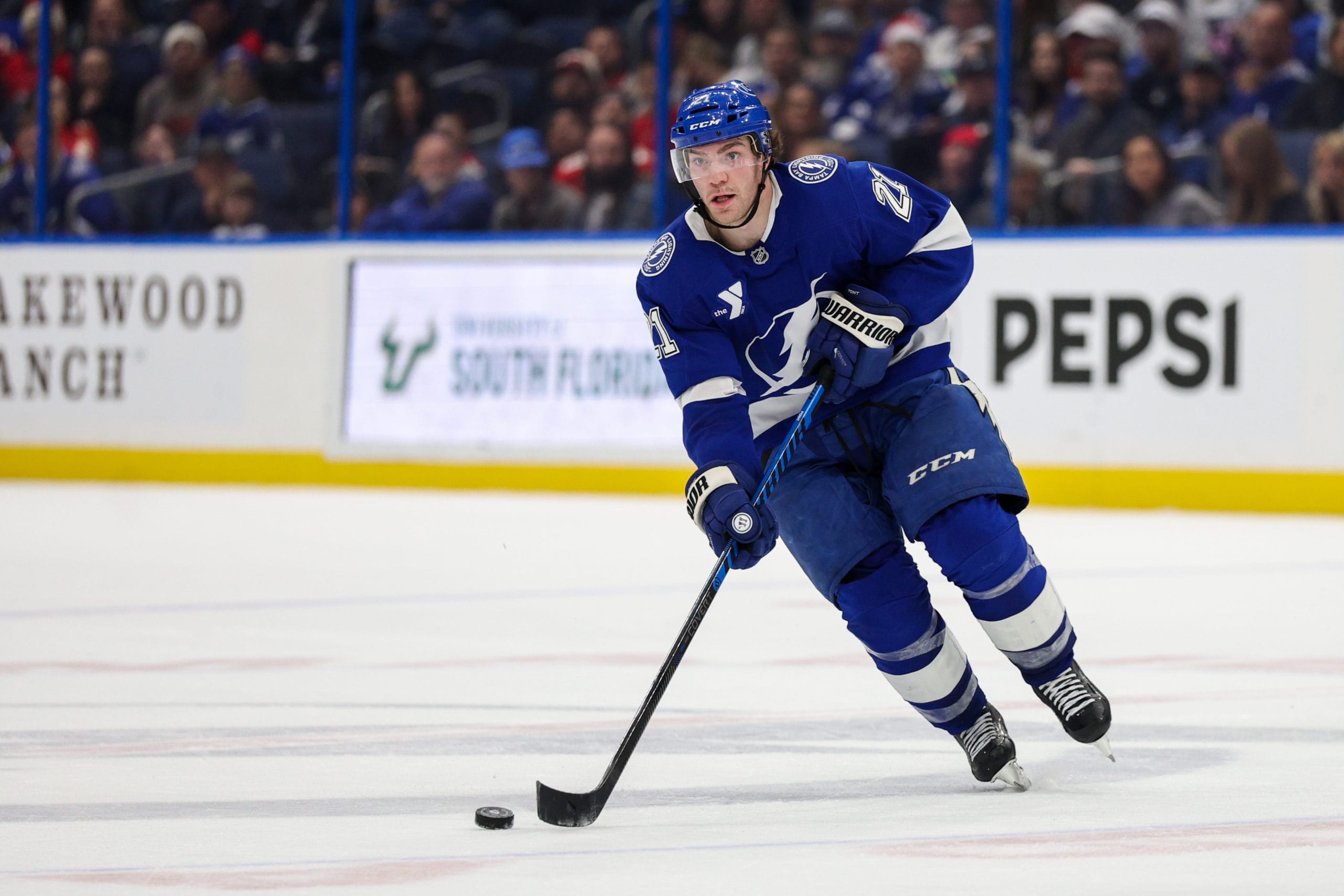
Tampa Bay’s moves, specifically the integration of players like Jake Guentzel into their established lineup alongside the veteran warhorses—Gage Goncalves, Brayden Point, Nikita Kucherov, Brandon Hagel, and Anthony Cirelli—is less about bolstering an already formidable squad and more about frantically trying to relight a damp cigar. When a truly dominant team makes a trade, it’s a terrifying accretion of power; when the Lightning do it now, it signals deep-seated insecurity about their aging core’s ability to withstand another brutal 82-game marathon, especially considering how many of those stars looked utterly gassed by the middle of last year’s playoffs (and who can blame them, they’ve been hitting the wall since 2020).
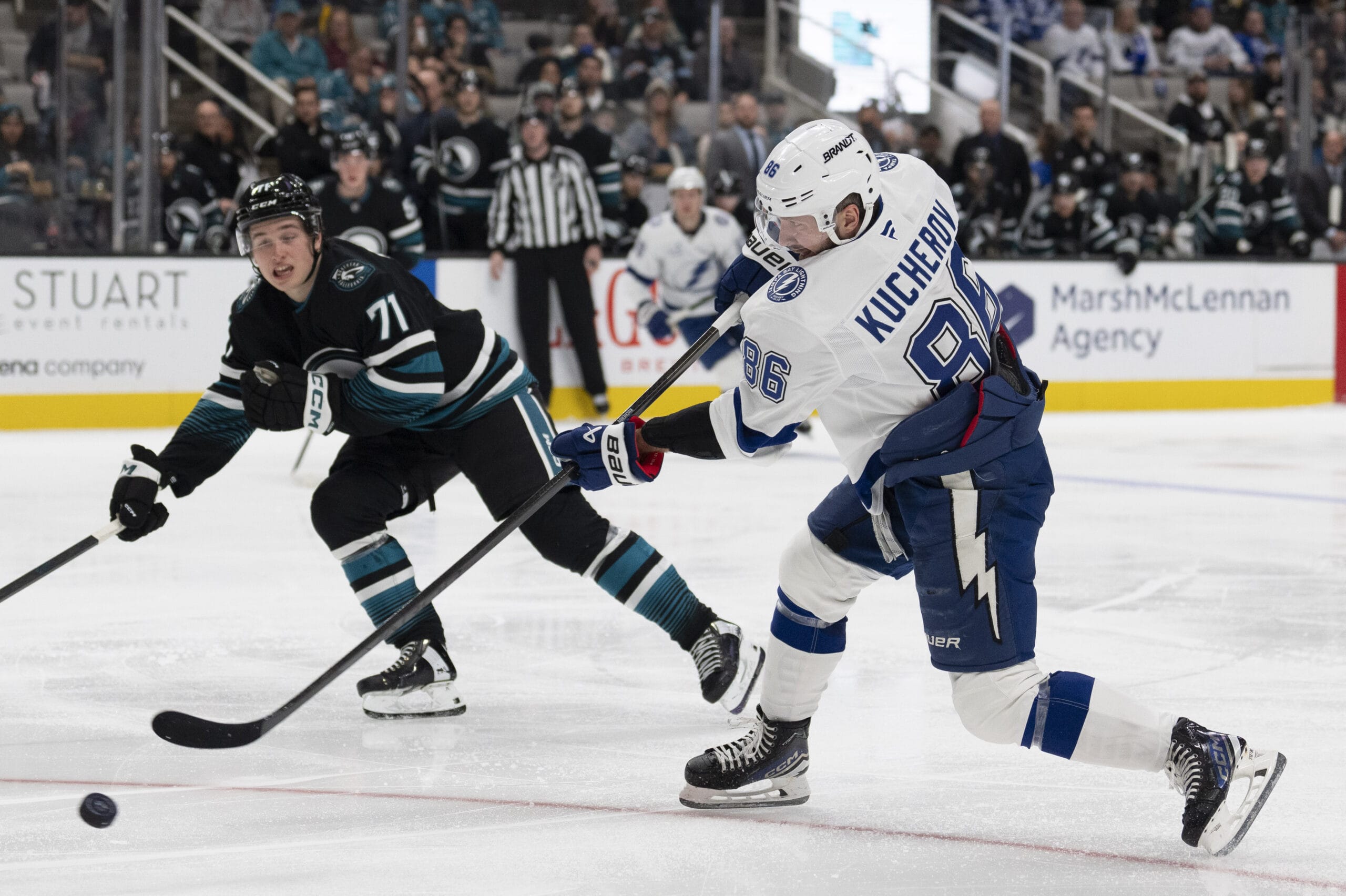
Kucherov, bless his heart, is still an offensive savant, but watching his shifts is like observing an expensive vintage car—you marvel at the engine, but you also worry that one unexpected pothole will shatter the whole chassis. His commitment to playing defense is, let us say kindly, situational. And Cirelli, the grinder who makes the system work, carries the weight of a franchise built on tight margins, constantly chasing down pucks that his more highly compensated teammates decided were simply too far away to bother retrieving. It’s a dynamic ripe for internal friction once the real pressure hits in April (assuming they don’t crash and burn before then, which is a definite possibility if they continue to view Saturday matinees as glorified practices).
The notion that the Bolts are ‘trending upward,’ as some sunny prognosticators suggest, completely ignores the gravitational pull of age and cap constraints. They are navigating the tightest financial structure in professional sports, and every single shift by Point or Victor Hedman carries the inherent risk that they might just run out of gas mid-stride. They are nursing injuries we don’t know about.
The Decay of Dynasty: Cap Evasion and the Roster Clock
Let’s talk brass tacks, the stuff the analysts on ‘The Spot’ won’t touch. Tampa Bay is perpetually operating in the salary cap’s grey zone, a situation that allowed them historical success but now ensures long-term pain. When you have three or four massive contracts eating up the majority of your space, the rest of your lineup is filled with league-minimum guys and prospects like Goncalves, who are essentially placeholders, asked to perform high-leverage roles without the experience or compensation to match. This creates inherent volatility, meaning their performance floor drops precipitously when one star gets sick or needs a rest day (which, at this stage of their careers, should probably be mandatory three times a week).
The game against San Jose is a microcosm of this financial fatigue. Tampa expects to win purely on pedigree. They expect the Sharks to eventually trip over their own unexpectedly long shoelaces. This arrogant presumption of victory is exactly what makes them vulnerable to a truly motivated, fast-checking team, even if the Sharks aren’t *that* team right now. They think they can simply flip the ‘Championship Switch’ in March. History shows that switch gets harder to find every subsequent year you try to rely on it (just ask the late-era Blackhawks or the Red Wings of the mid-2010s).
San Jose, on the other hand, is playing loose. They have nothing to lose. The pressure to win Stanley Cups is a psychological burden Tampa Bay carries every time they step on the ice; San Jose only carries the pressure of trying to impress their GM enough not to get traded at the deadline for a bag of pucks and a conditional draft pick. It’s a fundamental difference in organizational metabolism, and while Tampa’s experience usually trumps San Jose’s enthusiasm, this dynamic provides the Sharks with a brief, exhilarating window of opportunity (a window I suspect they will slam shut themselves by taking too many penalties).
Consider the logistical nightmare: 4 p.m. ET start time. This is not prime time. This is the awkward afternoon slot, the kind of time slot designed for families who want to catch a game before dinner, or for people on the East Coast to nap through. It screams ‘meaningless contest.’ Do you think Kucherov is laser-focused on the nuances of the Sharks’ third-line forecheck? No. He’s probably thinking about what kind of highly exclusive, vintage Russian wine he’s going to open when he gets home. He’s earned it, sure, but his dedication to this specific game is likely nominal. I’m telling you, this whole league is about resting the stars until the real tournament begins, and everyone else is just set dressing. It’s a circus designed to sell ESPN+ subscriptions.
The Unbearable Lightness of Being ‘Trending Upward’
To claim the Bolts are ‘trending upward’ based on a few recent wins against bottom feeders is frankly delusional. They are struggling to maintain defensive consistency, and Andrei Vasilevskiy, while still elite, isn’t performing the supernatural feats he relied on during the peak Cup years. They are relying far too heavily on power-play brilliance to bail out five-on-five structural deficiencies. And while the talent is undeniable, talent doesn’t fix a broken gas tank. Stamina is the currency of the playoffs, and Tampa Bay is already looking like they’ve spent too much of it.
The Sharks, while ‘surprising,’ still possess glaring holes. Their forward depth drops off a cliff after the first line, and their defensive metrics remain deeply worrisome. Any extended offensive pressure from a truly dominant team—which Tampa still is, even on an off day—will eventually break their shaky structure. They simply lack the depth and the consistent goaltending to sustain a prolonged winning streak. It’s a mathematical certainty. You can’t cheat the underlying numbers forever; the regression monster always comes knocking. This is why the Sharks will lose, not because Tampa played its best game, but because San Jose will eventually revert to mean. The mean is rough.
Prediction? Tampa Bay wins 3-1. It’s an ugly, low-event game where Tampa scores two power-play goals and one greasy tip-in, forcing the San Jose media to write another article about the ‘moral victory’ of keeping it close. The true tragedy is that the game proves nothing about either team’s ability to compete for the Cup; it only reinforces the yawning gap between the league’s top-heavy, exhausted elite and the plucky, statistically lucky middle. And we, the dedicated viewers, are left holding the bag, having spent three hours watching millionaires preserve their hamstrings. That’s the state of the modern NHL, folks, and anyone telling you otherwise is selling something. It is what it is. It’s all just a big show, designed to keep the revenue flowing, regardless of the on-ice product’s inherent quality. Remember that.
And let’s not forget the sheer geographical ridiculousness of this entire operation (hockey in Florida and California?). We are talking about two franchises that exist only because of aggressive expansion and the pursuit of television markets, not because of organic demand for frozen ponds and high sticking. This Saturday game is a testament to financial engineering, not athletic purity. The projected lineups—Guentzel, Point, Kucherov—read like an all-star roster that’s desperately trying to remember how to function as a unit after years of maximum effort. It’s a sad kind of beauty, watching the twilight of a champion, especially when the challenger is so clearly an imposter of true contention. But hey, there’s always next year for the Sharks, right? Probably not.