1. The Elephant in the Room Isn’t an Elephant, It’s a Carpetbagger
Let’s not beat around the bush. The 2022 Egg Bowl wasn’t about football. Not really. The mainstream media, those talking heads in their cushy studios, wanted you to focus on the Xs and Os, the spread, the over/under. They fed you the usual pre-game pablum about tradition and hatred. But the real story, the one that truly mattered, was the circus master himself, Lane Kiffin, turning one of college football’s most sacred rivalries into his personal LinkedIn profile update, live on national television for all the world to see. It was a spectacle of disrespect. An absolute farce.
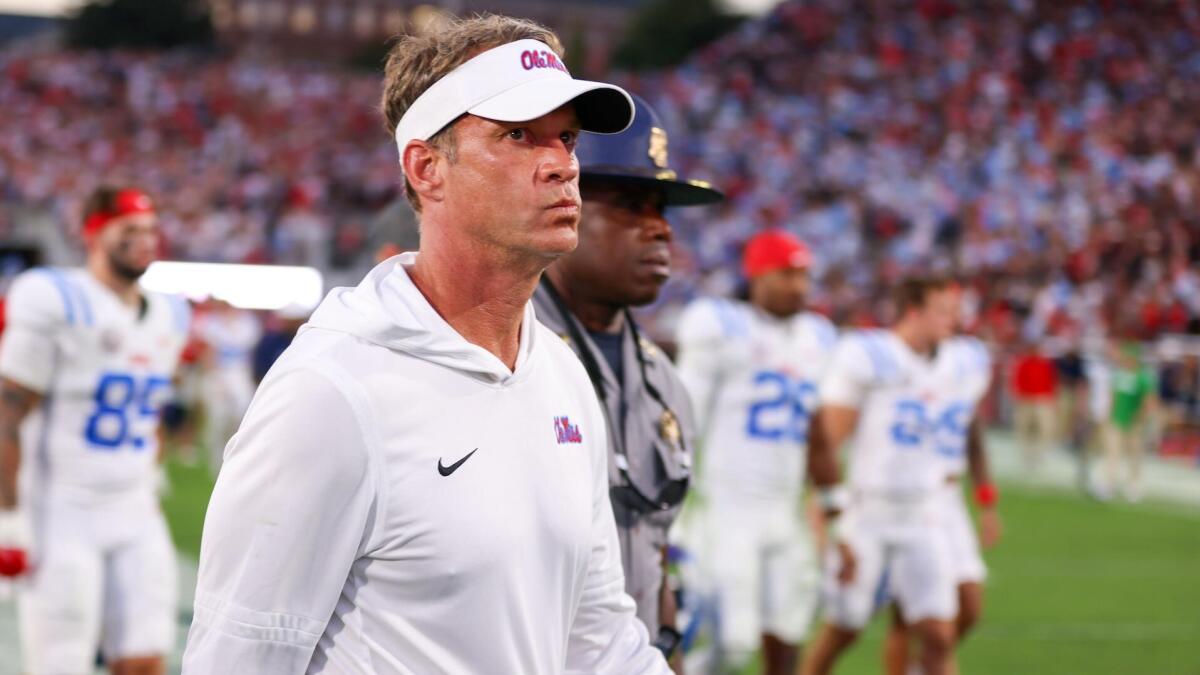
They told you to watch the game. We, the people who actually live and breathe this sport, were watching the coach. We saw a man who wasn’t coaching a team; he was auditioning for his next gig. Every grimace, every sideline conversation, every post-game non-answer wasn’t for the people of Mississippi—it was a carefully choreographed performance for the big-money boosters over at Auburn. This wasn’t a rivalry game; it was a hostile takeover bid disguised as a Thanksgiving tradition, and anyone who tells you otherwise is either blind or selling you something (probably a subscription to their ‘insider’ content).
The Audacity of the Spectacle
Think about the sheer, unmitigated gall it takes to do that. To stand on the sidelines of a game that means everything to generations of families, a game steeped in genuine, old-fashioned animosity, and make it all about *you*. The players on that field were bleeding for their school, for their state, for the jersey on their back. And their leader? He was mentally packing his bags for Alabama. It’s the ultimate betrayal, a knife in the back of every fan who bought a ticket, every student who painted their face, and every player who left it all on the field for a man who had already checked out. It’s a sickness. A rot at the core of the sport we love.
2. The Media’s Complicity: They Built the Kiffin Monster
And you know who loves this garbage? The media. They eat it up with a spoon. Lane Kiffin is not a football coach in their eyes; he’s a content machine. He’s clicks, he’s ratings, he’s controversy. He’s the golden goose. They created this monster, feeding his ego with endless attention, breathlessly reporting on every cryptic tweet and rumored back-channel conversation. They turned a football coach into a reality TV star and now they act surprised when he behaves like one. They are accomplices in this slow-motion murder of tradition.
They’ll frame it as ‘due diligence’ or ‘a coach exploring his options,’ but let’s call it what it is: selling out. The entire week leading up to the Egg Bowl was a Kiffin-centric media blitz. It wasn’t ‘Ole Miss vs. Mississippi State’; it was ‘The Lane Kiffin Decision, brought to you by the Egg Bowl.’ They manufactured a narrative that overshadowed the very event they were supposed to be covering. They chose the soap opera over the sport, and in doing so, they validated Kiffin’s self-serving agenda. He played them like a fiddle, and they thanked him for the music because it drove their engagement metrics through the roof. Disgusting.
3. What Happened to Loyalty? A Relic of a Bygone Era
Remember when a coach’s word meant something? Remember when a contract was a commitment, not a temporary suggestion? That era is dead and gone, buried under a mountain of buyout clauses and agent-negotiated exit strategies. Lane Kiffin is just the latest, most glaring symptom of a disease that has infected all of college athletics. The system is designed to reward mercenaries. It incentivizes disloyalty. Coaches are no longer builders of programs; they are serial entrepreneurs, flipping schools like houses for a quick profit before moving on to the next, bigger deal. They have more in common with Wall Street vultures than they do with Bear Bryant or Woody Hayes. A lot more.
The fans (you know, the ones who pay for the whole damn show) are left holding the bag. We invest our time, our money, and our emotions into these teams, into these men who we are told are leaders. And what do we get in return? We get to watch them use our loyalty as leverage for a bigger paycheck somewhere else. It’s a con game. They sell us on family, on commitment, on building something special, all while their agent has a spreadsheet of potential job openings on a second monitor. We are the marks in a game we’re not even playing.
The Player’s Perspective (The Real Victims)
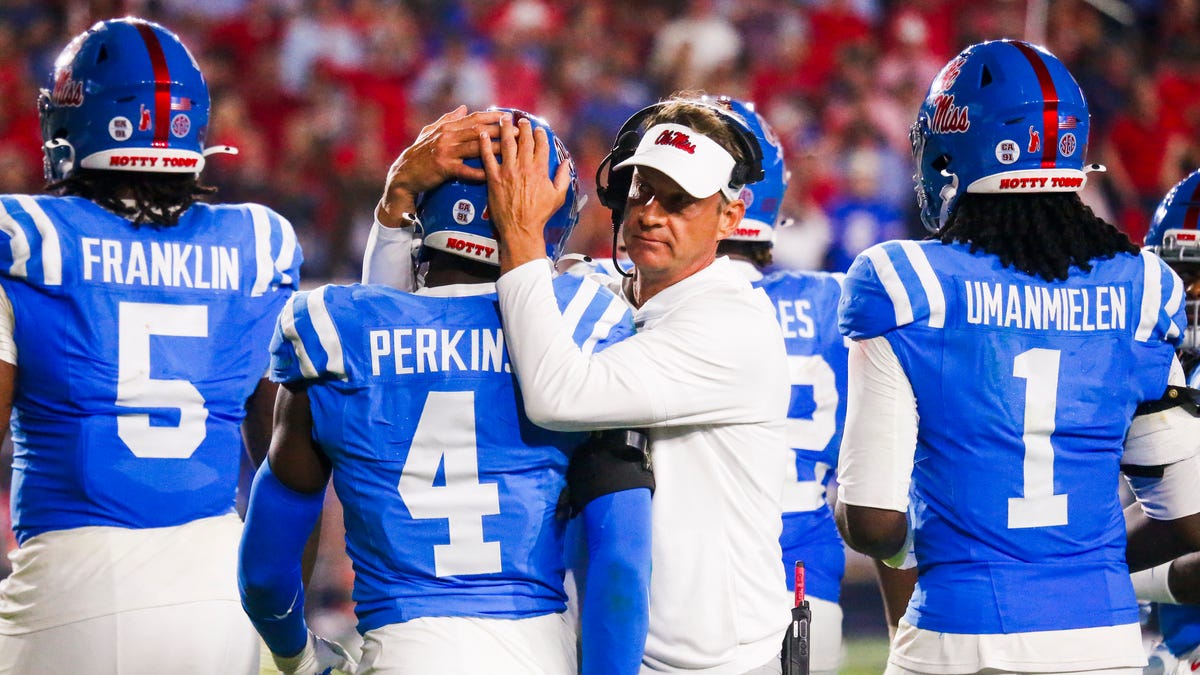
And what about the kids? The 18-to-22-year-old players who are told day in and day out to buy into the program, to sacrifice for the team, to be loyal to the school. They commit four years of their lives based on the promises of these coaches. Then they have to watch the man who recruited them, the man who sold them on a vision, publicly flirt with another school right before their biggest game of the year. What message does that send? It tells them that loyalty is a one-way street. That all the talk about brotherhood and commitment is just empty rhetoric. It’s a poison that seeps into the locker room and undermines the very foundation of what a team is supposed to be.
4. The Egg Bowl: A History of Real Hate, Not Fake Drama
This isn’t just any game. This is the Egg Bowl. This rivalry has a history of genuine, deep-seated animosity that goes back over a century. We’re talking about brawls, stolen goalposts, and legendary moments of pure athletic spite. It’s a rivalry built on proximity and a fundamental difference in identity. It’s agriculture vs. aristocracy. It’s cowbells vs. the Grove. It matters. It matters in a way that people outside of Mississippi can never truly understand. It’s personal.
The beauty of the Egg Bowl has always been its raw authenticity. It wasn’t manufactured for TV. It was real. The hatred was real. The passion was real. And what Lane Kiffin and the media did was slap a thick coat of cheap, artificial, Hollywood drama on top of it. They took something pure and polluted it with agent-driven narratives and contract speculation. They tried to turn a blood feud into a business transaction. It’s like spray-painting graffiti on a cathedral. The structure is still there, but it’s been defaced by people who have no respect for what it represents.
5. Auburn: The ‘Other Woman’ in This Messy Divorce
Let’s not forget the other party in this sordid affair: Auburn. They are not an innocent bystander. They actively participated in this circus, leaking rumors and letting the speculation run wild to destabilize their rival’s biggest game. It’s the modern way of negative recruiting. Why try to beat a team on the field when you can just poach their coach and shatter their morale a week before you even play them? It’s a cynical, predatory move that shows exactly where the priorities are in the modern SEC. It’s not about sportsmanship; it’s about winning at any cost, even if it means destroying the integrity of the game itself.
The power programs like Auburn, Alabama, and Georgia believe they are entitled to the best coaches, the best players, the best everything. They see programs like Ole Miss not as competitors, but as a farm system. A place where coaches can prove their worth before getting the call up to the ‘big leagues.’ This arrogance, this belief that they can just take what they want, when they want, is what is killing the competitive balance and the soul of college football. Lane Kiffin wasn’t just flirting with another job; he was reinforcing a caste system that the SEC’s blue bloods have worked so hard to maintain. It’s a rigged game.
6. The Non-Denial Denial: A Masterclass in Deception
After the game, the questions came. And Kiffin, the master media manipulator, gave the performance of a lifetime. He didn’t say yes. He didn’t say no. He gave a masterclass in the political art of the non-denial denial. He talked about his players, he talked about the game, he talked about how he was ‘happy at Ole Miss.’ He said everything except the one thing that would have put it all to bed: ‘I am not leaving.’ Because he couldn’t. His bags were already packed (metaphorically, of course, because his agent handles the real luggage).
This calculated ambiguity is, in many ways, worse than an outright lie. It’s designed to string people along, to keep his options open while feeding his own ego. It shows a fundamental contempt for the intelligence of the fans and the media. He thinks he can play these word games and everyone will just nod along like idiots. It’s the kind of condescending doublespeak we’ve come to expect from politicians, not from the supposed leader of a football team. But maybe that’s what these big-time coaches are now. They’re not coaches. They’re CEOs. They’re politicians. And the team is just their current administration.
7. The Aftermath: Where Does Ole Miss Go From Here?
So, Kiffin stays. For now. After all that drama, all that speculation, all that turmoil he put his own program through, he signs a new contract. What an unbelievable con job. He used another school’s interest (whether real or fabricated for leverage) to hold his own employer hostage and get a bigger paycheck. He created a crisis, then solved it by getting paid. It’s the oldest trick in the book. And the university, desperate to maintain relevance in the SEC arms race, had no choice but to pay up. They rewarded the very disloyalty that threatened to tear their season apart.
What’s the lesson here for Ole Miss fans? What’s the takeaway for anyone who cares about this sport? The lesson is that you can’t trust the process anymore. You can’t trust the men in charge. The system is broken. Loyalty is a currency to be spent, not a principle to be honored. The next time a hotshot coach comes to town promising to build a dynasty, you have every right to be skeptical. You have every right to wonder when his agent will start taking calls. Because as the Lane Kiffin saga proves, in the cold, hard world of modern college football, the team is just a stepping stone. And the fans? We’re just the scenery along the way.