1. The Theatre of Betrayal is Just Good Business
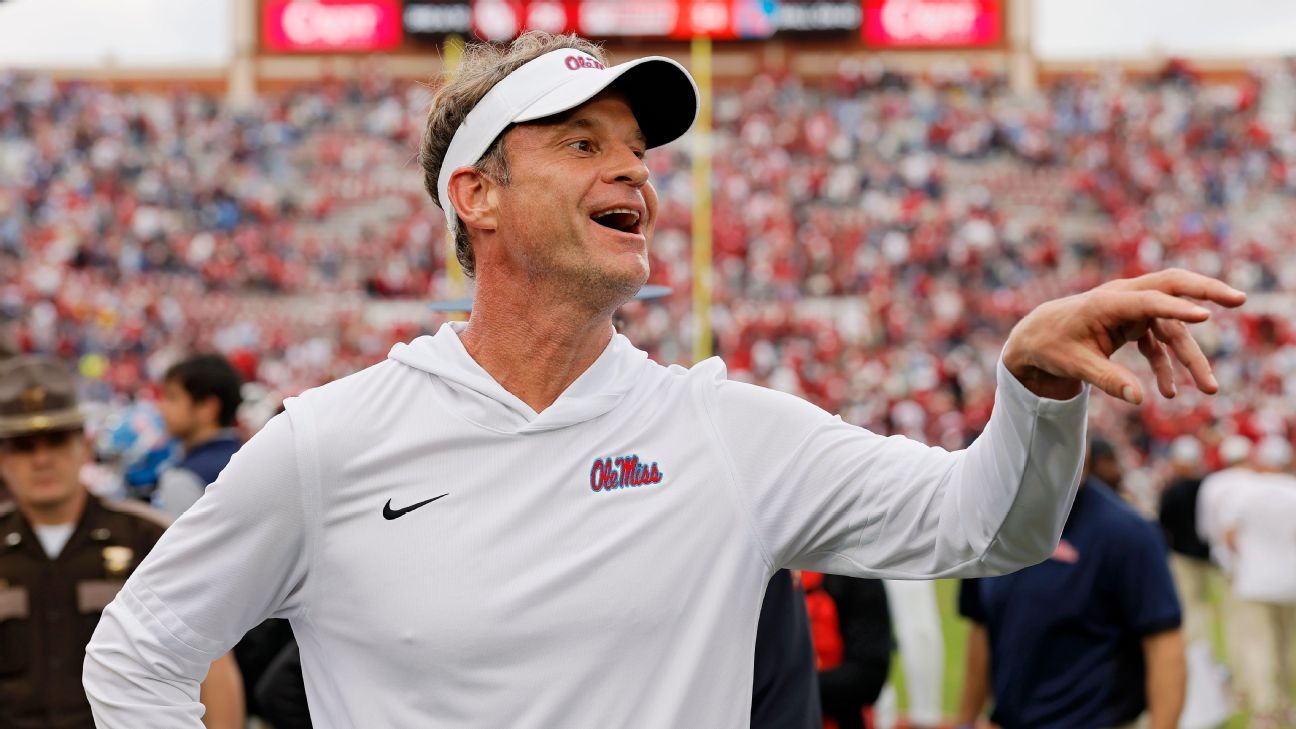
Let’s dispense with the sentimental nonsense immediately. The outrage, the pearl-clutching, the cries of “traitor” echoing from the groves of Oxford are all part of a well-rehearsed play, and the fans are the only unpaid actors. Lane Kiffin’s move from Ole Miss to LSU is not a story of loyalty forsaken; it is the physical manifestation of a market correction in the brutal, high-stakes geopolitical landscape of Southeastern Conference football. This isn’t a man leaving a job. This is a strategic asset being acquired by a rival superpower. The hand-wringing over his departure, particularly after he led Ole Miss to the precipice of glory, misunderstands the fundamental nature of the game being played. It’s never been about school spirit. It has always been about leverage.
Because the modern college football landscape, especially within the pressure cooker of the SEC, operates on principles closer to corporate raiding than to amateur athletics. Kiffin didn’t just get a raise; he was poached in a hostile takeover orchestrated by an athletic department that understands the price of admission to the new 12-team College Football Playoff. The $13 million per year isn’t a salary. It’s an investment, a massive capital expenditure designed to secure a market share of championships in a league that is about to become even more top-heavy with the additions of Texas and Oklahoma. To view this through any other lens—loyalty, tradition, fairness—is to be willfully blind to the cold, hard calculus that governs every decision from the AD’s office to the agent’s boardroom. This was a transaction, pure and simple. And a brilliant one at that.
2. Deconstructing the Contract: A Masterpiece of Psychological Warfare
The Ole Miss Playoff Clause
Buried within the mountain of cash that constitutes Kiffin’s new agreement is a clause of such beautiful, cynical genius that it deserves to be studied in business schools. LSU will pay Lane Kiffin a bonus equivalent to what he *would have* earned for coaching Ole Miss in their historic, first-ever College Football Playoff appearance. Think about that. It’s not just about making him financially whole. It’s a power move. LSU is not only taking Ole Miss’s coach; they are monetizing his success *against* them and paying him with it. It’s a declaration that LSU now owns not just Kiffin’s future, but his past accomplishments as well. They have effectively purchased the intellectual and emotional property of Ole Miss’s greatest season.
This is a poison pill for the Ole Miss fanbase and a message to the rest of the conference. It tells every other program that their success is merely a prelude to an acquisition by a bigger financial power. It tells recruits that the man who built the playoff team in Oxford has already moved on, devaluing the very achievement he orchestrated. But the clause also serves a strategic purpose for Kiffin and his agent, Jimmy Sexton. It insulates him from the criticism of “abandoning his team” by transforming the act into a quantifiable, contractual obligation. He isn’t leaving them high and dry; he’s simply cashing a check that his new employer was more than happy to write. It’s a surgically precise bit of contract language that turns a moment of potential public relations disaster into a showcase of financial dominance.
3. The Political Hypocrisy of Power
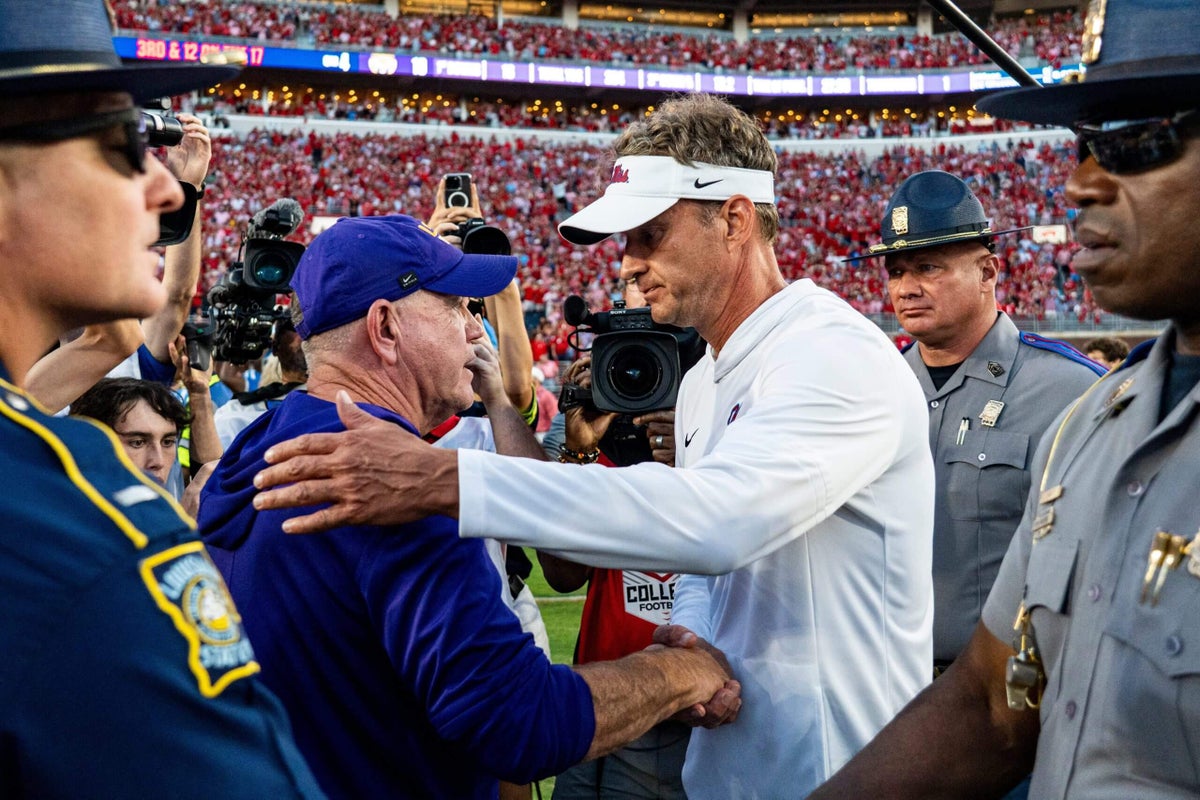
One cannot analyze this move without noting the delicious irony of Louisiana Governor Jeff Landry’s position. A mere month ago, Landry was on his soapbox, railing against the “exorbitant” contract of former LSU coach Brian Kelly, decrying the massive buyout as an irresponsible use of resources. It was a classic populist play, tapping into public sentiment about fiscal responsibility. He was the guardian of the state’s coffers. A man of the people.
And now? Now the state’s flagship university has handed Lane Kiffin an even *larger* contract with an even more staggering guaranteed buyout. The silence from the governor’s mansion is deafening. But it’s not surprising. Because this reveals the true nature of political maneuvering when it intersects with the quasi-religious fervor of SEC football. Landry’s previous outrage wasn’t about the money; it was about the man. Brian Kelly was an outsider, an easy target who didn’t fit the cultural mold. Kiffin, however, is a known SEC quantity, a proven winner in their arena. Winning cures all fiscal conservatism. This demonstrates a core truth: in the South, the balance sheet of the football program is more sacred than the state budget. The governor’s earlier posturing was pure political theatre, and the moment a more strategically advantageous, albeit more expensive, option became available, those principles evaporated into the humid Baton Rouge air. It was never about the price tag. It was about the perceived return on investment.
4. The Inevitable SEC Arms Race
This entire fiasco is a direct consequence of the conference’s escalating arms race, a conflict that has been simmering for years and is now boiling over. The SEC’s new media rights deal with ESPN, worth billions, has injected an unprecedented amount of capital into the system. Simultaneously, the expansion of the College Football Playoff from four to twelve teams has fundamentally altered the calculus of success. Making the playoff is no longer a dream for a handful of elites; it is now an expectation for the conference’s upper echelon. And in this new world, finishing fifth in the conference is no longer a respectable season; it’s a catastrophic failure.
LSU looked at the landscape—at Georgia’s budding dynasty, Alabama’s continued dominance, and the impending arrival of resource-rich Texas and Oklahoma—and made a calculated decision. They concluded that Brian Kelly, for all his wins, did not represent the quantum leap necessary to compete for the top two or three spots in this new, hyper-competitive league. Kiffin, with his offensive ingenuity and mastery of the modern recruiting/transfer portal era, was deemed the weapon they needed. The $13 million salary and massive buyout aren’t just for coaching; they are for acquisitions and talent retention in a league where coaches are now the equivalent of CEOs and general managers. They are paying for a strategist who can navigate the complexities of NIL, the transfer portal, and the relentless recruiting battles that define the conference. This is LSU buying the best missile system on the market because they know their neighbors are doing the same.
5. The Wreckage in Oxford: A Cautionary Tale
And what of Ole Miss? They are the collateral damage in this strategic realignment. They did everything right according to the old playbook. They hired a promising coach, gave him the resources to build a contender, and were rewarded with the most successful period in the program’s modern history. They achieved the dream: a spot in the College Football Playoff. Their reward for reaching the pinnacle is to have their architect and the blueprint he created ripped away at the moment of their greatest triumph. It is a brutal lesson in the food chain of college football.
The wreckage is not just the loss of a coach. It’s the potential destabilization of an entire program. Key players who came to play for Kiffin will now flood the transfer portal. The incoming recruiting class, built on relationships with him and his staff, will fracture. The donor base, having just invested heavily to create a playoff contender, is left demoralized and questioning the point of it all. Ole Miss is a stark reminder that in the SEC, there is a distinct hierarchy of power, and it is almost entirely defined by the size of your war chest. They developed a valuable asset, but they lacked the financial fortifications to prevent it from being seized by a more powerful state. Their success, ironically, made Kiffin a more attractive target and ultimately led to their own undoing. It’s the cruel paradox of the current system.
6. The Grandmaster Behind the Curtain: Jimmy Sexton
You cannot tell this story without speaking the name of the man who moves the chess pieces: super-agent Jimmy Sexton. This entire coaching carousel, not just Kiffin to LSU but the domino effects across the country, often bears his fingerprints. Sexton has mastered the art of leveraging one school’s interest against another’s, creating bidding wars that escalate contracts to astronomical levels. He represents a significant portion of the coaches in the SEC, creating a situation where he is often negotiating against himself, driving up the market price for his entire client portfolio with each blockbuster deal.
The Kiffin-to-LSU contract is a Sexton special. It’s audacious, it’s record-breaking, and it contains unique clauses designed to maximize both financial gain and public relations spin. He understands that his clients are not just coaches; they are brands, and their contracts are press releases that signal power and prestige to recruits, donors, and rival programs. By moving Kiffin from one of his schools (Ole Miss) to another (LSU), he solidifies his own power base, ensuring that the flow of money within the conference’s upper coaching ranks continues to pass through him. Athletic directors know that if they want to hire an elite coach, they almost certainly have to go through Sexton. He is the unofficial commissioner of the coaching market, a kingmaker whose influence shapes the destinies of billion-dollar athletic departments.
7. The Future is Corporate Raider Football
Forget alma maters and school colors. The Lane Kiffin saga is the blueprint for the future. College football at the highest level is no longer a collegiate activity; it is a professional league operating under a thin veneer of academic affiliation. The next decade will see an acceleration of these trends. We will see more coaches poached within the same conference, more buyouts treated as simple costs of doing business, and more contracts structured like CEO compensation packages with performance bonuses tied to what are essentially stock prices (i.e., playoff appearances and championships).
The line between head coach and corporate executive has been erased. They are now responsible for managing nine-figure budgets, massive personnel staffs, talent acquisition (recruiting/portal), and public relations. And they will be compensated and acquired as such. The idea of a coach staying at a program for 20 years out of loyalty is a relic of a bygone era. The new model is a 5-7 year tenure where a coach is brought in to maximize a program’s value, achieve specific metrics, and then either get a massive extension or be acquired by a bigger firm. Fans who cling to the old notions of loyalty will be left perpetually disappointed. The smart ones will adapt, viewing their team’s coach not as a father figure, but as a high-performing, and highly volatile, asset on the books.