Koepka’s PGA Tour Return Exposes Deep Divisions Among Elite Golfers
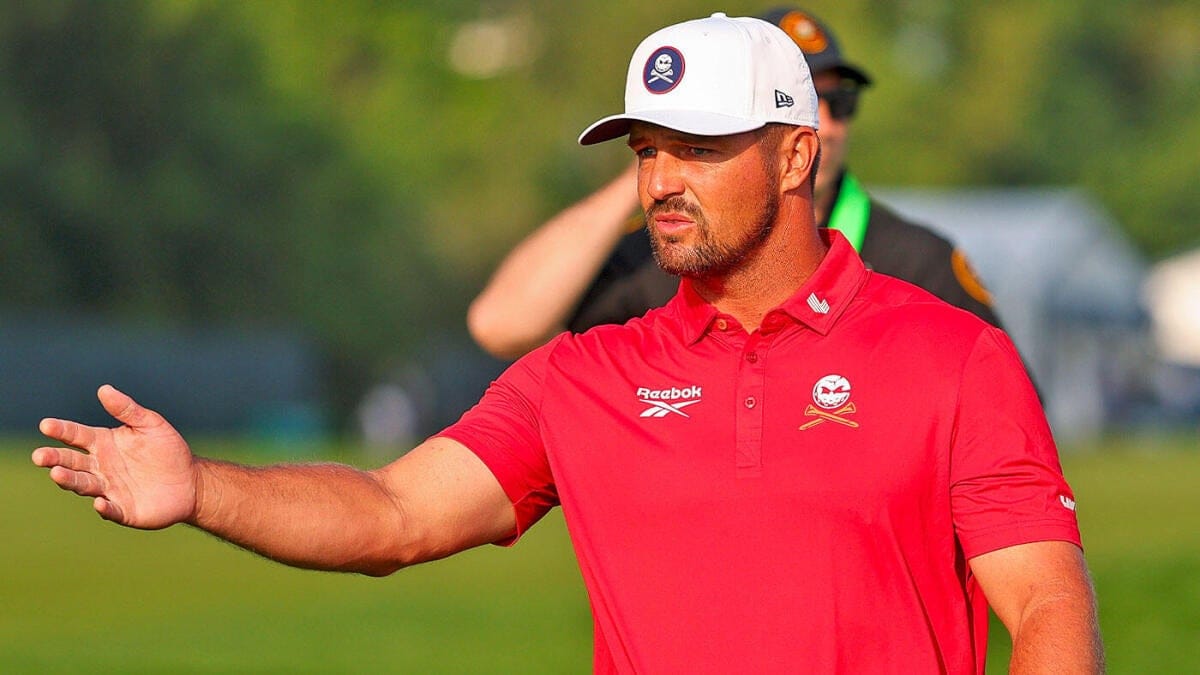
Brooks Koepka’s return to the PGA Tour under a new Returning Member Program has exposed deep divisions among professional golfers, drawing praise from figures like Tiger Woods while facing sharp criticism from other loyal players, including Rickie Fowler and Jordan Spieth. The move, part of a broader reintegration effort between the PGA Tour and LIV Golf, highlights the ongoing volatility in professional golf, even as other stars simultaneously commit to the rival circuit.
Koepka, a five-time major champion and one of the most prominent players to defect to LIV Golf in 2022, was announced as one of the first participants in the newly established program. The program, created in the wake of the proposed framework agreement between the PGA Tour, DP World Tour, and Saudi Arabia’s Public Investment Fund (PIF), aims to provide a pathway for former members to return to the traditional tours, though not without controversy.
Tiger Woods Calls Return ‘Incredible’; Loyalists Feel Betrayed
Among those welcoming Koepka back was Tiger Woods, arguably the most influential figure in modern golf. Woods, speaking shortly after the announcement of Koepka’s return, described the move as "incredible," indicating a desire for a unified professional golf landscape. Woods’ endorsement signals a high-level acceptance of the reintegration process, potentially easing tensions among players who remained loyal to the PGA Tour.
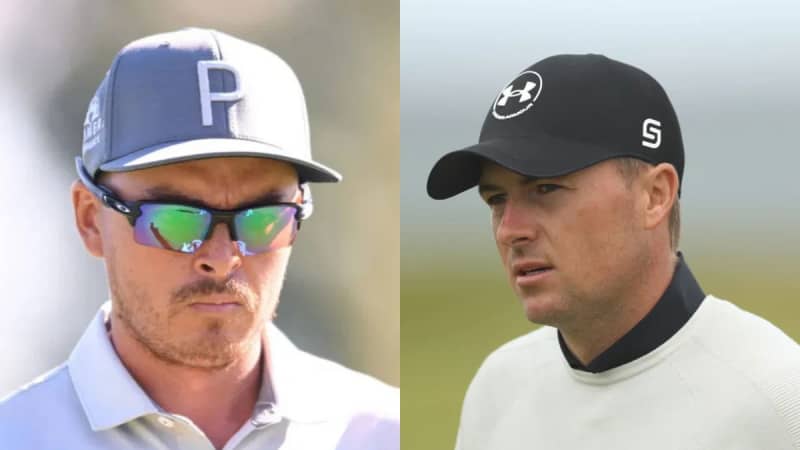
However, Woods’ sentiment is not universally shared. Rickie Fowler, a popular player who chose to stay with the PGA Tour throughout the turmoil, voiced significant displeasure regarding Koepka’s return. Fowler aligned himself with Jordan Spieth’s perspective, arguing that Koepka’s decision to leave for LIV Golf had "hurt" the players who remained loyal to the traditional tour. This sentiment reflects a deeper feeling of betrayal among players who sacrificed potential large financial guarantees to uphold the integrity of the PGA Tour.
Michael Kim, another prominent PGA Tour player, echoed similar reservations, suggesting that not everyone has welcomed Koepka back to the tour with open arms. The new program, which allows a limited number of former LIV players to return, has forced loyalists to reckon with the difficult question of how to reconcile with those who left during the height of the professional golf schism.
LIV Golf Counters with New Signings in Ongoing Turf War
The complexity of the situation is further highlighted by concurrent reports of high-profile players committing to LIV Golf. In a move that underscores the ongoing battle for talent, Bryson DeChambeau, Jon Rahm, and Cameron Smith confirmed their continued commitment to LIV Golf. This development occurs even as the PGA Tour attempts to welcome back defectors through its new returning member program. The simultaneous movement of players in both directions demonstrates that the professional golf landscape remains highly fragmented and competitive.
LIV Golf, backed by the vast wealth of the Saudi PIF, has successfully lured away some of the world’s top players with guaranteed contracts and substantial prize money since its inception in 2022. The commitments from DeChambeau, Rahm, and Smith—three of the most marketable players in the sport—signal LIV’s sustained ability to attract top talent, contradicting narratives suggesting the rival tour’s imminent demise following the framework agreement announcement.
Context: The Genesis of the PGA Tour-LIV Golf Schism
To fully understand the current situation, it is necessary to examine the origins of the conflict that has dominated professional golf since 2022. The schism began when LIV Golf emerged, offering unprecedented financial incentives to players willing to leave the traditional tours. The PGA Tour responded swiftly by banning all players who joined LIV from competing in its events.
This division created a significant rift in professional golf, forcing players to choose sides. The PGA Tour implemented strategies to counter LIV’s influence, including creating "elevated events" with larger purses and increasing prize money for existing tournaments. Players who chose to stay, like Fowler and Spieth, often spoke of loyalty to the traditional format, legacy, and the structure of competitive golf, viewing their decision as upholding the core values of the sport despite financial sacrifice.
The Framework Agreement and Path to Reunification
The conflict reached a turning point in June 2023, with the surprise announcement of a framework agreement between the PGA Tour and the PIF. The agreement aimed to create a new commercial entity that would unify professional golf under a single umbrella. The specifics of how this unification would occur remain complex and are still under negotiation, but the introduction of the Returning Member Program is a direct result of this proposed agreement.
The program itself has faced criticism for a perceived lack of transparency and equity. While Koepka and others are offered a path back, the terms of their reintegration remain unclear to the public and, in some cases, to other players. Loyalists argue that the returnees should face some form of penalty or consequence for having abandoned the PGA Tour when it faced its greatest challenge. The "hurt" expressed by Fowler and Spieth stems from the perception that players who left are now being allowed to return without significant repercussions, potentially undermining the loyalty of those who remained.
The return of Koepka, a highly successful major winner, could be seen as a significant win for the PGA Tour in a bid to reunite its membership. However, the reactions from Fowler and Spieth indicate that the human element—the personal and professional relationships between players—may take longer to heal than the corporate agreements between governing bodies. The ongoing movement of high-profile players in both directions, coupled with the differing reactions to Koepka’s return, suggests that the future landscape of professional golf remains highly uncertain, with unresolved financial, ethical, and competitive questions still at play.