The Official Lie: A Gritty NBA Cup Showdown for Glory
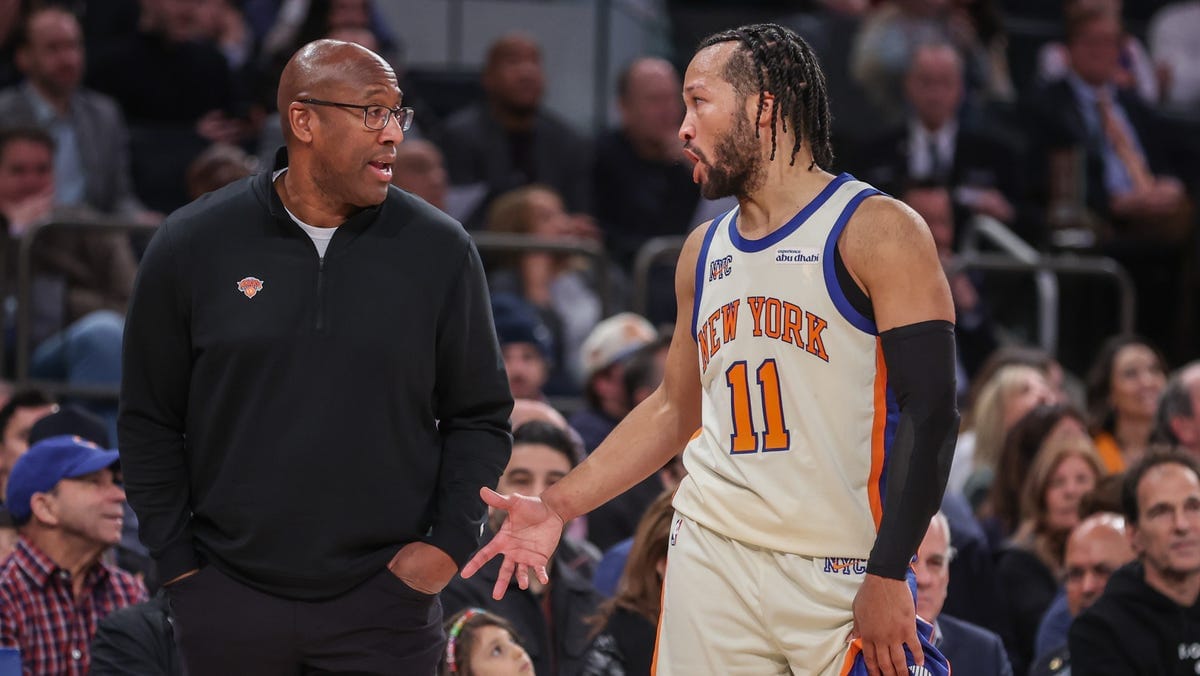
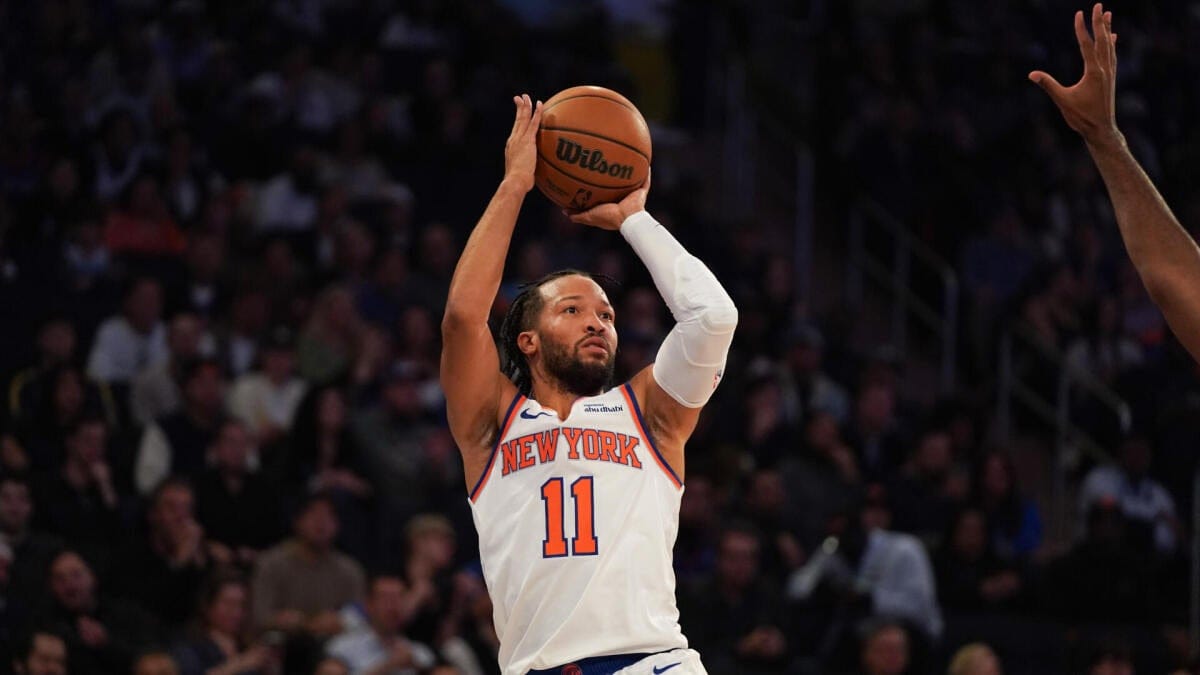
And so the media machine churns out its predictable narrative for the New York Knicks vs. Toronto Raptors matchup. We’re told this isn’t just another regular season game, oh no, this is the NBA Cup quarterfinal, a serious competition with real stakes. The spin doctors want us to believe in the prestige, the history being made, the Cinderella story of the Raptors rising from the ashes of last season’s 25-win debacle to become a genuine contender, a “surprise team.” The official story is that the Knicks, a franchise built on a foundation of unfulfilled hype and a fan base that mistakes desperation for passion, are facing a true test of character against a hungry, upstart Canadian squad. The headlines scream about predictions, odds, and spreads, all based on a highly sophisticated, supposedly “proven model” that simulates the game 10,000 times to give you the most accurate possible prediction. It’s a tale of two teams fighting for something meaningful beyond the regular season grind, a battle for bragging rights and a small piece of hardware that, we are assured, truly matters to the players and the fans.
The Unofficial Truth: A Manufactured Spectacle for the Betting Handle
But let’s pull back the curtain on this puppet show, shall we? Because the reality, as always, is far less romantic than the headlines suggest. This whole spectacle, from the mid-season tournament itself to the breathless coverage of betting lines, is less about athletic competition and more about generating revenue from a single, undeniable source: gambling. The NBA Cup, despite its shiny new trophy, is a transparent cash grab designed specifically to create a marketable inventory for Amazon Prime Video and, more importantly, to boost the betting handle for partners like BetMGM. That’s why every single headline isn’t just about the game, but about a “bonus code NYPDM1500” and a “proven model” that guarantees success. It’s not a prediction model; it’s a marketing funnel.
And let’s not pretend the Raptors being a “surprise team” is some kind of organic miracle. It’s a storyline, neatly crafted to keep casual viewers interested and, crucially, keep the betting lines moving. If the Raptors were just as awful as last season, who would tune into this quarterfinal, especially on a Tuesday night? Nobody. So, we get a narrative arc that transforms them from a bottom-feeder to a dark horse contender, making this specific game a high-stakes, must-watch event, or so they tell us. It’s all about keeping the engagement high, keeping the viewers clicking on the links to BetMGM, and making sure Amazon Prime feels like it got its money’s worth from the broadcasting rights. The game itself is secondary; the transaction is primary.
The Mirage of the ‘Proven Model’ and the Gambling Trap
Look at the language in the headlines, and you’ll see exactly where the real focus lies. They’re not talking about player matchups or coaching strategies first; they are talking about “odds, spread,” and a “proven model” that simulates the outcome 10,000 times. A truly brilliant and slightly terrifying concept when you think about it: the idea that a sports outcome can be reliably predicted through pure data analysis, essentially removing the very human elements of surprise, luck, and individual performance that make sports interesting in the first place. This “proven model” is the official lie that gives sophisticated gamblers and new bettors alike the confidence to throw money at the spread. But here’s the cold, hard truth: the models are designed to maximize betting volume, not necessarily to give you an accurate edge. They exist to lure you in, convincing you that you can beat the system with a little bit of data science, when in reality, the house always, always wins. The 10,000 simulations are just window dressing for a simple truth: the spread is designed to divide the betting pool perfectly, ensuring a consistent profit for the bookmakers regardless of the outcome. It’s a beautifully constructed trap, and we’re all walking right into it.
The Knicks’ Perpetual State of Mediocrity and Hype
And then there are the Knicks. Ah, the Knicks. The ultimate example of a franchise existing purely on the strength of its market size and a perpetually hopeful, yet perpetually let down, fan base. Every season, the narrative machine tries to convince us that *this* is the year, *this* is the squad that will finally restore glory to Madison Square Garden. And every season, they end up somewhere between mediocre and just-good-enough-to-miss-the-championship. This year, they’ve stumbled into the NBA Cup quarterfinal, and the media wants us to believe this is a sign of true progress. But let’s be honest, the Knicks are essentially a walking, talking marketing opportunity for New York City and its associated betting partners. The team’s on-court performance often feels like a secondary concern to the financial ecosystem built around them. They are the perfect embodiment of a league where branding and market share outweigh genuine athletic success. If they win this game, great, a little more hype. If they lose, well, there’s always next year, right? That’s the mantra that keeps the cycle going, and keeps the betting money flowing.
The Raptors’ Caffeinated Contradiction: A Fake Cinderella Story
As for the Raptors, they are the perfectly manufactured antagonist for this specific storyline. They were dreadful last season, winning only 25 games. Now, suddenly, they are a “surprise team” that’s fighting for a spot in the semi-finals. How convenient. This narrative gives Amazon Prime viewers in Canada a reason to tune in and gives gamblers a new team to follow—a team with a good story and a high-burst potential. Because a team that’s expected to be bad but performs well is far more interesting for betting purposes than a team that consistently meets expectations. The high burstiness of their performance allows for more volatility in the betting lines, which means more opportunities for BetMGM to rake in a profit. The Raptors are not a surprise team; they are a perfectly timed narrative device, designed to make this specific game matter more than it would have otherwise.
The Real Stakes: Streaming Wars and Data Harvesting
Let’s talk about Amazon Prime Video’s role in all of this. The NBA Cup isn’t just about betting; it’s also a crucial piece in the ongoing streaming wars. Amazon isn’t just buying sports rights for a charity; they are buying them to keep subscribers engaged and to harvest data on viewing habits. This game between the Knicks and Raptors is essentially a data collection event. Every click, every viewing minute, every pause and rewind, is being tracked to better understand how to monetize live sports content. The game is the content; the fan is the product. The NBA Cup gives Amazon a high-stakes event to promote, driving subscriptions and solidifying their position as a major player in live sports broadcasting. The players on the court are just props in this much larger corporate battle. The real battle isn’t on the hardwood; it’s between Amazon, ESPN, and other streaming platforms vying for control of your entertainment budget.
The Players as Pawns: Injury Avoidance vs. Tournament Glory
But let’s get specific about the human element, because that’s what we’re told we’re watching. Do you genuinely believe a player’s primary motivation in this mid-season tournament is to win the NBA Cup trophy? A trophy that looks suspiciously like a participation award with a corporate logo? The truth is, players care infinitely more about avoiding injury in a relatively meaningless game than they care about winning this specific tournament. Their careers, and millions of dollars, are on the line every night. A player’s motivation for playing hard in a game like this is likely a mix of professional obligation and perhaps a small bonus for winning the tournament, but it pales in comparison to the fear of a season-ending injury in a game that doesn’t significantly affect their chances at the real prize, the NBA Championship. This creates a fascinating psychological dynamic: a game that is advertised as high-stakes but where the players themselves might be holding back just enough to stay healthy, creating even more unpredictability for the very same betting models we’re supposed to trust.
The Final Verdict: A Game of Numbers, Not Heart
And so, as the game begins, understand exactly what you are watching. You are not witnessing a pure display of athletic prowess and competitive spirit. You are watching a finely tuned machine designed to facilitate financial transactions. The Knicks and the Raptors are merely components in this machine. The “proven model” and the betting odds are the drivers, not the players. The whole thing smells of calculation, not passion. The NBA Cup is a gimmick, and the only real stake involved is how much money you’re willing to lose on the spread. Enjoy the game, but don’t be fooled by the high-burst intensity; it’s just part of the show, for lack of a better word, script. Because in modern sports, especially in the NBA, every narrative arc is pre-approved, pre-calculated, and priced accordingly by the bookmakers. The game itself is just the advertisement for the betting.