The Jokes on Us: California’s King Tide Comeuppance
Let’s talk about the weather, shall we? No, not the usual small talk about sunshine and rainbows, but the genuinely inconvenient kind where Mother Nature sends a very polite (but very wet) ‘I told you so’ note directly to your doorstep. The Bay Area, specifically Marin County, just got hit with a double whammy: heavy rain and high King Tides. And look, I’m not here to just report the facts—I’m here to laugh at the irony, because honestly, what’s funnier than a bunch of wealthy, coastal elites suddenly realizing their multi-million dollar properties are built on glorified sponges? It’s a bit like watching a high-stakes poker game where everyone at the table keeps doubling down on a terrible hand, and then acts shocked when they lose everything (spoiler alert: they will lose everything, eventually, because physics is a cruel mistress).
Q&A with the Satirical Joker: The Bay Area Gets Wet
Q1: So what actually happened in the Bay Area? Was it a surprise?
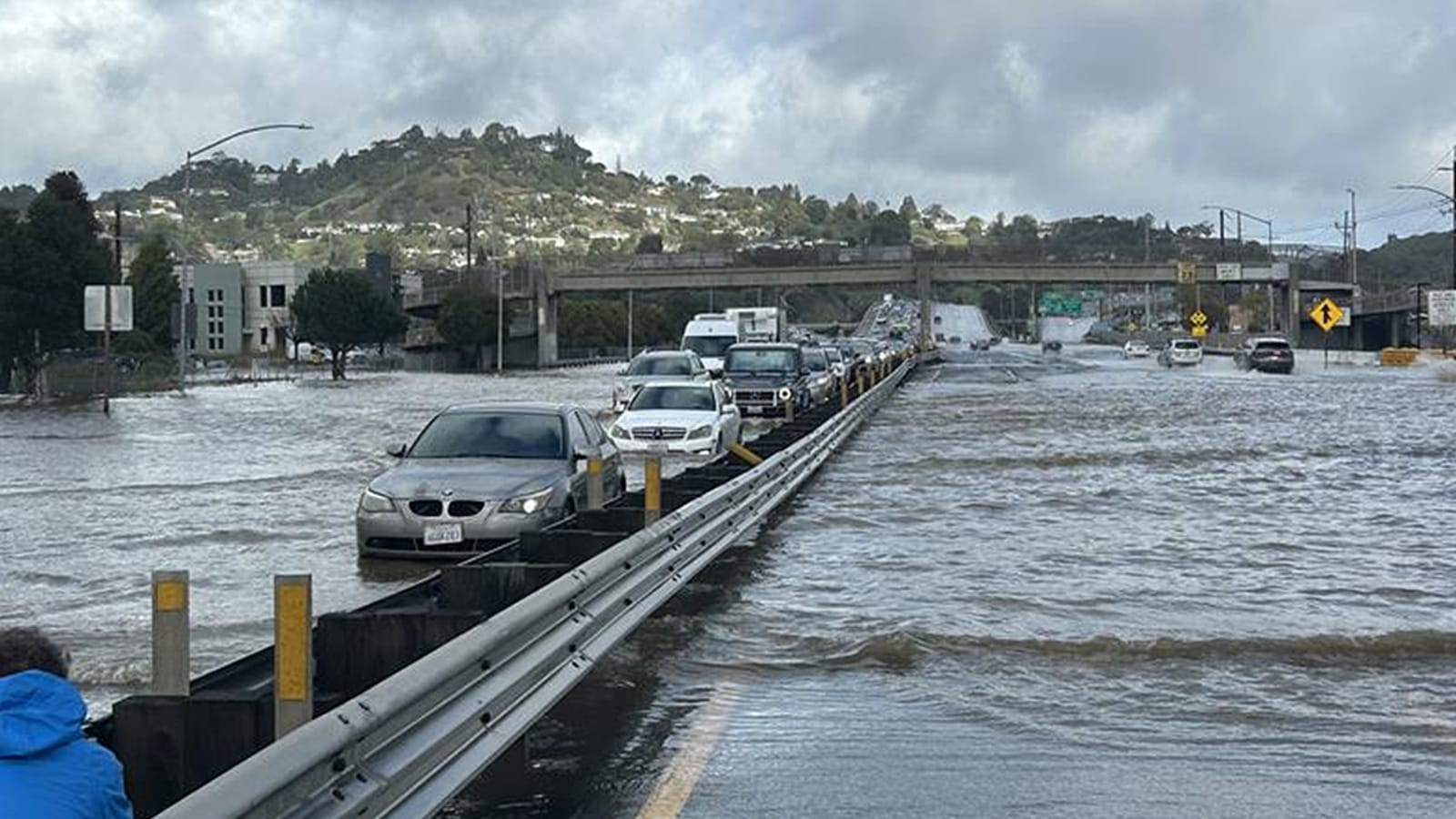
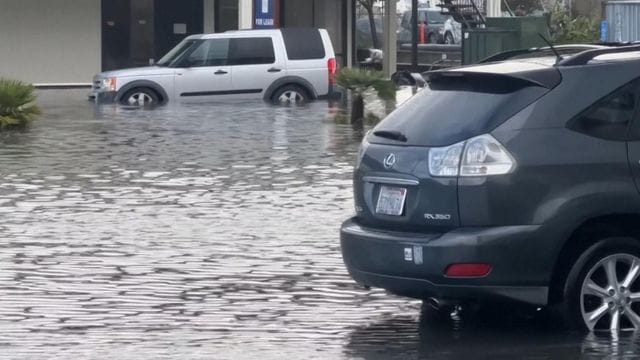
Surprise? Only if you consider the sun rising every day a surprise. Let’s break down the ingredients for this soggy little disaster: you’ve got your “atmospheric rivers,” which sounds like a term invented by a meteorologist who reads too much sci-fi, and then you’ve got these lovely things called “King Tides.” Now, a King Tide, for the uninitiated, isn’t some rogue wave sent by Poseidon to punish us specifically for our excessive avocado toast consumption; it’s just the highest tide of the year, a predictable astronomical phenomenon where the Earth, Moon, and Sun align just so. We know when they’re coming. We literally mark them on calendars. We have apps for this. We’ve known for millennia that the tides get high sometimes, yet when combined with heavy rainfall—the other completely predictable part of the California winter—we act like it’s a revelation. The combination of heavy rain and high King Tides creates a situation where the water from the rain has nowhere to go because the tide has essentially corked the drain pipes, leaving towns like Larkspur in Marin County looking less like a charming coastal town and more like a poorly planned water park. The resulting “mayhem,” as one article called it, involved businesses flooded, freeways inundated, and a general sense of panic among people who live in low-lying areas that have been low-lying since forever. It’s truly a testament to human short-term memory (or maybe just denial) that we collectively decide to forget about gravity and ocean levels every time we build another development in a floodplain. They say history repeats itself, but in California, it repeats itself with higher property values every time.
Q2: Why does this particular flooding event feel different? Is it just media hype, or is there something bigger going on here?
Oh, it’s absolutely bigger than just media hype, even if the media loves to sensationalize everything. This isn’t just about a one-off storm; it’s about a trend of increasing frequency and severity (a trend, by the way, that scientists have been predicting for decades, but nobody listens to scientists when they’re telling you to stop doing something profitable). The real story isn’t the water; it’s the hubris. It’s the sheer audacity of building on reclaimed wetlands and then expressing shock when the wetlands decide to reclaim themselves. Look at Larkspur: much of that area was essentially marshland not that long ago. We paved over it, built our shiny houses, and told ourselves we had conquered nature. Now, nature is sending the bill. And let’s be honest about the location here: Marin County. This isn’t some forgotten working-class neighborhood; this is one of the wealthiest enclaves in the country, home to tech executives, celebrities, and a whole lot of people who probably consider themselves environmentally conscious. The irony is so thick you could cut it with a knife. The people who talk most about sustainability are often the first to get flooded when things go south. It’s a real-life illustration of the old saying, “the chicken’s coming home to roost,” or perhaps in this case, “the heron’s coming home to roost in your living room.” The flooding isn’t just a physical event; it’s a social commentary. It highlights the vulnerability of our infrastructure and the delusion that we can continue to live exactly as we always have, ignoring the very real changes happening around us. The Bay Area’s infrastructure, designed in a different era for different climate patterns, simply isn’t equipped to handle this new reality. The pipes are too small, the drainage is inadequate, and the sea level is getting higher. This isn’t a future problem; it’s a now problem, and the only thing standing between us and complete chaos is a few more inches of elevation. And let’s not even start on the political theater of it all, where everyone points fingers, pledges millions to study the problem, and then does absolutely nothing of substance until the next “unexpected” flood hits.
Q3: What’s the long-term prognosis for places like Marin and San Francisco? Are we doomed, or is there an easy fix?
Oh, we’re not doomed in the fun, apocalyptic way; we’re doomed in the slow, expensive, and incredibly annoying way. The long-term prognosis for places like Marin County is simple: a gradual, inevitable retreat. Or, if you’re feeling particularly optimistic, a complete re-engineering of the coastline, which would cost more than most small countries’ GDP. The fact is, a large chunk of the Bay Area is going to be underwater. It’s not a maybe; it’s a matter of when. The U.S. Geological Survey and various other scientific bodies have been clear about this for years. The King Tides we’re seeing today? They’re just a preview of average high tides in the future. The high tide in 2050 will look a lot like the King Tide of today. So, what’s the fix? The only real fix, the one nobody wants to talk about, is to move. It’s to stop building new houses on the coast. It’s to start a managed retreat from low-lying areas. But try telling a Californian homeowner that their million-dollar view is actually a depreciating liability. The current solutions being proposed are all short-term bandaids: bigger pumps, higher seawalls, maybe some strategic sandbagging. These are solutions designed to placate the populace and maintain property values for a few more years, rather than actually solve the underlying problem. It’s like putting a tiny piece of tape over a hole in a dam and hoping for the best. The real solution involves making hard choices about land use, infrastructure spending, and potentially abandoning huge tracts of developed land. But in a political landscape where we can’t even agree on what day of the week it is, getting consensus on a multi-billion dollar, multi-decade plan to relocate entire communities is less likely than finding a unicorn riding a bicycle down Lombard Street. So, we’ll continue to build higher and higher seawalls until they inevitably fail, creating a far worse disaster down the road. It’s not just about flooding; it’s about the fact that we’re essentially paying a premium to live on borrowed time, and Mother Nature just sent us an eviction notice in the form of a King Tide. Good times, indeed. Maybe we should start investing in amphibious vehicles now; it’s probably better than buying flood insurance.