The Levee Breaks: A Dystopian Prophecy in Tukwila
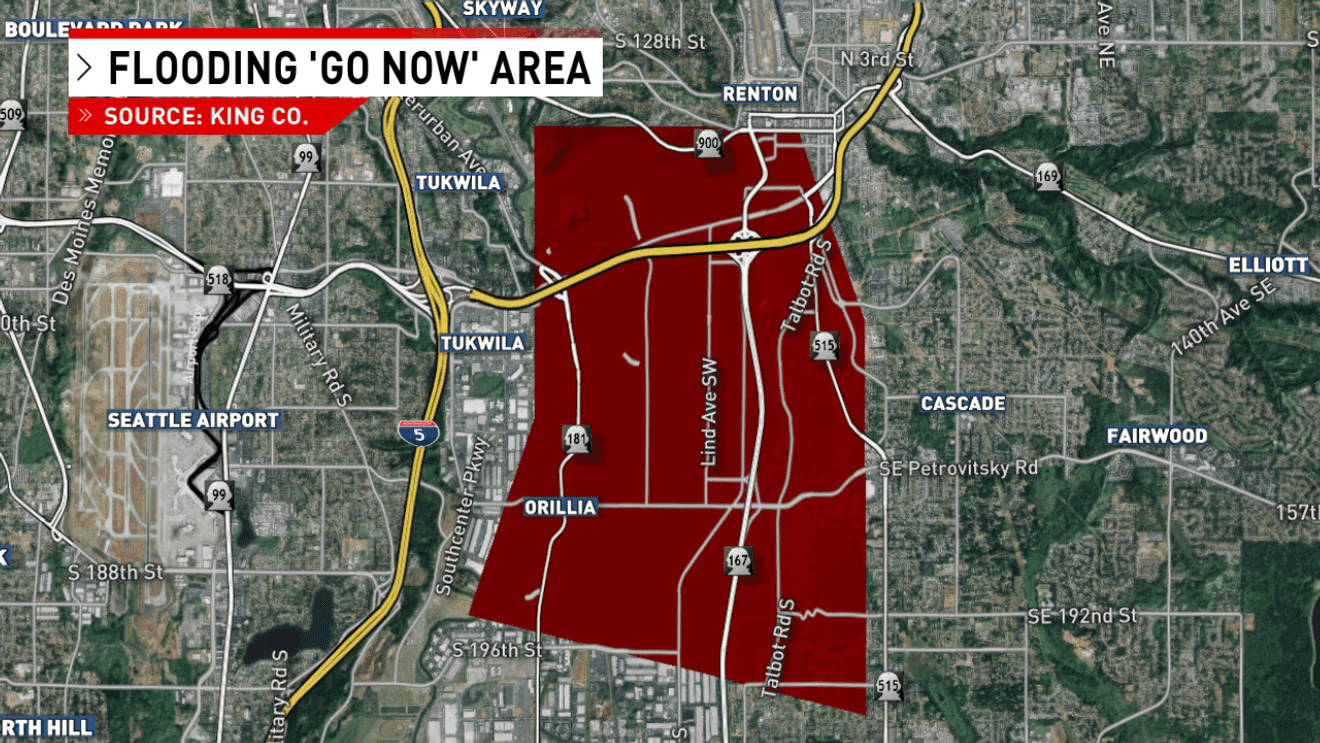
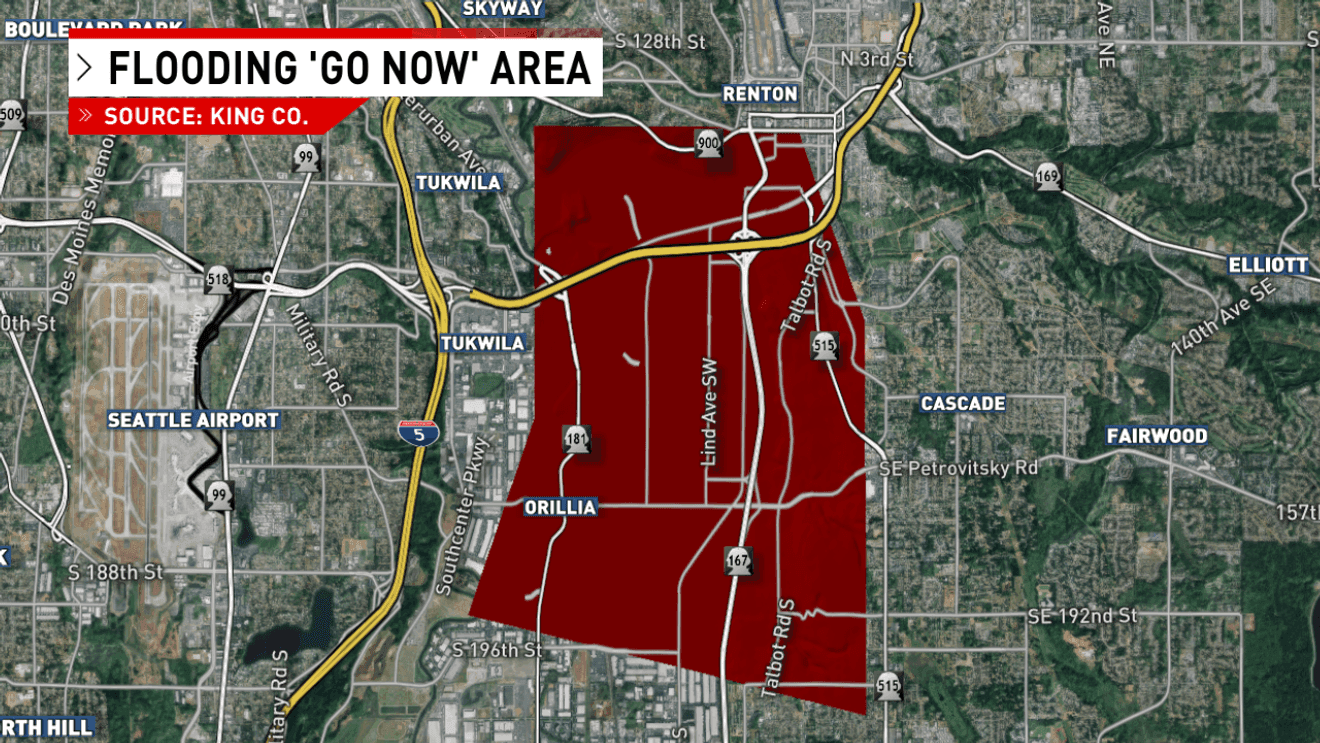
When the levee on the Green River failed, forcing flash flood evacuations across Tukwila, it wasn’t just a local weather event. It was a perfectly choreographed dress rehearsal for the collapse of a civilization that has utterly lost its grip on reality, choosing to fetishize pixels over concrete, algorithms over engineering, and virtual lives over actual physical survival. The ‘GO NOW’ alert flashing on screens throughout King County wasn’t a warning; it was an admission of defeat. We have reached a point where we rely on technology to manage the consequences of our own systemic negligence, rather than investing in the mundane physical world that keeps the water out and the lights on.
We live in a world obsessed with AI, with virtual reality, with the metaverse—a world where the most valuable companies generate nothing tangible and contribute nothing to the physical infrastructure that underpins all human endeavor. The entire system has inverted. We celebrate the next generation of generative AI while the dams, bridges, and levees built by our grandparents crumble beneath our feet. The water surging through the breach in the levee isn’t just a physical phenomenon; it’s a profound, visceral metaphor for the systemic decay that we have chosen to ignore for decades, blinded by the siren song of technological progress and digital distraction. We are collectively staring at our phones, waiting for the next software update, while the physical world, which we’ve neglected for so long, finally asserts itself with cold, unforgiving force.
The False Promise of ‘Smart’ Infrastructure
The tech evangelists will tell you that the future lies in ‘smart cities’ where AI manages infrastructure. They’ll argue that the solution to a levee failure like the one in Tukwila is a system that can predict the exact moment of failure, coordinate emergency responses, and optimize evacuation routes. But this completely misses the point. The ‘smart city’ model is fundamentally flawed because it prioritizes management over prevention. It is a cynical acceptance of inevitable decay. Instead of fixing the levee, we build sensors on it to tell us precisely when it will fail. Instead of investing in robust, redundant physical systems, we create elaborate digital simulations of failure scenarios. We are building a high-tech layer over a rotting foundation, and when that foundation finally gives way, all the algorithms in the world won’t be able to hold back the flood.
The irony of the situation is almost comical in its bleakness. We’re spending billions on space exploration, on colonizing Mars, on creating digital worlds, while a critical piece of infrastructure in one of the richest counties in the United States fails due to basic engineering issues. The priorities are so skewed that they border on dystopian fiction. The Green River levee wasn’t built for current weather patterns—a fact known for years, exacerbated by climate change and chronic underfunding. The failure wasn’t a surprise. It was a predictable outcome of a society that decided maintaining the physical world was boring, unglamorous, and unworthy of investment. We’re so focused on uploading our consciousness to the cloud that we’ve forgotten how to keep our feet dry on the ground.
The Dystopian Feedback Loop: AI and Collapse
Consider the future this incident portends. In a truly dystopian scenario—one that we are rapidly building—the levee failure isn’t a bug; it’s a feature of a system designed to manage decline. As climate change accelerates and infrastructure continues to age, these events will become more frequent. The response, however, won’t be to rebuild; it will be to deploy more AI. We will have real-time alerts, augmented reality overlays showing us exactly where the floodwaters are deepest, and autonomous vehicles guiding us to safety. The AI will know everything about the collapse, except how to prevent it. It’s a technological palliative, a digital morphine drip for a terminal society.
This creates a dangerous feedback loop. The more we rely on technology to manage catastrophes, the less capable we become of physically addressing them. We lose the practical knowledge of engineering and maintenance because we assume a machine will take care of it. When the system eventually fails—because all physical systems fail eventually—the human population, having become completely reliant on digital guidance, will be left adrift, unable to navigate a world that has reverted to a more chaotic, pre-digital state. The ‘GO NOW’ alert becomes a symbol of ultimate dependency. We need a machine to tell us when to run, because we’ve lost the instinct to look at the rising water ourselves.
The Physical World Strikes Back
For a brief moment in Tukwila, the digital veil was lifted. The residents were forced to confront a tangible reality where their safety depended on something as old-fashioned as a dirt embankment holding back a river. No amount of social media scrolling, no immersive virtual reality experience, no crypto currency could hold back that water. The physical world, which we’ve spent so much energy trying to escape, finally demanded its due. The irony is that in our rush to build a futuristic utopia, we are simultaneously building a low-tech dystopia right here on earth.
We see this pattern globally. We celebrate the arrival of 5G networks and digital banking in developing nations, while simultaneously ignoring the lack of clean water and reliable electricity. The digital revolution is being built on top of a physical rot that is only getting worse. This isn’t just an accident in King County; it’s a blueprint for the future. The levee failure isn’t an isolated incident; it’s a universal warning sign. The water is coming, and your phone can only tell you to run, not fix the core problem. The collapse is inevitable if we continue this path.
The tech skeptic’s prediction is grim: We will soon live in a society where digital technology is so advanced that it allows us to completely ignore the physical decay surrounding us, until it’s too late. The virtual world will offer perfect distractions from the real world’s collapse. We will be living in a high-tech bubble, watching high-definition video of the very floodwaters rising outside our windows. The levee failure in Tukwila is a harbinger of things to come—a reminder that no matter how advanced our technology becomes, it cannot replace the basic, physical infrastructure that keeps us alive. We’ve chosen fantasy over reality, and the piper, as always, must be paid.