
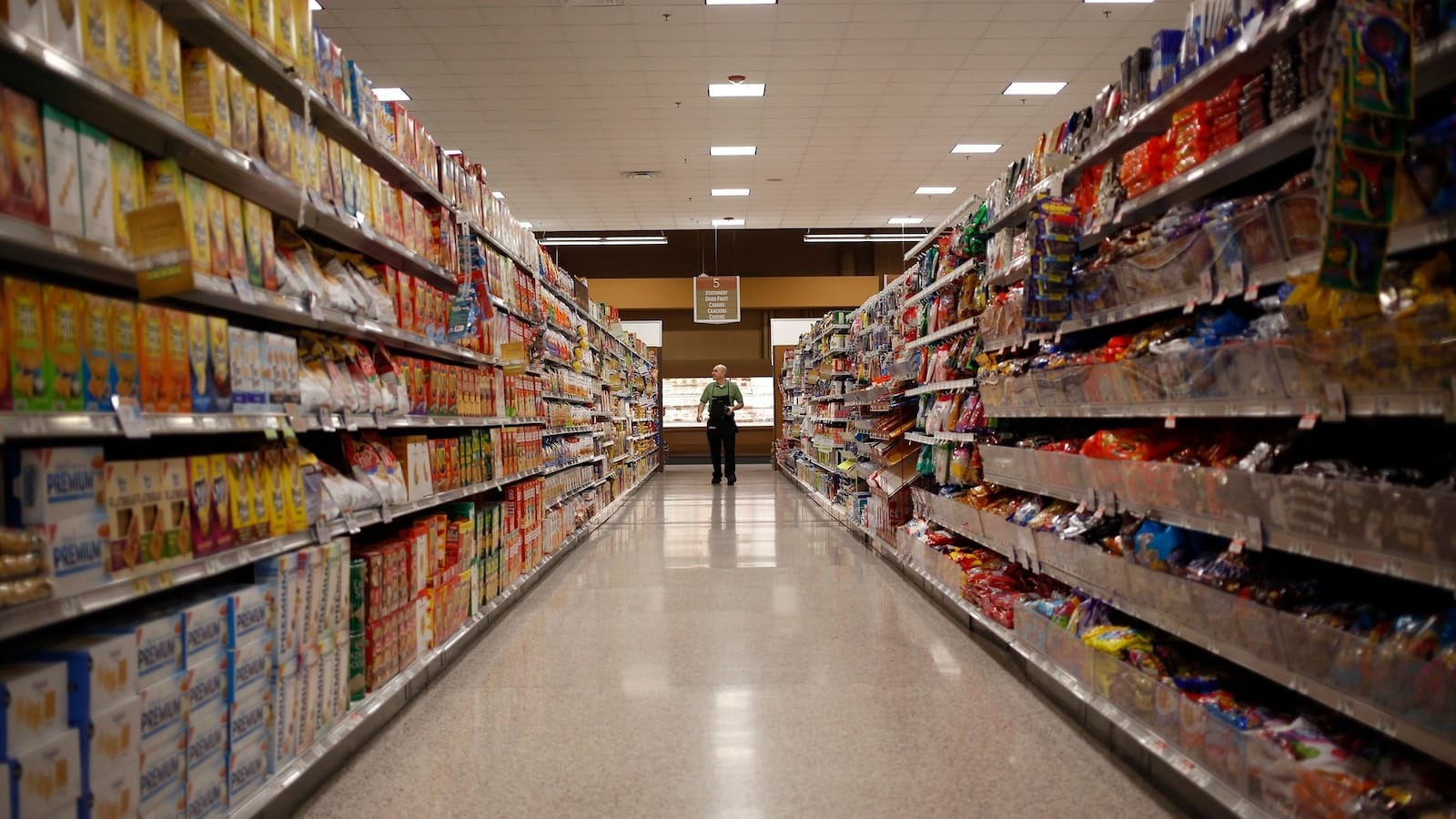
The Great Snack Attack: Government Bans Junk Food, Decides What’s Healthy for You
Listen up, folks. Forget about inflation, forget about the border crisis for just a second, because there’s a new development in the nanny state agenda, and it’s coming straight for your grocery cart. The government, specifically the U.S. Department of Agriculture and the Department of Health and Human Services, decided that they know exactly what you should and shouldn’t be eating, particularly if you rely on food stamps to feed your family. This isn’t just about a couple of states making noise; this is a full-blown federal offensive against personal choice, cloaked in the flimsy disguise of “public health.” They’re not just offering advice anymore; they’re taking away your options, one soda at a time. The latest big news? Virginia is set to lead the charge, banning certain food items from being purchased with SNAP benefits starting as early as 2026, and a whole host of other states—18 in total—have gotten the green light to implement similar restrictions. What a time to be alive, right? Where we’ve got politicians who can’t figure out how to keep the power on in a heatwave but are absolutely certain about the nutritional value of a bag of chips for someone struggling to make ends meet.
The New Moral Policing: A Timeline of Control
Let’s break down how this whole thing went from a fringe idea to a full-blown federal initiative. For decades, the philosophy behind SNAP benefits was simple: alleviate hunger. The program aimed to give low-income households the resources to purchase food for themselves, allowing them the dignity of making their own choices, just like anyone else with cash in their pocket. The idea was to trust people to make decisions for their families. But that all changed once the health industrial complex decided that obesity was a bigger problem than starvation. This policy shift started quietly, with advocates for health reform pushing the narrative that a significant portion of SNAP funds were being used on “unhealthy” items like soda and candy. The logic, as flawed as it is, suggests that by removing these options, recipients will magically switch to organic vegetables and lean protein. This ignores the massive cost discrepancies between healthy food and processed food, particularly in low-income areas where access to fresh produce is often non-existent, a phenomenon known as a food desert.
The first serious rumblings of this new policy direction came years ago when various states started requesting waivers from the USDA to restrict purchases. The process was slow and often met with resistance, largely due to the administrative headache and ethical questions involved. But something shifted recently. The floodgates opened. Six more states have just joined the growing list, and Virginia’s approval is particularly significant because it signals a major win for the health crusaders. The timing is important here: the USDA and HHS approval indicates that this isn’t just a state-level political stunt; it’s a coordinated federal effort. They’re basically saying, “We approve of you controlling what poor people eat.” The media narrative, which has been spun to present this as a benevolent act of public health, conveniently glosses over the fundamental issue of paternalism.
This timeline of control continues with specific bans being rolled out. In Virginia, it’s soda first. The plan is to get rid of sugary drinks, which often act as a cheap source of calories, and then move on to other items. But let’s be real, this is just the tip of the iceberg. The states are already discussing expanding these bans to include things like sugary cereals, pre-packaged meals high in sodium, and certain types of snack foods. The stated goal is to “improve health outcomes,” which sounds nice on paper, but in reality, it creates a second-class citizenship system for those on assistance. Imagine having to stand in line at the grocery store, separate your purchases into “approved” and “unapproved” piles, and face the judgment of cashiers and fellow shoppers. It’s a return to the old stigma of welfare recipients being treated like children who can’t manage their own money.
The Slippery Slope: What’s Next for the Food Police?
The implications of this policy are far-reaching and, frankly, terrifying. We’re talking about a level of government overreach that should make everyone, regardless of political affiliation, feel uneasy. This isn’t just about food; it’s about setting a precedent for behavioral control. If the government can dictate what you eat because they pay for your food, what’s next? Will they start dictating what kind of clothes you buy or what kind of transportation you use if you receive other forms of government assistance? The argument that this saves money on healthcare costs down the road by preventing obesity is tenuous at best, given the overwhelming evidence that access to affordable, quality food, not simple bans, is what truly improves health in low-income communities.
Let’s consider the real-world impact. For a single mother working two minimum-wage jobs and relying on SNAP, convenience is key. A frozen pizza or a quick, affordable snack can be the difference between getting dinner on the table for her kids and not. The “healthy” alternatives are often significantly more expensive and require more time to prepare. When a head of lettuce costs more than a two-liter bottle of soda in certain neighborhoods, telling someone to buy salad instead of soda is not a public health intervention; it’s class warfare. This policy essentially punishes people for not being able to afford better choices, instead of addressing the systemic issues that make unhealthy food cheaper and more accessible.
The food industry itself is divided. On one hand, you have the powerful soda and snack lobbies, which will fight tooth and nail to protect their market share. On the other hand, food retailers face the daunting task of reconfiguring their systems to block specific items, which creates logistical nightmares and added costs. The implementation details are often overlooked by policymakers but are a massive burden on businesses and recipients alike. The most likely outcome is increased frustration and a black market for SNAP-eligible items, where people try to find workarounds to buy what they actually need.
This whole debacle reeks of hypocrisy. We live in a society where a significant portion of the population is struggling with food insecurity, and instead of focusing on increasing benefits or addressing the root causes of poverty, the government chooses to moralize about individual food choices. The political theater surrounding this issue is designed to demonize the poor, suggesting they are too irresponsible to make their own choices. It’s a classic divide-and-conquer strategy: create an “us vs. them” mentality, where taxpayers feel righteous about restricting the choices of benefit recipients.
The approval for these waivers in 18 states, including Virginia, is a clear sign that this policy is gaining momentum. If this trend continues, we will see a widespread implementation of these restrictions across the country. The future of SNAP benefits, once a symbol of basic human dignity, is being transformed into a tool for social engineering. The question isn’t whether junk food is healthy or not; the question is whether we, as a society, believe that the government has the right to micromanage the lives of its most vulnerable citizens. It’s a scary thought when you realize a bureaucrat in Washington is deciding what a struggling parent can put in their child’s lunchbox. We should be outraged, not grateful, that Big Brother is now checking our receipts.
Photo by Ri_Ya on Pixabay.