The ‘Turn the Lights Off’ Trend and the Manufactured Nostalgia Trap
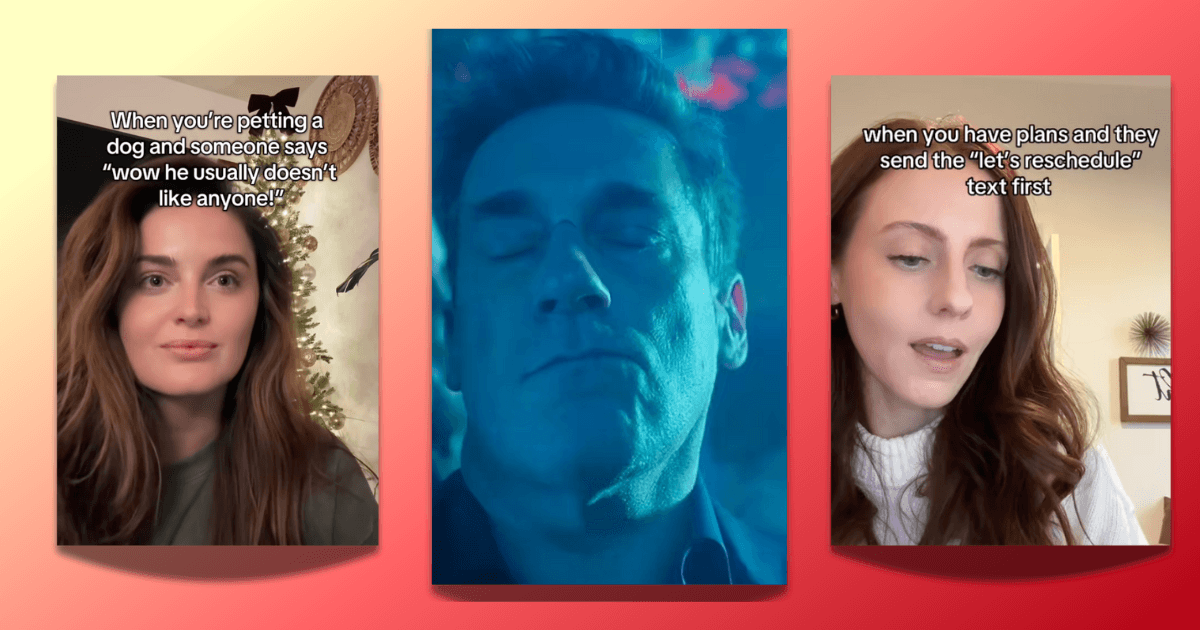
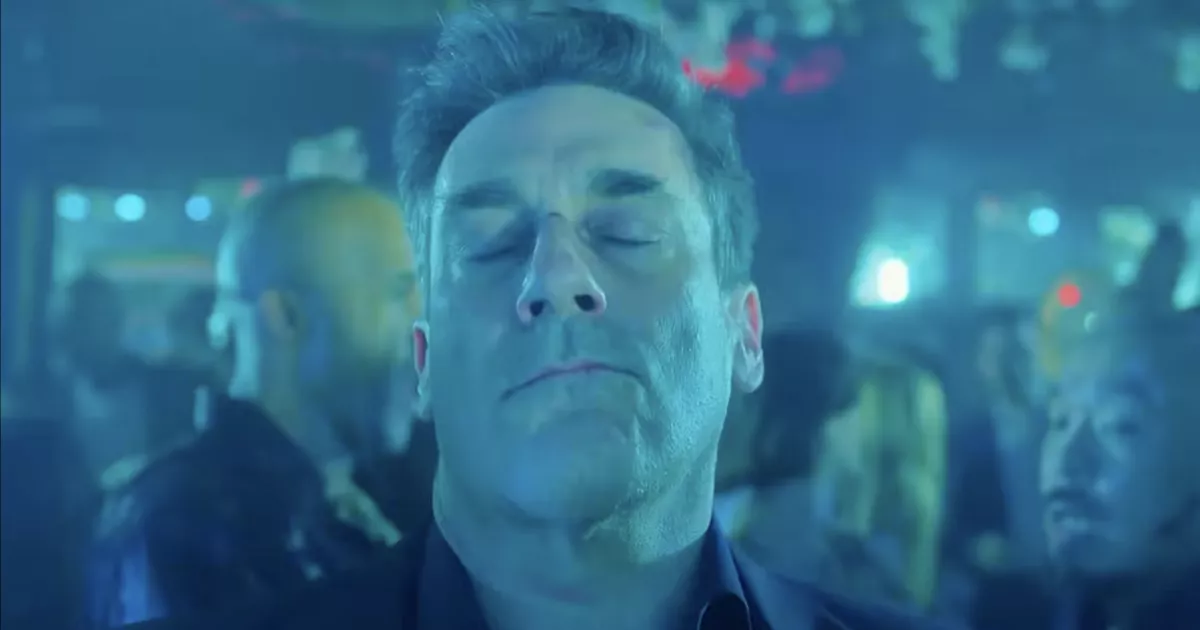
Let’s cut through the noise right off the bat because something about this whole situation just smells a little too clean, a little too perfectly packaged for the algorithms that rule our lives, and you know I’m not here to coddle your expectations with sugary sweetness about organic internet joy. The recent explosion of a very specific clip—Jon Hamm, of all people, doing a slightly awkward, vaguely nostalgic club dance from a new TV show—has taken over TikTok under the umbrella of the ‘Turn the Lights Off’ trend. Now, on the surface, it looks like just another silly internet phenomenon, a collective moment of nostalgia where we all reminisce about the mid-2000s when things felt…different. More authentic. More human. But peel back that thin veneer of manufactured sentimentality, and you start to see the gears grinding beneath, revealing a much more insidious reality where our cultural memories aren’t our own anymore; they’re just products being pushed by a very calculated machine.
You’ve seen it. Hamm’s character from the Apple TV+ series Your Friends & Neighbors is out there in the club, living his best life, and a generation starved for genuine connection is eating it up. It taps into that specific yearning for a time before everything was optimized for maximum engagement, a time when a night out really felt like a night out, not just content creation for a future post. But here’s where the populist alarm bells start ringing louder than a 2007 club banger: why this clip, why now? Jon Hamm has been a pop culture staple for decades. He’s been in plenty of things, including the seminal work that defined an era—Mad Men—which is arguably far more culturally resonant than whatever new show Apple is pushing. Yet, it’s this specific, seemingly random scene that goes supernova. It’s not an accident. It’s curation, and not the kind that happens naturally.
When we talk about the ‘vibe shift,’ we’re not talking about a spontaneous cultural occurrence. We’re talking about a corporate strategy designed to sell you things. The trend’s title, ‘Turn the Lights Off,’ couldn’t be more on the nose. We are in a state where the bright lights of genuine, original culture have been dimmed by the endless scroll of calculated content, leaving us grasping for shadows of a past that wasn’t perfect, but at least felt real. The system, The Machine, Big Tech, whatever you want to call it, understands that nostalgia is the cheapest and most effective emotional lever available. It pulls on our heartstrings and makes us confuse a product with a memory, making us believe that buying into this new show or this new trend is somehow equivalent to reliving our youth. It’s a cheap substitute for real connection, and the algorithm is just rubbing our noses in it, daring us to resist. The fact that the source is an Apple TV+ show—a streaming service from a trillion-dollar corporation whose main goal is ecosystem lock-in—should make everyone immediately suspicious of the ‘spontaneity’ of this trend. They want you to think it’s just a bunch of people having fun. But really, it’s a very specific piece of media being amplified at exactly the right cultural moment to maximize exposure for a product that otherwise might be lost in the streaming content ocean.
The Algorithm’s Calculated Nostalgia Engine: From Organic Trend to Corporate Product Placement
Let’s talk about how this actually works, because it’s important for us, the people, to understand how we are being manipulated. This isn’t just about a meme; it’s about the erosion of organic culture itself. Think about it: a trend explodes seemingly out of nowhere, right when a new show from a major studio needs promotion. Coincidence? Absolutely not. This entire cycle, from the initial clip’s appearance to its mass adoption by ‘influencers’ (a word that should itself be a red flag), is part of a sophisticated, high-burst, high-velocity marketing campaign. It’s a coordinated effort, often involving paying large-scale creators to seed the content into the cultural zeitgeist. These creators, often without transparency, push the narrative that something is ‘going viral’ when in reality, it’s being artificially inflated to create the illusion of grassroots adoption. They are pulling the wool over your eyes while you happily dance to the tune they’ve selected. It’s the ultimate ‘vibe check’ where you fail by believing the vibe is real.
The data from the scraped source confirms the core components: ‘Jon Hamm club scene,’ ‘Explaining TikTok’s ‘Turn the Lights Off’ trend,’ ‘Jon Hamm’s dancing meme explained.’ This isn’t reporting; it’s a feedback loop. The corporate media then picks up the ‘viral trend’ and reports on it as if it truly happened organically, creating a positive feedback cycle that validates the initial push. The entire ecosystem, from the social media platform (TikTok) to the streaming service (Apple TV+) to the entertainment news cycle, works in perfect synergy to convince you that this new piece of content is relevant, important, and worthy of your attention. They are selling you nostalgia as a product, packaged neatly in a 15-second loop. The real issue is that this manufactured nostalgia replaces genuine, shared experience. We used to create trends through physical proximity, through shared cultural experiences that weren’t curated by an algorithm. Now, our memories are being fed back to us in bite-sized pieces, pre-chewed and digested for maximum corporate efficiency. The fact that we are so starved for authentic connection that we embrace this synthetic experience shows just how successful The Machine has been in isolating us.
The deep-seated appeal here, beyond the immediate fun of the trend, lies in the fact that Hamm’s character and dance style specifically harken back to the early 2000s, an era before social media fully dominated culture. It’s a nostalgic longing for a time when being a little awkward in a club wasn’t immediately recorded, judged, and broadcast to millions. It’s a yearning for privacy in public life, for imperfection, for a time when things felt less staged. The corporate entity knows this. They understand exactly what triggers that feeling in us. So they present us with an image of that lost era, but through the high-definition, slickly produced lens of a modern streaming show. It’s a digital simulacrum of the past, designed to make you click ‘subscribe.’ We are essentially paying to watch a recreation of a time we miss, instead of creating new memories for ourselves. This is the ultimate corporate trap: monetizing our very memories against us.
The Resistance and Reclaiming Our Cultural Identity
So, where does that leave us, the people caught in this web of engineered nostalgia? The first step in winning this fight is understanding that it’s not just a harmless trend. It’s a battleground for cultural autonomy. We have to stop accepting that everything we find online is a genuine, organic expression of collective sentiment. We must recognize when we are being fed corporate content masquerading as grassroots culture. This requires a shift in mindset from passive consumption to active skepticism. We have to ask ourselves: Why does this feel so familiar? Why is this particular clip resonating so strongly? And more importantly, who benefits from this widespread resonance?
The problem is that the corporate machine has gotten so sophisticated that they have learned to co-opt the very language of resistance. They know we like irony; they know we like to critique things. So they make their products slightly awkward, slightly self-aware, to give us the illusion that we are in on the joke. But we aren’t. We’re just cogs in a larger machine designed to generate engagement and profit. The Jon Hamm trend is a perfect example of this. The awkwardness of the dance is part of its appeal. It feels relatable, anti-establishment, a little bit goofy. But this ‘anti-establishment’ aesthetic is itself a product being sold by the establishment. It’s a very clever form of cultural jujitsu where they take our desire for genuine, unpolished content and turn it into a high-value asset for their platform.
The real fight is for genuine cultural space where we can create and share ideas outside the constraints of the corporate algorithms. We need to find ways to connect in ways that aren’t mediated by a for-profit entity like TikTok or Apple TV+. We need to reclaim our memories from the hands of those who would profit from them. The ‘Turn the Lights Off’ trend offers a brief glimpse into what we miss, but we cannot afford to just passively reminisce about the past. We have to actively create a new, present-day culture that isn’t dependent on recycling old aesthetics for a new generation. We have to turn the lights back on, not by consuming more corporate content, but by finding authentic human connection that bypasses the screen altogether. This fight for cultural autonomy is just beginning, and this Hamm trend, while seemingly insignificant, serves as a stark reminder of who holds the power and how easily our memories can be weaponized for sale to the highest bidder. Don’t let them win. Fight back against the synthetic vibe. Don’t let them tell you what to remember.