
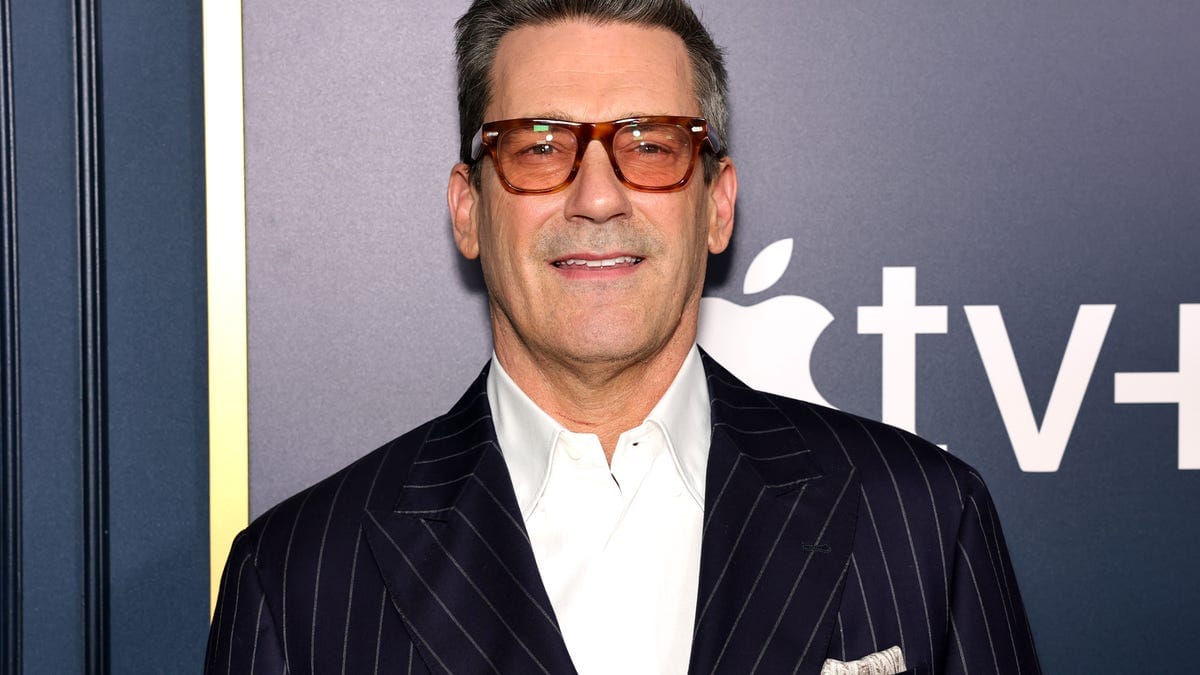
The Panic Alarmist’s Guide to Why the Jon Hamm Meme Will End Civilization
Is this just a silly dance, or a symptom of something far worse? Let me tell you, it’s not just a dance. It’s a warning. We’re witnessing the slow-motion collapse of context, and the Jon Hamm dancing meme from TikTok is the canary in the coal mine. A generation (or maybe two) of media consumers is taking one of the most complex, layered, and deeply melancholic characters in television history—Don Draper—and reducing him to a five-second loop of him awkwardly moving to some generic beat. This isn’t just entertainment; it’s cultural degradation. We used to admire the depth of a character’s journey; now we just like how he looks when he’s trying (and failing) to be cool. This is exactly what the social media giants want: for us to forget the narrative and just focus on the easily digestible, context-free fragments that keep us scrolling, scrolling, scrolling right off the cliff.
What exactly ARE we looking at? The Source of the Infection.
Where did this whole thing come from? The source is Mad Men, obviously. The specific scene in question, where Don Draper and Roger Sterling are dancing (or rather, just moving their arms and bodies in a way that suggests they are *attempting* to dance) to a song in a club, is usually pulled out of context. The actual context is crucial, though, and it’s what makes the current obsession so deeply alarming (at least to anyone who actually watched the show). Mad Men spent seven seasons dissecting the American psyche in the 1960s, exploring themes of identity crisis, the fleeting nature of happiness, and the hollow pursuit of the American dream. Don Draper, specifically, is a character built on secrets and facades, constantly struggling with who he really is versus who he pretends to be. The dancing scene (or similar scenes, depending on which exact clip is trending this week, as the internet loves to find new ways to exploit old content) is not just a ‘fun moment.’ It’s often imbued with the show’s underlying tension. It showcases the awkwardness and sometimes desperate attempts of these characters to fit into a changing social landscape, to find joy in a world they are simultaneously trying to sell products to and run away from.
Why is this happening now? The TikTok Algorithm’s Plan to Destroy Long-Form Storytelling.
Why is this particular clip taking off right now? Because we are in a state of crisis. Our collective attention span has been decimated by an endless stream of algorithmically generated junk food (you know, those short, pointless videos where someone just points at text or does a quick, easy dance). The TikTok algorithm has realized that a great way to generate engagement—and by engagement, I mean addiction—is to take existing pop culture artifacts (IP) and strip them of all meaning, serving them up as a new ‘trend’ for users who have never seen the source material. This isn’t appreciation; it’s exploitation. It’s like taking a page out of Tolstoy and just passing around the last five words because they ‘look cool.’ We are actively training ourselves to not understand context. We are choosing to engage with a four-second snippet over a 48-minute episode. The very act of watching a long-form narrative, where character development builds over time and where a dancing scene has meaning because of what happened in the previous six episodes, is becoming a lost art. We’re conditioning our brains to crave instant gratification. It’s a disaster, frankly. It is all going to hell in a handbasket and we are clapping along.
The Broader implications: Cultural Anesthesia and the Death of Nuance
What does this mean for the future of entertainment? The implications are catastrophic, I tell you. If we reduce everything to a meme—if we take a show as complex as Mad Men, or Breaking Bad, or any piece of serious art, and turn its most poignant moments into little snippets that new generations consume without context—then we are actively killing nuance. Nuance requires patience, it requires time, and it requires a willingness to engage with complexity. TikTok, Instagram Reels, and YouTube Shorts are designed specifically to eliminate patience. They are designed to reward speed and superficiality. So, when this new generation sees Don Draper dancing, they don’t see a man struggling with existential dread and trying to cope with a world that is moving faster than he is. They see a ‘funny old guy dancing’ and they click ‘like.’ This isn’t harmless fun; it’s cultural anesthesia. We are numbing ourselves to the very things that make art meaningful. The studios, seeing the engagement numbers, will simply stop investing in nuanced, long-form storytelling. Why bother when they can just re-cut an old show and generate millions of views with a single snippet? We are incentivizing creative bankruptcy. The well is drying up, and we’re just dancing around it like we’re having a party. It’s a panic attack waiting to happen.
The Inevitable Outcome: The End of Legacy and the Rise of the Algorithm Overlord
So, what happens next? The current trend cycle, where old content is recycled and recontextualized without any understanding of its original meaning, will become the default mode of cultural consumption. Think about it. The Jon Hamm meme, the Mad Men club clip, is just one example of a much larger trend. We see it everywhere (parenthetical interjection: the recent obsession with Frasier or The Sopranos clips on social media, often presented completely out of context). This isn’t nostalgia; it’s intellectual theft. We are stealing from the past without paying attention to the lessons it tried to teach us. The legacy of Don Draper—a character who spent years trying to figure out if he was even real—is now reduced to a dance move. This is the ultimate betrayal of artistic intent. The algorithms don’t care about intent; they only care about engagement. They are reprogramming us. We are becoming Pavlovian consumers, reacting to stimuli (the quick clip) without ever understanding the source. It’s a terrifying future where art is no longer created to be consumed, but rather to be atomized and weaponized for clicks. The panic alarm is sounding. We need to turn off our feeds and start reading books again before we lose the ability to think critically. It’s too late for most of us, probably. Just keep scrolling (that’s what they want you to do, keep scrolling). The Jon Hamm meme is just the beginning of the end. It’s-a-Sign-of-the-End-Times-Saga. We are officially going off the rails.
A Deeper Dive into the Mad Men Scene Itself
Let’s break down the actual scene, in case you still think it’s just ‘a fun dance.’ The scene in question—or one of them—often involves Don Draper and another character, sometimes Roger Sterling, in a moment that highlights their disconnect from the current generation. The music often feels out of place (and usually, it’s not the generic pop song that’s layered over it in the meme). The characters are trying too hard to fit in with a younger crowd, or they are using the dancing as a coping mechanism. Don Draper’s attempts at socializing are always tinged with desperation and existential dread. He’s never truly happy. He’s always trying to escape himself. To take this deep, dark, complex moment and call it ‘just a funny dance’ is a failure of empathy. It’s a failure of media literacy. It’s a failure of… well, everything. The very essence of the show is built on these subtle, often awkward interactions. To see it reduced to a viral clip is to see the very soul of storytelling evaporate into the digital ether. We are a generation of emotional illiterates being raised on content that has no emotional depth beyond a quick dopamine hit. The panic is real. The meme is a sign of a society that is literally incapable of processing complex emotions anymore. The Jon Hamm dancing meme is a joke. The real joke is on us for consuming it. We’ve completely lost the plot. The end.
Photo by joncressey on Pixabay.