JetBlue’s Big Bet: Why ‘Mini Mint’ Signals the End of Their Identity
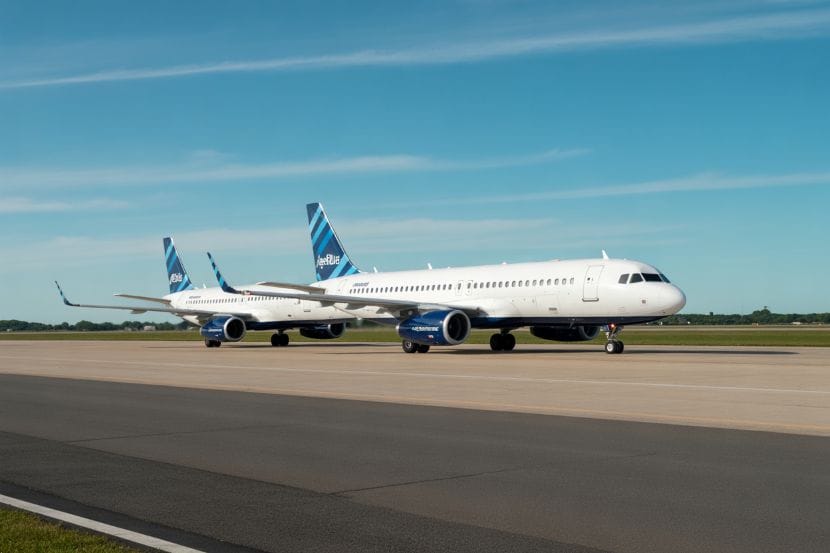
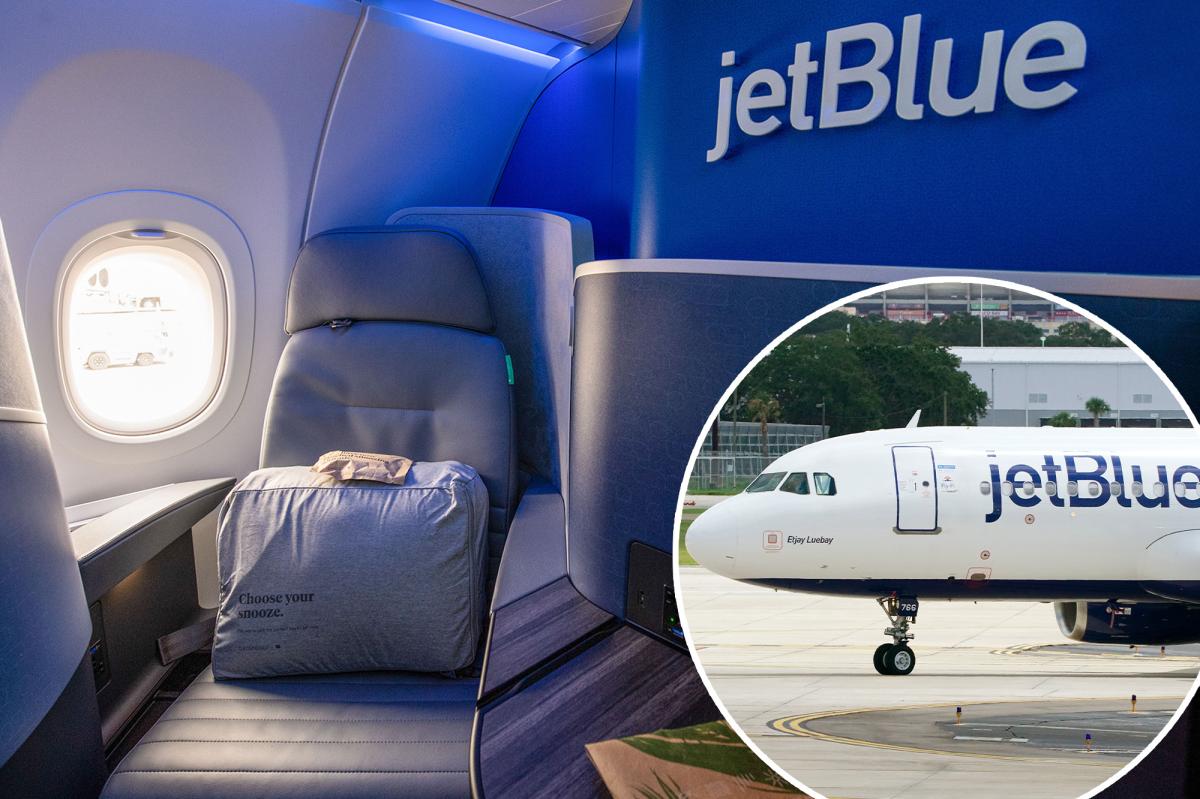
And so, it finally happens. JetBlue, the airline that once dared to suggest that economy-class passengers deserved a little respect—a decent TV screen, some legroom, and free snacks that weren’t just glorified air—is finally pulling the plug on that whole ‘nice guy’ act. Because, let’s face it, being nice doesn’t maximize shareholder value in a cutthroat industry where every legacy carrier has perfected the art of nickel-and-diming customers into oblivion. Now, JetBlue wants in on that action, and they’re doing it with a new domestic first class called ‘Mini Mint’ or ‘Junior Mint,’ which sounds like something you’d find at a movie theater concessions stand, not a premium travel experience. It’s a transparent cash grab, plain and simple, and it completely obliterates the very foundation the airline was built on. But let’s not be naive; a company always goes where the money flows, even if it means sacrificing every single principle they started with. The revolution JetBlue promised has officially ended in a surrender to the status quo, and we, the flying public, are once again left to wonder if any airline really cares about anything beyond the bottom line.
The Great Betrayal: From Low-Cost Savior to Legacy wannabe
But let’s talk about what this really means, because this isn’t just about adding a new seating option; it’s about an identity crisis on steroids. JetBlue entered the market decades ago as a breath of fresh air, a disruptive force that challenged the old guard—American, Delta, United—by offering a superior product at a competitive price. They were the cool kids on the block, the ones who gave you a little extra legroom without charging you an arm and a leg, and their in-flight entertainment system was actually something to write home about, or at least something to keep you from staring at the seatback in front of you for three hours straight. But now, they’re morphing into exactly what they once claimed to despise. The introduction of ‘Mini Mint’ isn’t just an upgrade; it’s a signal that JetBlue has decided to stop trying to be different and instead become just another carbon copy of the legacy carriers, focusing all their energy on extracting maximum profit from a small group of high-value travelers while leaving everyone else in the back to fend for themselves. This move is less of a revolution and more of a predictable corporate capitulation to the standard industry model, where the premium passenger is prioritized above all else. And for those of us who remember a time when JetBlue was actually innovative, this feels like a genuine betrayal of the original mission.
The Name Game: ‘Mini Mint’ vs. Reality
And we have to discuss the naming convention, because ‘Mini Mint’ sounds less like a luxury product and more like a bite-sized version of something that was already slightly disappointing. Mint, JetBlue’s existing international premium service, is generally well-regarded as a high-value business class product that punches above its weight. But ‘Mini Mint’ or ‘Junior Mint’ on a domestic route suggests something watered down, a lesser experience packaged in a fancy bow for domestic travel. It’s almost satirical in its honesty; JetBlue isn’t even pretending this is true first class in the traditional sense, but they know exactly how to market it to a populace conditioned to believe that ‘first class’ automatically equals luxury, even if it’s just a slightly wider seat with a plastic divider. The cynical reality here is that JetBlue needs to find a way to compete with legacy carriers’ domestic first-class cabins without actually investing the capital or space required for a truly premium product. So, they call it ‘Mini Mint,’ hoping to leverage the brand recognition of their international product while delivering something that probably equates to a slightly better version of what used to be available in economy. This is what we call ‘premiumization’ in marketing speak, but in reality, it’s just a clever way to charge more for less.
The Economics of Desperation: Why JetBlue Is Pulling This Stunt
Because let’s not pretend this move comes from a place of strength or a genuine desire to improve the customer experience across the board. This move stems directly from a position of financial vulnerability. JetBlue’s recent financial performance has been, shall we say, less than stellar, with high debt levels and significant losses. The airline has been struggling to find its footing post-pandemic, especially in a landscape dominated by powerful legacy carriers and aggressive ultra-low-cost competitors like Spirit and Frontier. JetBlue tried a high-stakes gamble to acquire Spirit Airlines, a deal that was ultimately blocked by regulators because it would harm competition by further consolidating the low-cost market. And when that huge bet failed, JetBlue was left scrambling for a new strategy to boost revenue and appease shareholders who are demanding profitability. The most reliable way for an airline to boost profitability quickly without radically altering its operations is to introduce or expand high-margin premium products. First class and business class seats are where the real money is made in aviation; a single first-class seat can generate as much revenue as five or six economy seats, significantly boosting revenue per available seat mile (RASM). So, while JetBlue might dress up ‘Mini Mint’ as an innovation for customers, it’s actually a desperate attempt to shore up their balance sheet following a failed merger attempt that left them exposed. This isn’t about giving you more; it’s about taking more from you, and it’s a direct response to their financial woes.
The Future of Economy: A Bleak Outlook
But what does this new focus on first class mean for the rest of us crammed into the back of the plane? Historically, when an airline shifts its focus to premium cabins, the quality of service in economy inevitably declines. Because when a company prioritizes high-value customers, the resources and attention shift accordingly. We’ve already seen signs of this trend: JetBlue has cut back on some amenities in standard economy over the years, and their legroom, while still better than many competitors, isn’t quite as generous as it once was in some configurations. The cynical prediction here is that ‘Mini Mint’ will lead to a further degradation of the economy experience, as resources are reallocated and the airline seeks new ways to justify a lower price point for standard seats by stripping out existing perks. Because if you’re going to charge premium prices for ‘Mini Mint,’ you have to make the economy cabin less appealing to justify the upgrade cost, which means we can likely expect smaller seats, fewer freebies, and possibly even more fees for things that used to be standard. The era of JetBlue as the friendly, ‘better for everyone’ airline is dead, replaced by a ruthless corporate model where the flying experience is strictly determined by how much you’re willing to spend. The ‘Mini Mint’ isn’t just a new product; it’s a new philosophy, and it’s one where the average traveler loses out significantly.
The Rise of Premiumization: A Broader Trend in Aviation
And let’s be fair; JetBlue isn’t doing anything new here; they’re simply following a broader industry trend toward ‘premiumization’ that has taken hold in aviation over the past decade. Every airline, from legacy carriers to ultra-low-cost airlines, is trying to create distinct seating categories to maximize revenue. You see it everywhere: basic economy, standard economy, economy plus, premium economy, business class, and first class. This strategy allows airlines to capture every possible dollar from every possible passenger demographic. JetBlue’s move with ‘Mini Mint’ is simply their latest step in this evolution, turning a once-simple business model into a complex, tiered pricing structure designed to extract every last cent from travelers who prioritize comfort and convenience. But the real consequence of this trend is that the middle class of flying—where you got a decent experience at a reasonable price—is disappearing. You either pay significantly more for a marginally better product, or you accept a significantly worse experience in basic economy. The ‘Mini Mint’ effectively eliminates JetBlue’s identity as a ‘value-added’ low-cost carrier and cements its new identity as a ‘premium-heavy’ airline that caters primarily to high-end business travelers and wealthy leisure passengers. It’s a sad state of affairs, but it’s a predictable one. Because when a company reaches a certain size, profit always triumphs over principle. Always. This isn’t a revolution, it’s just business as usual, and it sucks.