The Hollywood Fantasy vs. The Uncomfortable Truth
Let’s cut through the noise, shall we? Every time a celebrity couple celebrates a milestone anniversary, especially one that stretches past the decade mark, the media goes into full-blown ‘fairy tale’ mode. It’s all breathless articles about ‘enduring love’ and ‘relationship goals.’ But let’s be real: for most of the population, a 40-year marriage isn’t a miraculous event; it’s just, well, life. The fact that Jamie Lee Curtis and Christopher Guest’s upcoming 41st anniversary is considered newsworthy at all tells you everything you need to know about how far gone the Hollywood machine truly is—it’s a system so fundamentally broken that basic commitment now qualifies as a headline-grabbing anomaly, something a little too much like a unicorn sighting in a place where only donkeys usually roam.
The spectacle of Hollywood relationships, particularly in an era dominated by fleeting digital connections and high-stakes financial calculations that make a prenup feel like a hostile takeover, is usually a masterclass in performative instability. We see a new couple every week, they flaunt their ‘love’ for a few months, and then the whole thing implodes, usually with a messy public divorce and a new set of dating headlines for the next cycle. The industry thrives on this chaos. It’s a revolving door of drama that keeps the gossip magazines humming and the public distracted from a far more unsettling reality: that the elite class views relationships as utterly disposable. They’re not building families; they’re building brands. And brands, unlike real people, can be retooled, rebranded, or completely discarded when they stop generating revenue.
The Anomaly of Christopher Guest’s Low Profile
What makes the Curtis/Guest relationship truly baffling to the Hollywood establishment isn’t just the length, but the sheer lack of drama. Christopher Guest, a genuine talent in his own right, has deliberately avoided the spotlight. He’s not a Kardashian; he’s not preening for the cameras or trying to become a social media sensation. He’s an artist and a family man who values privacy above all else. This low-key existence creates a massive conflict for the celebrity machine, which needs constant visibility and manufactured conflict to survive. How do you sell a story of ‘unbreakable commitment’ when the participants aren’t constantly posting about it on Instagram? You can’t. You can’t monetize quiet stability, so you ignore it until it reaches a point of absurdity, at which point you have to acknowledge it in a way that minimizes its true significance.
Think about it. While we’re bombarded with updates on which pop star is dating which football player, or which reality TV star is having another public breakdown, Curtis and Guest have quietly built a life together. They’ve raised children and navigated decades of personal and professional changes away from the prying eyes of the tabloids. This isn’t just about personal choice; it’s about a fundamental rejection of the very premise of modern celebrity culture. Their longevity is a direct challenge to the idea that fame and commitment cannot coexist, and honestly, that makes the elite media very uncomfortable. It suggests that perhaps the problem isn’t fame itself, but the toxic culture that has grown up around it, the culture that demands a constant feed of drama and disposability.
The Leather Dress Distraction: Media’s Smoke Screen
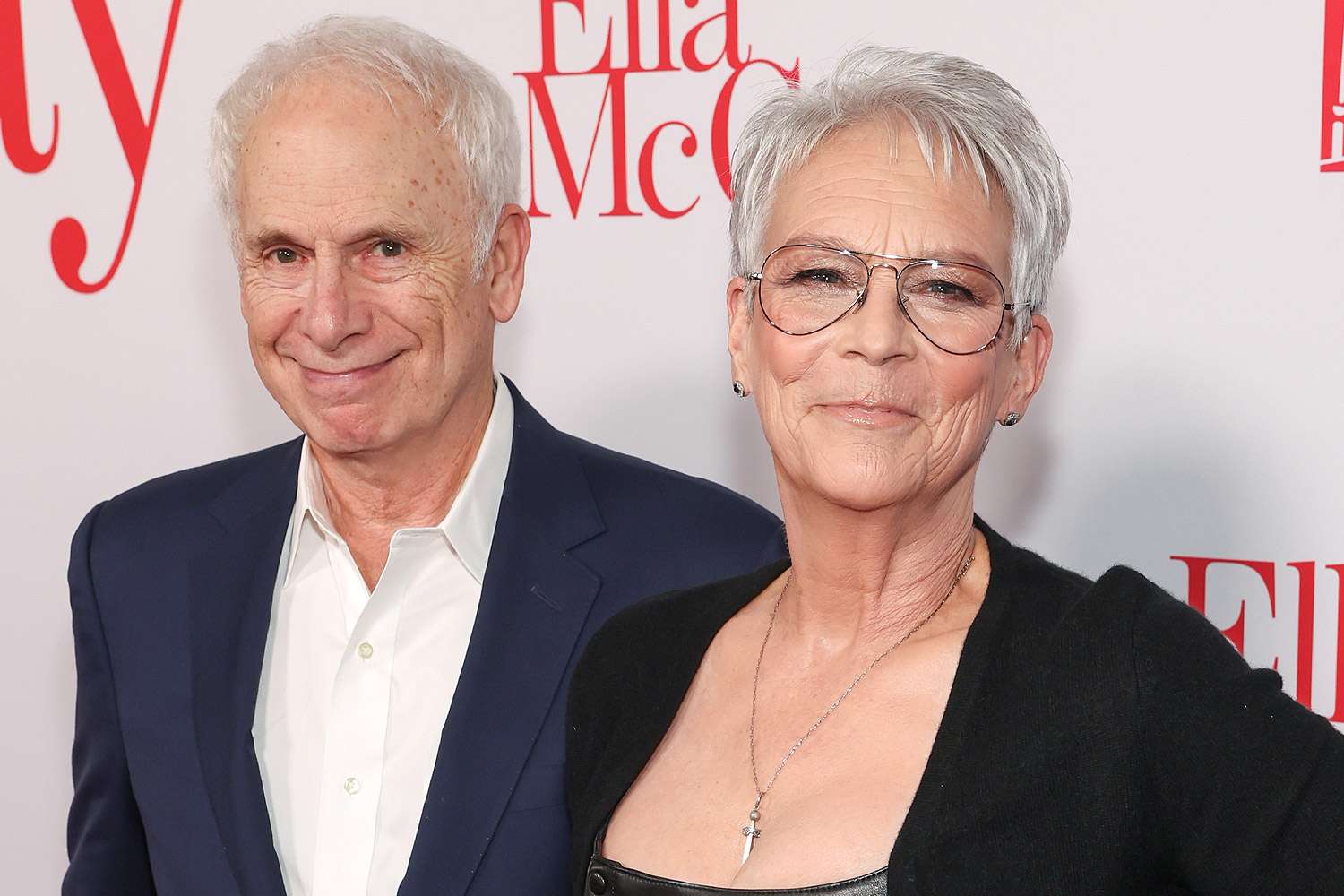
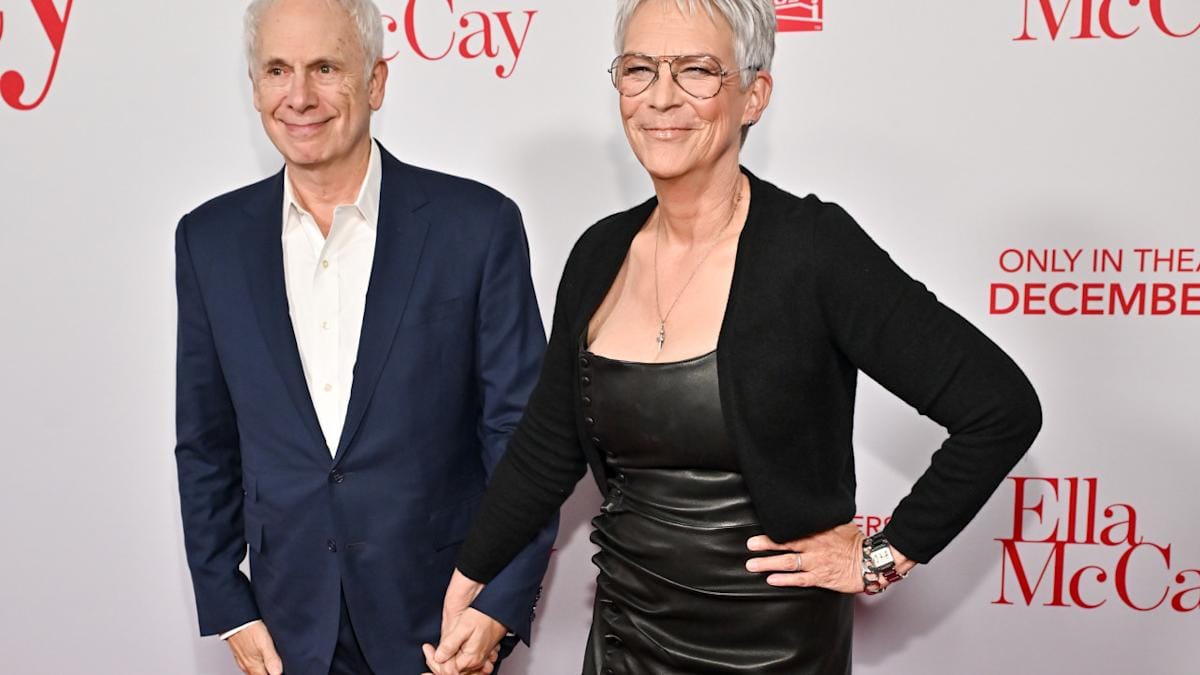
This brings us to the latest media coverage. Instead of focusing on the astounding accomplishment of four decades together, the headlines scream about a leather dress. “Jamie Lee Curtis Ditches Her Signature Style in a Daring Leather LBD Held Together With Buttons.” Are you kidding me? A leather dress is the main takeaway from a red carpet appearance that marks the beginning of their fifth decade together? This is classic misdirection, a tactic used by the corporate media to avoid discussing anything of substance. They want you focused on the buttons on her dress, not the fortitude required to survive four decades in a culture designed to tear everything apart. The fashion focus is a superficial distraction, designed to keep you on the surface level where things are safe, trivial, and easily digestible.
Why do they do this? Because discussing the actual dynamics of a long-term marriage forces a discussion about values, hard work, sacrifice, and the commitment to a shared future. These are concepts that run counter to the dominant narrative of instant gratification and self-centered pursuit of individual desires, which is the cornerstone of modern elite culture. The media would much rather you talk about a piece of clothing than reflect on why your own relationships are struggling in a world obsessed with ‘what’s next’ rather than ‘what lasts.’ It’s easier to sell fast fashion than to sell genuine substance, and the media knows this better than anyone. They’re selling a fantasy of newness and excitement, and a 40-year marriage, frankly, doesn’t fit into that sales pitch.
The ‘Us vs. Them’ Divide in Relationships
The cultural divide between Hollywood values and Main Street values has never been starker than in the arena of relationships. For the elite, relationships are transactional. They’re about power, career advancement, and public perception. You date up, you marry for connections, and when things get inconvenient or stop serving your personal brand, you move on. This isn’t love; it’s leverage. The entire system is built on this. If you listen closely to the public, you hear a deep-seated desire for stability and for relationships that aren’t just based on how good you look in a bikini or how much money you made last year. The public wants to see a real connection, a partnership that endures, because that’s what we are striving for in our own lives.
When Curtis and Guest step out, they represent a quiet rebellion against this entire paradigm. They are a living, breathing testament to the fact that you can succeed in Hollywood without sacrificing your soul, without turning your personal life into a reality TV show, and without treating your partner as a disposable accessory. They are a reminder that there are still people out there who believe in something more than just the immediate gratification of a fleeting moment of fame. They prove that you don’t have to follow the rules of a broken system to find happiness; in fact, maybe the key is to ignore those rules entirely. The average person understands this implicitly, but the corporate media refuses to acknowledge it because it contradicts their entire business model.
The Business of Instability: Why Hollywood Prefers Short-Term Flings
Let’s follow the money trail for a second. The Hollywood machine benefits significantly from high turnover in relationships. Think about the public relations cycle: a new couple forms, generating headlines, interviews, magazine covers. When they break up, it generates more headlines, more interviews, and new stories about the split. This cycle of formation and destruction creates continuous content and keeps eyeballs glued to the screen. A couple staying together for 40 years, while nice for them, is a PR dead zone. Once the initial anniversary story is done, there’s no more drama to exploit. No messy details, no accusations, no ‘he said, she said’ to sell to the masses. The system prefers chaos and instability because chaos generates more revenue than peace.
The same logic applies to the larger cultural narrative. The dominant cultural products—music, movies, and TV shows—often glorify short-term flings and demonize stability. Look at reality TV; it’s almost entirely built on temporary connections and manufactured conflict. The message is clear: commitment is boring, and true fulfillment comes from a never-ending quest for something new. Curtis and Guest challenge this directly. They are boring by Hollywood standards, and that’s precisely why they matter so much. They’re a counter-narrative, a slow-burn romance in a world that only understands explosions. They’re a throwback to a time when celebrities were people, not brands, and when relationships were built on shared history rather than shared followers and shared marketing campaigns.
The Future of Commitment in the Digital Age
It gets worse when you consider the digital landscape. Social media, with its constant validation loops and endless stream of new faces, makes long-term commitment harder than ever. We’ve created a culture where people are constantly comparing themselves to others, and where the next best option is just a swipe away. This isn’t just for celebrities; it’s affecting all of us. The elite media, by celebrating superficiality and disposable relationships, is actively reinforcing this destructive behavior. They are telling us that commitment is a burden, not a blessing.
But the public, the ‘Us,’ knows better. We understand that real life isn’t about red carpets and Instagram filters. It’s about showing up every day, even when it’s hard, and building something real with another person. Jamie Lee Curtis and Christopher Guest are a reminder of this fundamental truth. They are a beacon of stability in an ocean of manufactured chaos. While the elite media fawns over new couples and quick breakups, we should be paying attention to the quiet ones, the ones who prove that commitment isn’t dead—it’s just gone into hiding from the toxic culture that hates it so much more than anything else. Their story isn’t about ‘rare love’; it’s about a rare resistance to a system built on disposable values.