THE OFFICIAL LIE: The Savior Returns to Save Memphis
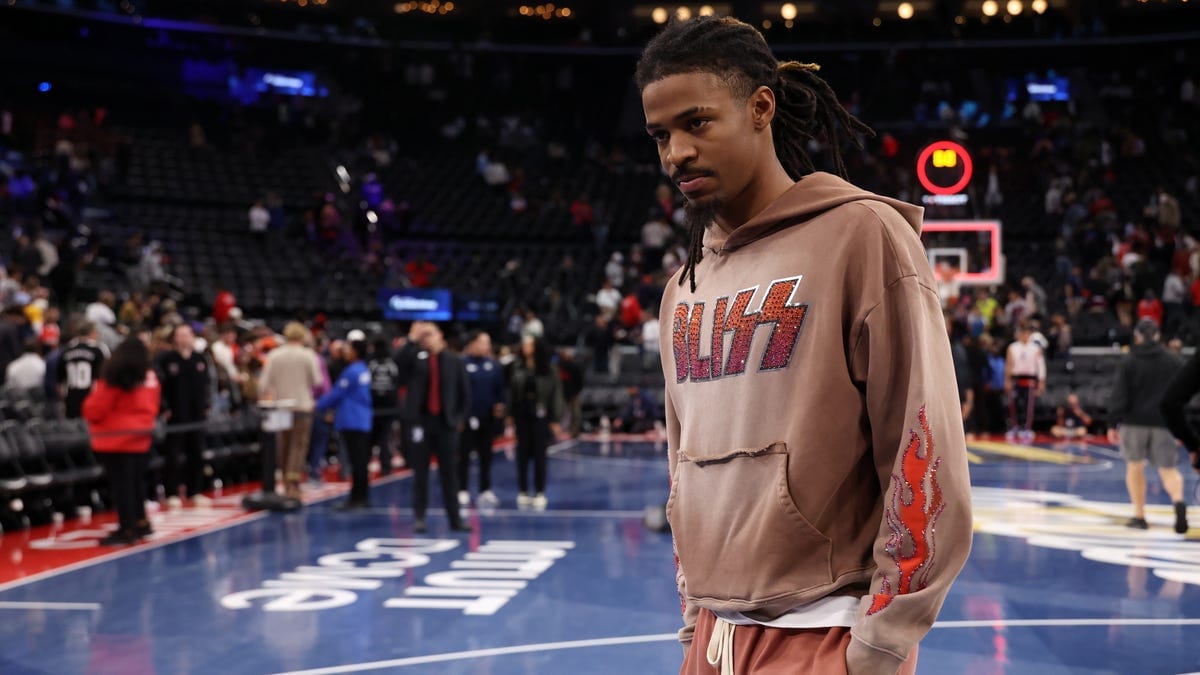
Here we go again. The lights are back on in Memphis, and the narrative machine is whirring at full speed. Ja Morant is returning, finally, after serving his time—a time-out that, let’s be honest, felt more like a calculated PR strategy than genuine penance for flashing guns on Instagram Live. The media, ever ready to turn a crisis into a feel-good story, is peddling the line that this return is the ‘ultimate test’ for Ja, a redemption arc for the ages, and the missing piece that will single-handedly vault the struggling Grizzlies back into playoff contention. He’s buying tickets for fans, he’s humble, he’s learned his lesson. It’s a beautiful, clean, polished story designed to make us forget the chaos that came before, designed to restore faith in the league’s golden boy. But let’s look behind the curtain, shall we? Because the truth, as always, is far messier than the official version they’re feeding us.
The talking heads keep asking if Ja can keep the Grizzlies ‘in a groove’—an interesting choice of words, given that the team’s best basketball of the season, a stretch where they looked cohesive and dangerous, occurred precisely when Ja was sidelined. The official line implies the groove disappeared without him, but that’s just not true, is it? The narrative they’re pushing is that the Grizzlies are a lost cause without their superstar, that the team has been floundering desperately in the deep end, waiting for their captain to throw them a life raft. This narrative is essential to justifying the hero’s welcome; without it, his return looks less like salvation and more like a potentially disruptive element to a team that finally found its rhythm.
The Free Ticket Distraction: Not a Gift, But a Payment
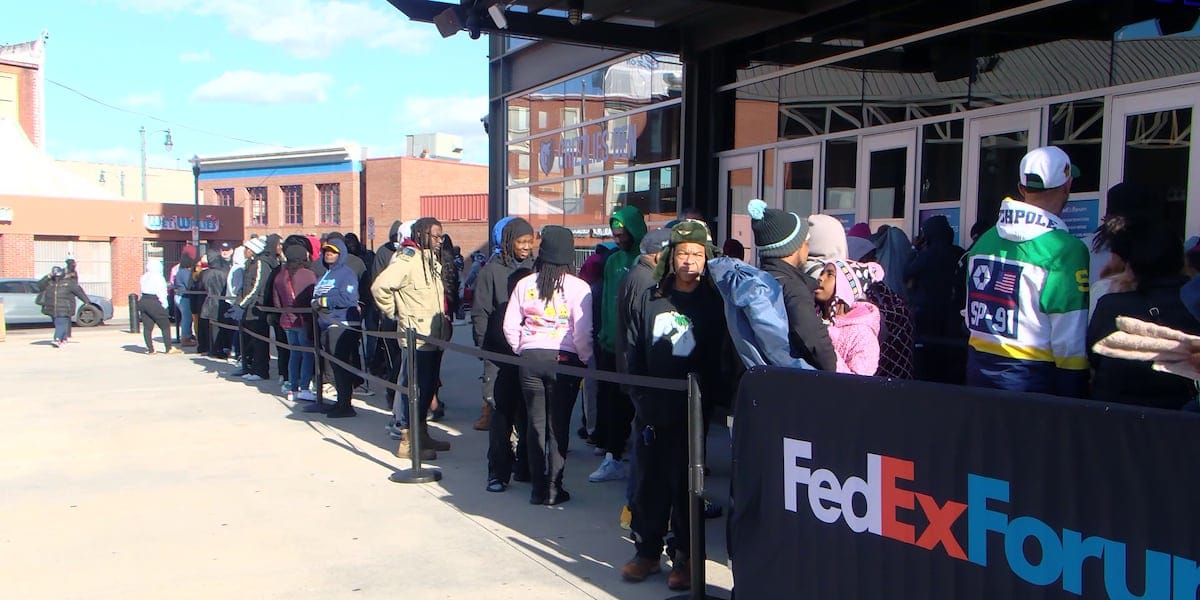
Let’s talk about those free tickets. Ja Morant buying tickets for fans for his return game against the Jazz. It’s a classic play straight out of the PR playbook. It makes him look magnanimous, connected to the community, and apologetic for his past misdeeds. It’s a grand gesture, a symbolic offering of peace to a fan base that’s been put through the wringer by his off-court antics. But think about it for a minute. Is this really a generous act from the heart of a young man, or is it a carefully choreographed move, perhaps even mandated by the organization, to ensure a full house and a positive media narrative for the big return? When a superstar with a $193 million contract buys 250 pairs of tickets, it’s not a sacrifice; it’s an investment in public perception. It’s a small price to pay to change the headlines from ‘Morant’s Return Plagued by Low Attendance and Fan Indifference’ to ‘Morant Welcomed Home by Raucous Crowd.’ It’s all about controlling the visuals for television, ensuring the atmosphere matches the ‘redemption arc’ they are so desperate to sell.
This isn’t just about Ja’s image; it’s about the bottom line for the Grizzlies organization. They’ve invested heavily in him as the face of the franchise. They need him to succeed, both on and off the court, to recoup that investment. The free tickets are a symptom of a much deeper problem: The organization is terrified that the fans might not be as eager to embrace him as the media wants us to believe. They’re trying to preempt any potential backlash or lackluster reception. The tickets are a calculated move, a form of crowd engineering to ensure the return feels like a triumph, not a forced obligation.
THE CONFIDENTIAL TRUTH: The Internal Conflict and The New Grizzlies Identity
Here’s what they won’t tell you on ESPN. The real story in Memphis over the past few months hasn’t been Ja Morant’s absence; it’s been the emergence of Desmond Bane and Jaren Jackson Jr. as true co-leaders. The team, freed from the immense gravity and ball dominance of Morant, actually found a different, arguably more sustainable, path to success. They became a more democratic offense, relying on movement and timely shooting rather than hero ball. When a star like Ja returns, especially after a long layoff, it creates a tectonic shift in the locker room hierarchy. The players who stepped up to fill the void—Bane especially, who thrived as a primary playmaker—now have to readjust. Will they resent having to go back to being secondary options? Will the team’s new-found cohesion survive the reintroduction of the old pecking order?
The Morant Dilemma: Can He Fit Back In?
The ‘ultimate test’ isn’t Morant’s skill—nobody doubts his talent; he’s one of the most exciting players in the league. The test is whether he can humble himself enough to fit into the new identity the team has forged without him. The Grizzlies learned to win without him, and in many ways, they learned a different way to win. They became a team focused on defense and efficient offense rather than high-octane spectacle. This is the confidential whisper I’m hearing from sources close to the team: The chemistry is delicate right now. Ja’s return isn’t just about adding talent; it’s about potentially disrupting a system that finally started to click. Will he accept fewer shots, or will he demand the ball back immediately? Will he understand that the team found success by not relying solely on his individual brilliance?
There’s also the question of Morant’s focus. The ‘gun flashing’ incidents weren’t isolated. They suggested a pattern of behavior and a lifestyle that conflicts directly with the professional demands of being a franchise player. The suspension was supposed to be a wake-up call, but a few months away from basketball doesn’t automatically fix deeper personal issues. The pressure on him to be perfect now is immense, far greater than before. Every off-court action, every public statement, will be magnified tenfold. This isn’t just about basketball; it’s about maturity and leadership. The Grizzlies need a steady hand at the helm, and Morant’s history suggests a volatile one. It’s hard for a leopard to change its spots, isn’t it?
The League’s Hidden Hand: The PR Playbook
Let’s not be naive. The NBA needs Ja Morant back. Adam Silver and the league office have invested significant resources in developing Morant as one of the faces of the next generation. His suspension was less about justice and more about damage control. The 25-game suspension was a calculated number designed to send a strong message without completely destroying his brand value or the Grizzlies’ season. They needed to make an example of him while ensuring he returned in time to have an impact on a potential playoff run, thus maximizing TV revenue and jersey sales. The free tickets and the media blitz around his return are not organic; they are part of a larger, carefully orchestrated campaign to rebuild his image and ensure the narrative remains favorable. This whole ‘redemption arc’ is less about Morant’s personal journey and more about the league protecting its assets.
Think about the financial implications. Ja Morant is a global brand. When he’s not playing, ticket sales fall, merchandise sales dip, and overall engagement in Memphis decreases. The league and the organization need him on the court, generating buzz and revenue. The free ticket giveaway, the carefully managed press releases—it’s all part of the machine working overtime to convince us that everything is fine and Morant is back on track. It’s a classic spin job where they try to control the narrative by flooding the zone with positive stories. Don’t believe for a second that this is just a heartwarming story of a star returning home. It’s high-stakes business, and the organization is trying desperately to regain control of a narrative that almost went off the rails.
The Future: A Fragile Foundation
So, what happens now? The Grizzlies are banking on Morant being the savior, but what if he’s the disruption? What if the team struggles when he returns? What if the internal chemistry issues resurface? The pressure on Morant is astronomical. The ‘ultimate test’ is not just about his statistics; it’s about his ability to unite a locker room that learned to thrive without him. Can he lead by example, both on and off the court? Or will he revert to the erratic behavior that cost him the first 25 games? This return isn’t a guaranteed success story; it’s a high-wire act with no safety net. The free tickets are just a small part of the spectacle they are trying to sell us. The real drama is behind closed doors, where the organization holds its breath, hoping Morant doesn’t shatter the fragile foundation they built in his absence. This whole setup is a house of cards, and one wrong move from Ja could send everything tumbling down. The fans got free tickets, sure, but the organization and the league are paying a much higher price, and they are praying it works.