Nationwide Outcry Follows Minneapolis Shooting, Protests Demand Accountability
MINNEAPOLIS — The debate over U.S. immigration enforcement and the use of force by federal agents reached a new flashpoint following the fatal shooting of a woman by an Immigration and Customs Enforcement (ICE) agent in Minneapolis. The incident, which resulted in the death of Renee Nicole Good, has ignited nationwide protests and reignited calls for significant reform within the agency.
The events leading up to the shooting remain under investigation, but initial reports and subsequent public outcry paint a picture of conflicting narratives. On one side, public demonstrators across the country—spurred by the killing of Good—demanded accountability and questioned the justification for lethal force. On the other side, officials and law enforcement experts have presented a defense arguing that the agent acted in accordance with established protocols under duress.
The Incident and Immediate Reaction
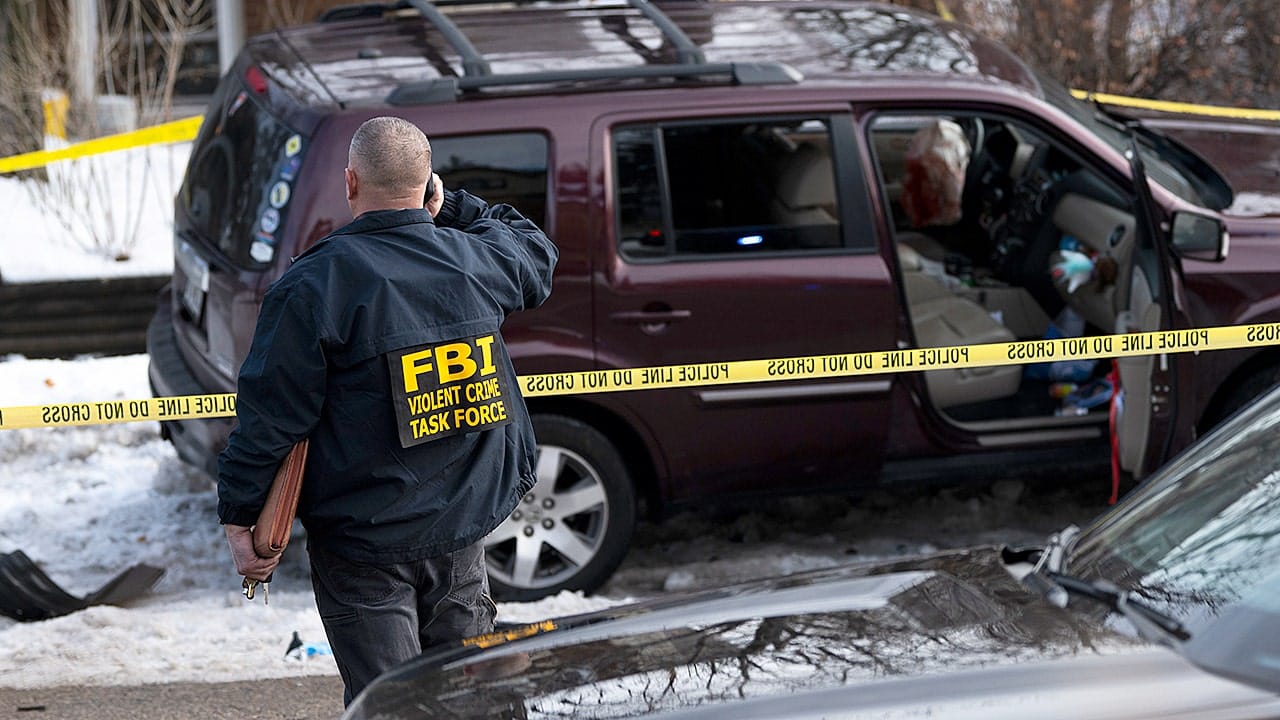
The incident occurred as ICE agents were conducting an operation in Minneapolis. Details released thus far suggest a confrontation where the agent discharged his weapon, resulting in Good’s death. This killing quickly became a rallying cry for activists and community members who view ICE operations as inherently aggressive and unaccountable.
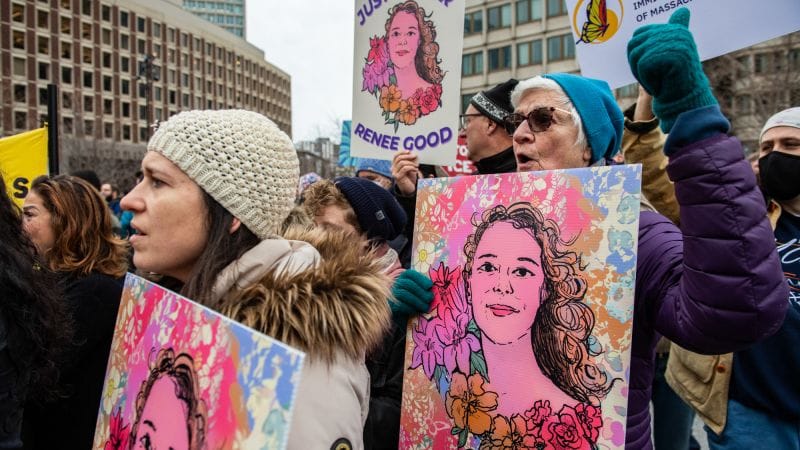
The public response was immediate and widespread. Nationwide outcry over the killing spilled into the streets of cities across the U.S. Protesters gathered in large numbers, holding vigils and marching to express their grief and anger. In Minneapolis and beyond, demonstrators demanded a thorough, independent investigation into the shooting, with many calling for the re-evaluation of ICE’s operational guidelines and a fundamental shift in how the agency interacts with communities.
The protests highlighted deep-seated frustrations with current immigration policy, linking the shooting directly to broader issues of systemic racism and excessive force by law enforcement. The image of a woman killed by a federal agent during what many perceive as a routine enforcement action has further polarized the debate surrounding ICE’s mandate.
Conflicting Interpretations of Evidence
One of the central elements of the controversy has been the interpretation of evidence surrounding the incident, specifically video footage. Two congressmen were among those who reviewed the video of the shooting, but their reactions highlighted the profound division in how the event is perceived. According to reports, while both viewed the same footage, only one of the lawmakers emerged from the viewing with certainty about what they had witnessed, suggesting a high degree of ambiguity or conflicting interpretations even among those in positions of authority.
This conflicting interpretation among lawmakers underscores the difficulty in establishing a consensus on the use of force in high-pressure situations. The debate over the video reflects a broader societal chasm: a public demanding transparency and justice, and an agency operating under complex legal and operational parameters often shielded from scrutiny.
The Law Enforcement Perspective: ‘Deadly Threat’
Adding another layer to the narrative, a former Secret Service agent and Immigration and Customs Enforcement (ICE) agent detailed the thought process and decision-making an immigration officer faces in such a situation. This expert analysis provided critical context for the defense of the officer involved in the shooting.
According to the former agent, the officer’s actions were likely consistent with training protocols. The argument hinges on the assessment that the officer perceived a potentially ‘deadly threat’ as a vehicle was driven at him. In high-stakes situations where an individual uses a vehicle as a weapon, law enforcement training often dictates a response involving lethal force to neutralize the perceived threat. This perspective suggests that the officer’s actions were not necessarily malicious or arbitrary, but rather a reaction to a situation that quickly escalated into a life-threatening scenario from their point of view.
The former agent’s commentary provides a necessary counterbalance to the public outrage, explaining the difference between an outside perception of events and the split-second decisions required of an officer in the field. This perspective emphasizes that the officer was acting within a framework designed to ensure their personal safety during a dangerous encounter.
Broader Implications for Immigration Policy
The Minneapolis incident, while tragic in its own right, has become a microcosm for larger issues surrounding immigration enforcement in the United States. The shooting in a city known for its progressive political landscape highlights the tensions inherent in federal immigration policy, particularly when agents operate in states and localities that have adopted ‘sanctuary city’ policies or where local law enforcement and federal agencies have tense relationships.
Janet Mills, whose involvement is noted in the broader context of the issue, represents one of the many state leaders grappling with the complex interplay between federal mandates and local community concerns. The incident forces a reckoning with how ICE operates, particularly regarding its interactions with individuals who may not be direct targets of specific operations but are caught up in the crossfire of enforcement actions.
The use of force by ICE agents, particularly in non-border regions, has long been a source of contention. Critics argue that ICE operations often lack sufficient oversight and that agents, acting under broad authority, frequently escalate situations unnecessarily. Conversely, advocates for stricter immigration enforcement argue that agents are simply performing a difficult and dangerous job, often facing non-compliance and resistance from individuals attempting to evade arrest.
Moving Forward: Calls for Reform and Accountability
As the investigation into the Minneapolis shooting continues, the national conversation remains sharply divided. The incident has energized calls for a comprehensive review of ICE’s use-of-force policies, demanding greater transparency and independent oversight. Protesters and activists seek not only justice for Renee Nicole Good but also a systemic change that prevents similar incidents in the future.
The differing views among lawmakers on the video evidence, coupled with the detailed defense provided by law enforcement experts, underscores the challenge of finding common ground. For many, the incident is less about a single officer’s actions and more about the fundamental nature of immigration enforcement. It raises critical questions about whether the current structure of ICE is compatible with community safety and civil liberties.
“The search for truth in this complex situation requires understanding both the immediate danger perceived by the officer and the fear and anguish experienced by the community. Until we can reconcile these two perspectives, the cycles of protest and justification will continue indefinitely.”