The Anatomy of a Meaningless Victory: WVU vs. Little Rock
Did West Virginia just prove they’re ready for the big leagues, or did they just participate in a glorified scrimmage against a sacrificial lamb?
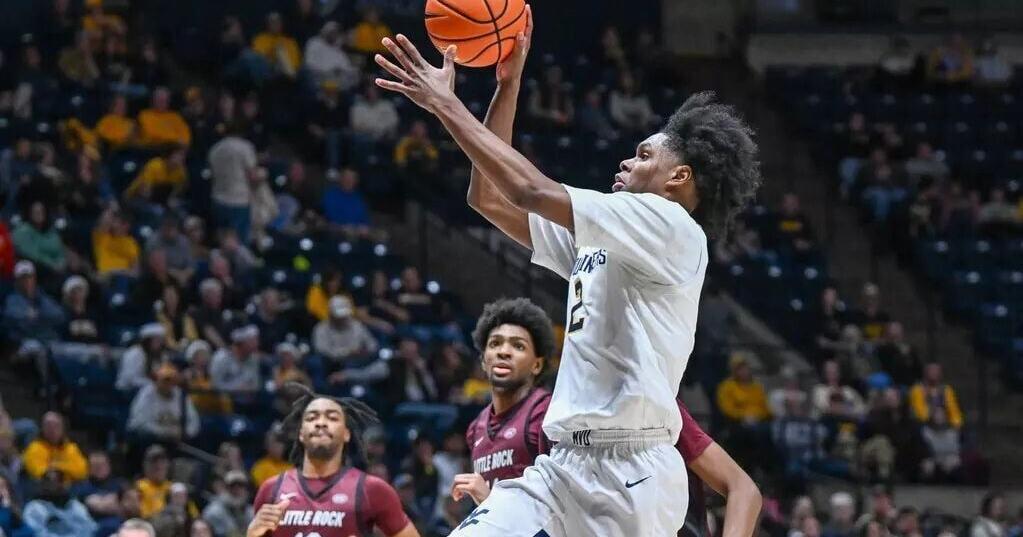
Let’s not mince words here. West Virginia’s 90-58 victory over Little Rock was exactly what it was designed to be: a statistic-padding exercise to make everyone feel slightly better about themselves before the cold, harsh reality of conference play sets in. The Mountaineers didn’t exactly slay a dragon; they just stomped on a garden snail and acted like it was a heroic feat. The final score, 90-58, looks impressive on paper, but if you actually watched the game, you’d know it was a foregone conclusion from the moment the Little Rock Trojans stepped onto the floor of Hope Coliseum, a venue that must have been chosen for the sheer, brutal irony of its name.
The entire affair felt less like high-stakes college basketball and more like a high school senior picking on a freshman during gym class. This sort of scheduling—where power-conference schools schedule games against teams that have no business being on the same court—is a cornerstone of the college basketball industrial complex. It’s designed to inflate win totals, boost RPI (or whatever metric they’re using this week), and create a false sense of security for a fan base that’s probably already holding its breath, waiting for the inevitable disappointment of January and February. The win against Little Rock, while technically a ‘W,’ changes absolutely nothing about the fundamental challenges facing this program.
And let’s talk about that cold weather advisory. The report said wind chills as low as 15 below zero. The weather outside was arguably more challenging and provided more resistance than the actual opponent inside Hope Coliseum. That’s not hyperbole; it’s a statement of fact. The atmosphere outside was bleak, and inside, the atmosphere was, well, predictable. It creates this perfect sense of impending doom, where fans are forced to brave freezing temperatures to watch a game that holds absolutely no relevance to the actual competitive season. It’s almost poetic, isn’t it? The physical cold reflecting the emotional cold of knowing this victory is ultimately meaningless.
Is Honor Huff truly a hero for hitting eight three-pointers, or is he just putting lipstick on a pig?
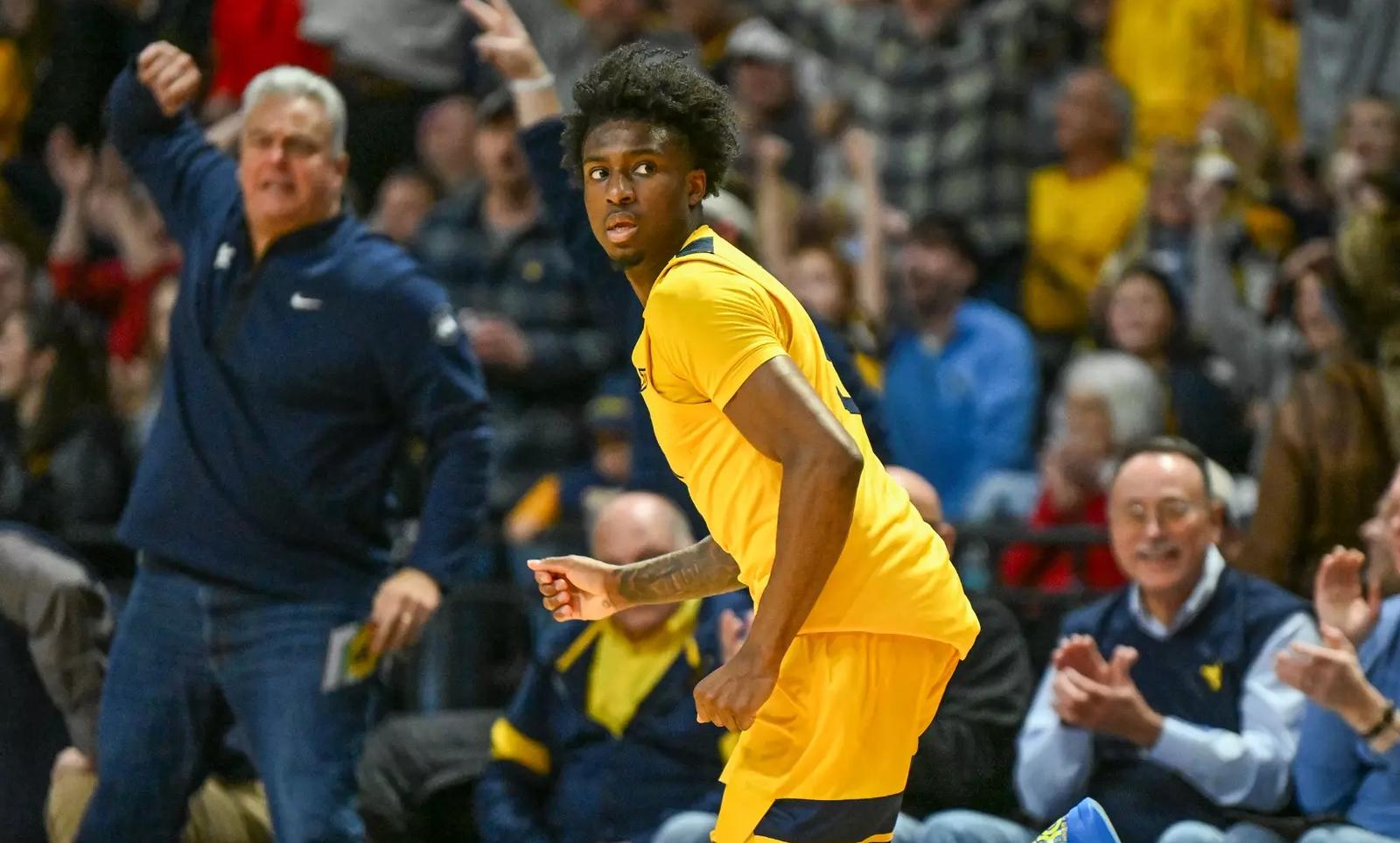
Let’s get straight to the ‘star’ of the show, Honor Huff, who decided to turn into Stephen Curry for one night, dropping 24 points with an astounding eight three-pointers. Now, on the surface, this performance looks spectacular. Eight threes! That kind of long-distance marksmanship can single-handedly turn a game around. But here’s the rub: context is king, and in this context, Huff’s performance feels less like a sign of future greatness and more like a desperate attempt to shore up a program that clearly lacks a coherent, inside-out game plan. When you have to rely on a perimeter player getting hot to beat a team like Little Rock, what happens when you face a Big 12 opponent that actually plays defense?
It’s the classic trap. We’re all so desperate for a hero, for a shining light in the darkness, that we latch onto these individual performances against sub-par competition. Huff’s eight threes were great, absolutely fantastic for his confidence, but let’s consider the implications for the team’s long-term strategy. If WVU is built around the idea of perimeter shooting being the primary source of offense, they are going to struggle immensely against the physical defenses of the Big 12. You can’t just throw up threes and expect to win consistently against teams that actually have talent in the paint. The Little Rock game highlighted a reliance on a high-risk, high-reward strategy that works beautifully when the opponent is completely outmatched, but falls apart completely when a real defensive scheme is implemented. It’s empty calories.
The name itself, Honor Huff, adds another layer of dark irony. Was there really ‘honor’ in this victory? Was there honor in beating a team that, quite frankly, probably had to take a small bus to Morgantown and was just happy to get the paycheck? No. The real honor comes from competing against equals, from fighting through adversity against teams that are actually a threat. This performance, while statistically impressive for Huff, is like getting an A on an elementary school pop quiz. It feels good for a second, but it doesn’t really mean much in the grand scheme of things, especially when you consider the Big 12 gauntlet waiting just around the corner. We saw a similar pattern last year, where individual players had breakout games only to be completely shut down by conference opponents. This feels like deja vu, and I’m not a fan of re-runs.
What does this game really tell us about the future of West Virginia basketball, and where exactly is the ‘hope’ in Hope Coliseum?
The entire narrative surrounding this game, from the press releases to the fan reactions, is built on a foundation of wishful thinking. The Mountaineers return to Hope Coliseum, hoping to find a spark. But what they really found was a punching bag. The Little Rock Trojans, a team that finished with a losing record last season and is currently struggling to find its footing, were not a formidable opponent. They were a necessary evil for scheduling purposes. The 90-58 final score is a reflection of that imbalance. It’s not a sign of West Virginia’s overwhelming strength; it’s a sign of Little Rock’s weakness. We should be careful not to confuse one for the other.
The cold weather advisory serves as a grim metaphor for the state of the program. The freezing temperatures outside parallel the icy cold reality of the upcoming schedule. The warmth provided by Hope Coliseum during this game is fleeting, a temporary reprieve from what promises to be a very difficult winter. The Big 12 this year is, without question, one of the most brutal conferences in college basketball. Teams are stacked, defenses are suffocating, and there are very few easy wins to be found. The Big 12 schedule won’t feature many teams like Little Rock.
So, what did we learn from this dominant victory? We learned that Honor Huff can shoot threes when given space. We learned that West Virginia can run up the score when the opposing defense is non-existent. We learned that the cold weather outside is still a more significant threat than the teams we are scheduling in December. And perhaps most importantly, we learned that the word ‘hope’ in ‘Hope Coliseum’ is less of a promise and more of a cruel joke. The real test is coming, and I highly doubt that a blowout win against Little Rock will provide the necessary foundation for success against teams that actually matter. The fans deserve better, but for now, this is what they get: a fleeting moment of joy before the inevitable. It’s almost depressing to analyze, but it’s the truth. The entire situation feels like a setup for failure, a carefully constructed façade that will crumble when faced with real pressure. It’s time to be realistic about expectations, and this game didn’t change the equation one bit. It just delayed the inevitable.