The Home Alone Inflation Nightmare: Why Kevin’s World Doesn’t Exist Anymore
And so we come to this, the annual tradition of revisiting a childhood fantasy where a small child single-handedly thwarts two grown men while casually enjoying the amenities of a mansion. But if you actually stop for a second and look past the slapstick, you realize a terrifying truth: the world of Kevin McCallister is utterly gone. It’s not just about nostalgia; it’s about a complete and fundamental shift in the American socioeconomic landscape, where the middle-class stability depicted in 1990 is now little more than a fairy tale for most of the population.
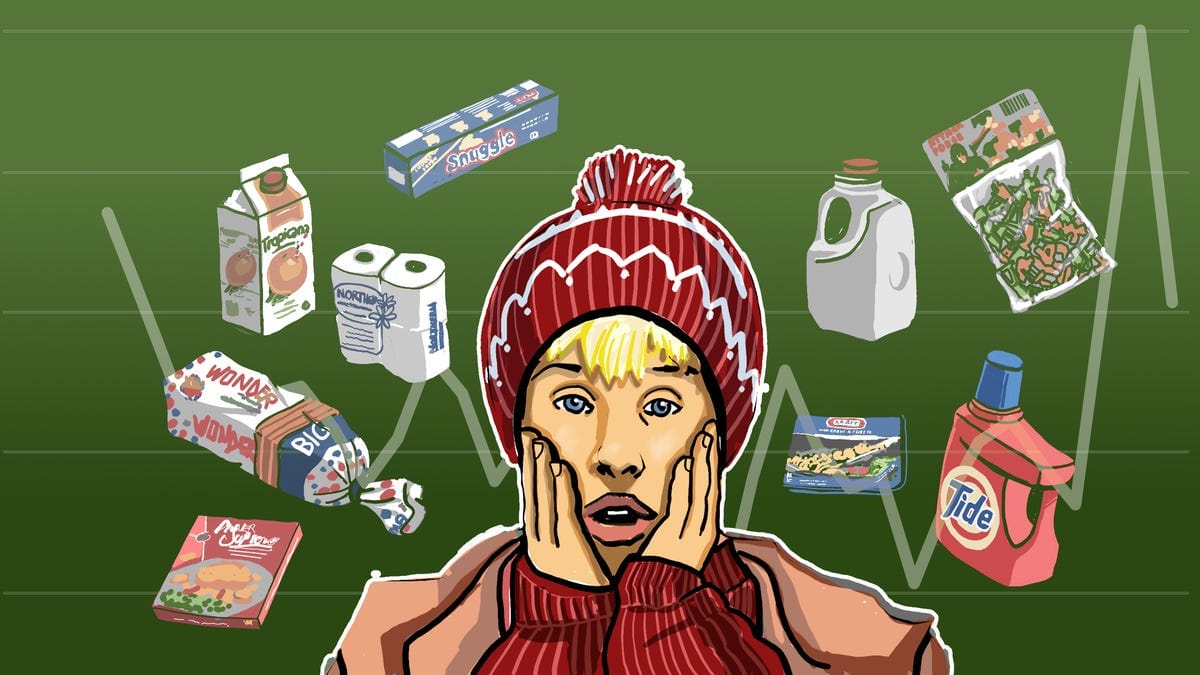
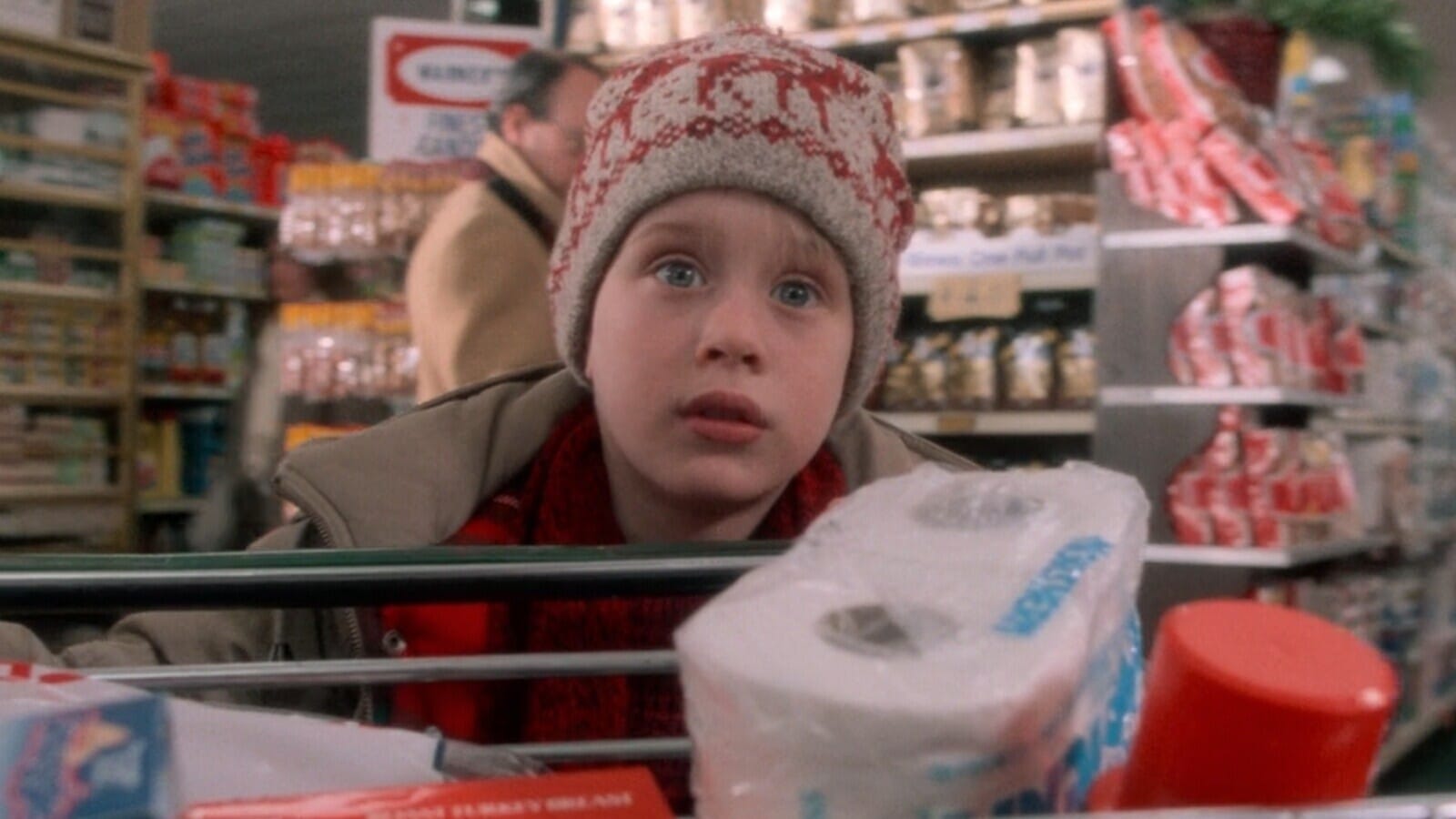
Because when people talk about the rising cost of living, they often fixate on a single data point, ignoring the systemic rot underneath. And let’s be blunt: the ‘Home Alone’ grocery store scene is Exhibit A in the case against modern capitalism. That famous grocery haul, where Kevin purchases milk, orange juice, mac and cheese, and a few other staples for less than $20, would be completely unthinkable today. But the real issue isn’t just the numerical difference—it’s the purchasing power that has evaporated for average families, meaning that while a single grocery run might cost $60 or more now, the real value of that dollar has plummeted dramatically since the early 1990s. This isn’t just inflation; it’s corporate gouging, supply chain mismanagement, and the insidious erosion of the average wage earner’s ability to afford basic necessities. We are living in a world where a child’s simple shopping trip, once a charming cinematic detail, has become a stark reminder of economic decline, leaving us all feeling like we’re running in place just to stay afloat. It’s a bitter pill to swallow when you realize that the cost of milk alone would probably eat up half of Kevin’s original budget. The American Dream used to look like that house in Winnetka; now it looks like an endless struggle against rising prices for basic goods.
The Plaza Hotel: The Disconnect Between Classes
But Kevin’s economic privilege isn’t limited to the first film. And the sequel, ‘Home Alone 2: Lost in New York,’ takes this class critique to an entirely new level. Because when Kevin finds himself accidentally stranded in New York City, he uses his father’s credit card to check into the Plaza Hotel—a luxury stay that in 1992 was already exorbitant but has become absolutely stratospheric today. The original cost of that stay in the early 90s, when adjusted for inflation, shows exactly how much the concept of ‘accessible luxury’ has vanished. But more importantly, the movie’s portrayal of this level of wealth as attainable for a family vacation highlights a major disconnect from reality for most people in 2025.
And this isn’t just a simple matter of increasing prices. This is a story of wealth consolidation and a widening gap between the haves and the have-nots. While the McCallisters, who are portrayed as upper-middle-class, could afford to accidentally drop a massive sum on a five-star hotel stay, that kind of disposable income simply doesn’t exist for the vast majority of today’s middle-class families. Because in 2025, a family would be more likely to lose their home due to medical debt than to casually drop thousands on a holiday trip. The McCallister family, with their Winnetka mansion and international travel, represented a comfortable, attainable standard of living for the upper-middle class of the early 90s; today, that same lifestyle requires wealth well into the top five percent, if not higher, making ‘Home Alone’ not just a comedy, but a documentary about the economic peak we passed decades ago.
Surveillance and Social Collapse: Kevin Couldn’t Survive in the Modern Era
Because let’s be honest, the idea that a child could be left alone in a neighborhood—even one as ostensibly safe as Winnetka—and not be immediately noticed by neighbors, social services, or even local law enforcement is fundamentally implausible in the post-9/11 world. The premise relies heavily on a degree of social negligence that, while played for laughs in 1990, would instantly trigger a massive response today. But it’s not just about heightened awareness; it’s about the erosion of trust and the rise of the surveillance state.
And in ‘Trump’s America,’ or more broadly, post-2016 America, where political polarization has led to profound social mistrust, the idea that neighbors would ignore a child in distress is even more potent. Because a ‘Cold Strategist’ looks at the scenario and understands that the social fabric that allows for a child to be left alone without immediate intervention is thin to the point of breaking. Today, social media would immediately blow up with the story. Neighbors would be documenting every move on Ring cameras. The concept of a quiet, isolated suburban existence, where a child’s plight remains unnoticed for days, simply cannot coexist with the ubiquitous digital monitoring we all endure. The innocence of the early 90s, where a child’s mistake was simply a comedy setup, has been replaced by a pervasive anxiety and a willingness to document and judge every perceived transgression online.
The McCallister House: The Myth of Middle-Class Wealth
And then there’s the house itself. That enormous, four-bedroom Winnetka home, famously valued at around $1.5 million in the original film’s era. Because while that price tag was substantial then, the current market value of that same house would easily be over $2.5 million, a figure that places it well out of reach for anyone other than the truly affluent. But a ‘Cold Strategist’ understands that the true cost isn’t just the sticker price; it’s the property taxes, the maintenance, and the overall economic burden of owning a home of that size in 2025.
And this house serves as a physical monument to a lost era of economic opportunity. Because in 1990, a professional family (a small business owner and a fashion designer, based on deleted scenes and context) could afford this lifestyle without necessarily being part of the financial elite. Today, that level of property ownership requires either generational wealth or a high-six-figure income, which is simply not accessible to the average American. The McCallisters’ home, once a symbol of attainable success, now represents the aspirational ceiling for a generation burdened by student loan debt and stagnant wages. It’s a harsh reminder that the ladder of social mobility has been shortened significantly since Kevin first laid booby traps for the Wet Bandits.
The Decline of Public Services and Infrastructure
But let’s think about a different angle: the infrastructure. Because in ‘Home Alone 2,’ Kevin’s ability to navigate New York City and make a few critical phone calls (the initial call to the hotel, the call to the police) relies on a level of functional public infrastructure that is increasingly unreliable in 2025. And while it might seem like a small detail, the sheer efficiency of transportation, communication systems, and public safety responses in the movie contrasts sharply with the often chaotic state of modern urban infrastructure.
And in ‘Trump’s America,’ where political priorities often favor deregulation and tax cuts over infrastructure spending, the decline of these public services is very real. Because the ‘Cold Strategist’ looks at the state of public schools, roads, and utilities and sees a system crumbling under neglect. The idea of a lost child being efficiently processed and protected by a functioning police force in New York City is less plausible today than it was in 1992. The city itself, despite its wealth, struggles with homelessness and a strained social safety net, making a child’s accidental journey far more perilous than the movie portrays.
The Psychological Shift: From Innocence to Anxiety
And let’s look at the psychology of the film. Because the entire premise of ‘Home Alone’ relies on a kind of innocent negligence that is viewed differently today. The idea that parents could forget their child twice, and that this would be a source of comedy rather than immediate tragedy, speaks volumes about changing social norms. In 1990, the threat to Kevin came primarily from the external world (the burglars); today, the internal threat of parental neglect would be scrutinized immediately by society.
And this is where the ‘Cold Strategist’ observes a significant societal shift. Because we live in a culture obsessed with over-parenting and helicopter parenting, driven by anxiety and a constant flow of information about potential dangers. The 1990s were a period of relative social calm before the digital age ushered in an era of constant fear and information overload. Kevin McCallister, in 1990, was a mischievous boy; in 2025, he would be a data point in a social services investigation, a victim of neglect rather than a clever protagonist. The movie reflects a time when we collectively believed that the world was still safe enough for children to navigate small dangers on their own, even if only for a few days. That belief is gone.
The Booby Trap Paradox and Modern Lawsuits
But let’s talk about the booby traps. And because a ‘Cold Strategist’ must analyze legal ramifications, let’s look at the very real prospect of lawsuits that would result from Kevin’s actions today. The booby traps in ‘Home Alone’ are hilariously over-the-top, but they also represent a legal liability that in today’s litigious society would bankrupt the McCallister family in a heartbeat. Because the Wet Bandits, despite being criminals, could easily sue for damages related to negligence and severe physical harm.
And in 1990, the idea of a burglar suing their victim was mostly unheard of, or at least not a common trope. But today, with every action documented and every injury meticulously cataloged, the McCallister family would face a legal battle that would likely cost them everything. The movie’s premise relies on a kind of legal simplicity that simply doesn’t exist anymore. The complex web of insurance claims, personal injury lawsuits, and criminal charges would quickly turn a Christmas comedy into a legal drama. The innocence of the film is shattered when viewed through the lens of modern tort law, making the entire premise not just economically implausible but legally absurd.
A Glimpse into an Alternate History
And so we return to the central thesis: ‘Home Alone’ isn’t just a movie about a boy left behind; it’s a window into an alternate America that no longer exists. Because the film depicts a time when the middle class could reasonably aspire to luxury, when social trust was higher, and when technology hadn’t yet created the pervasive surveillance state we live in today. And a ‘Cold Strategist’ looks at this and realizes that Kevin McCallister’s ability to survive and thrive in his situation was dependent entirely on the economic and social stability of the early 1990s.
And as we watch the film again this year, we shouldn’t just laugh at the booby traps; we should mourn the loss of the economic stability that made the McCallister family’s life possible. Because the rising costs from that $20 grocery haul to the thousands spent at the Plaza are not just numbers; they represent the slow, grinding decline of the American Dream, leaving us all feeling a bit like Kevin, alone in a house that costs too much more than we can afford, surrounded by dangers that are far less cartoonish than a couple of bungling burglars.