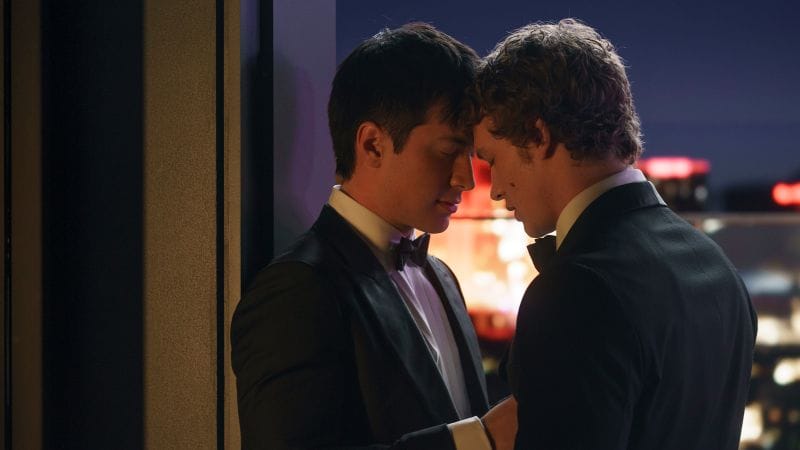
The Official Lie: A Triumphant Cultural Moment
The narrative being pushed by the entertainment industry—specifically by HBO Max and its ecosystem of cheerleaders (or ‘influencers,’ as they are now called)—is that the show Heated Rivalry is a watershed moment for queer representation. It’s painted as a beautiful, organic success story where a niche novel about two rival male hockey players falling in love finally reached the mainstream, proving that audiences crave genuine, passionate, and yes, extremely explicit romance that traditional Hollywood has ignored. This interpretation suggests that the show’s success is a victory for progress and authentic storytelling, breaking down barriers simply because the content itself is so compelling and universally relatable. It’s positioned as a simple rom-com for a modern age, one that just happens to have a high volume of ‘no pants’ scenes and a global social media footprint. This official story makes us feel warm and fuzzy; it tells us that good stories win out, and that major corporations are finally evolving beyond tokenism.
The talking heads and endless ‘hot takes’ across social media, which are an integral part of the show’s marketing strategy (we’ll get to that later), celebrate this moment as if it were a sudden, unexpected revelation of audience demand. They claim that the show’s success proves that ‘smut’—and specifically queer male smut—has finally become acceptable mainstream entertainment, a sign of changing times and increasing tolerance. The reviews focus on the chemistry between the leads, the high production value, and the emotional core of the story (often referencing the source material). The underlying implication of the official lie is that this show is a spontaneous cultural phenomenon, a genuine reflection of audience desires that simply appeared out of thin air to fill a vacuum. This is, of course, a calculated falsehood designed to obscure the reality of how modern media consumption actually works, and how streaming platforms have evolved from mere distributors into sophisticated cultural engineers.
The New Algorithm: Romance as a Calculated Formula
Let’s look at the actual elements that contribute to this ‘cultural phenomenon.’ The input data describes it as a blend of ‘everything you love about rom-coms’ but with added explicit content. This isn’t a new formula, but its application by a streaming giant like HBO Max is a significant strategic shift. The genre itself, often called ‘sports romance’ in the publishing world, has always been popular, but the specific dynamics of the ‘rivalry’ trope in a male-male context have historically been relegated to a different, much larger ecosystem: fanfiction. The show isn’t just a romance; it’s a direct adaptation of a very specific, highly successful fanfiction trope (enemies-to-lovers in a high-stakes, hyper-masculine environment). The official story wants you to focus on the romance; the actual business strategy focuses entirely on the hyper-specific, highly engaged audience that was already consuming this content for free in large quantities. The success of *Heated Rivalry* isn’t an accident; it’s a highly predictable outcome for anyone who has been paying attention to the monetization of subcultures over the past decade. It’s not a celebration of new ideas; it’s a sophisticated repackaging of old ones. The streaming industry simply found the ‘g-spot’ of the algorithm, as it were, and pressed it repeatedly until the numbers justified the investment. The fact that the show features a romance between two men is merely the specific flavor chosen for this particular target market, but the core strategy is identical to any other content engineered for maximum engagement and virality.
The Uncomfortable Truth: Algorithm and Assimilation
Now, let’s discard the official lie and analyze the cold, strategic reality. The success of Heated Rivalry is not an organic cultural shift; it is a meticulously calculated product based on decades of free, unpaid labor by fan communities. The ‘global phenomenon’ described in the input data is the result of a deliberate, data-driven strategy to assimilate and monetize niche subcultures. The ‘smut’ content—often dismissed by traditional media as mere pornography or low-art—was, for years, the lifeblood of online fanfiction communities, specifically platforms like Archive of Our Own (AO3) or Wattpad. These communities, often centered around ‘slash fiction’ (fanfiction focusing on male-male relationships, derived from a specific interpretation of existing characters like Kirk and Spock), created massive demand for specific storylines, character dynamics, and explicit content that traditional publishing and television refused to touch. They built the market; now the corporations are moving in to take over.
The strategic move made by HBO Max—or any streaming service producing similar content (Netflix with *Heartstopper*, Amazon Prime with *Red, White & Royal Blue*)—is simple: identify a highly engaged, highly loyal, and previously underserved audience that creates its own content because mainstream media ignores them. The algorithm doesn’t care about morality or artistic integrity; it only cares about a high engagement rate. When the data reveals that millions of users are searching for ‘gay hockey romance’ or ‘enemies-to-lovers smut,’ the strategic decision is simple: commission a high-budget version of exactly that content. The resulting product, Heated Rivalry, is a perfect synthesis of this strategy. It’s not about art; it’s about exploiting a pre-existing market inefficiency. The show’s success isn’t proof of cultural enlightenment; it’s proof that big corporations have gotten very good at reverse-engineering successful fan content and selling it back to the original creators at a high price point (i.e., a subscription fee).
The Business of Obsession: The Rise of Fandom as a Financial Asset
Let’s consider the specific ingredients for success here. The input data points to ‘heated rivalry episodes’ and ‘global phenomenon.’ This isn’t just about a good story; it’s about a highly specific set of dynamics designed to maximize audience obsession. The ‘rivalry’ trope is crucial because it generates conflict, tension, and a strong sense of payoff when the characters finally come together. For a strategist, this trope isn’t just for dramatic effect; it’s designed to maximize the ‘will-they-won’t-they’ tension that keeps viewers watching through multiple episodes. It creates a high volume of social media discussion, generating free marketing (i.e., ‘hot takes’ and memes) for the platform. The fact that it’s ‘smut’ further intensifies this dynamic because it appeals directly to a specific, highly passionate segment of the audience that is already primed to consume this content. The term ‘smut’ itself, used in a conversational manner in the source material, highlights the specific target audience. The goal isn’t just to entertain; it’s to create an obsession that justifies the monthly subscription cost and minimizes churn.
This assimilation of subculture into corporate product has a darker side. The original fanfiction (often written by and for queer women, by the way) was subversive because it was created outside the system, providing a space for exploration that mainstream media would not allow. By commercializing it, the streaming services neuter its subversive power while simultaneously monetizing the original creators’ labor without compensation. The official lie celebrates this assimilation as progress; the strategist sees it as a colonization of cultural space. The show itself may offer a good product, but the underlying mechanism is designed to capture, consolidate, and control the audience that was previously self-sufficient. The ‘global phenomenon’ is simply the scale at which this assimilation is now occurring, enabled by the infrastructure of streaming services that can instantly reach millions of people with tailored content. It’s a highly efficient machine for turning niche desires into mainstream profit, bypassing traditional cultural gatekeepers entirely. This is why it feels different than traditional rom-coms; it’s not just a new story; it’s a new business model.
The Cold Prediction: The Future of Media Consumption
Where does this lead? The strategist predicts that the success of Heated Rivalry (and its subsequent seasons/spinoffs) will not lead to a new era of diverse and authentic storytelling, but rather to a cynical acceleration of content production based on algorithmically determined ‘smut’ trends. Streaming services will continue to hunt for niche subcultures—whether it be queer romance, fantasy-based BDSM, or other previously marginalized genres—and assimilate them into high-budget productions. The focus will shift away from original ideas toward highly polished, high-volume iterations of proven fanfic formulas. We are entering an era where media consumption is dictated not by a ‘cultural moment’ but by a cold, hard calculation of monetization potential. The ‘no pants’ element isn’t just about fun; it’s about maximizing viewer engagement in a specific demographic. The fact that this specific content, once relegated to forums and forums and forums that were often hidden, is now front-page on major streaming platforms is simply evidence of the effectiveness of data analytics in determining what to sell next.
The cultural cost is that we lose the very subversiveness that made these genres appealing in the first place. When a corporation like HBO Max produces ‘smut,’ it loses its edge; it becomes a consumer product, not a form of rebellion against heteronormative or traditional media structures. The audience believes they are getting a revolution, but in reality, they are simply being sold a new iteration of consumer goods, albeit one that is perfectly tailored to their specific desires. The true measure of success for Heated Rivalry, therefore, is not its cultural impact on ‘progress’ or ‘acceptance,’ but its ability to sustain a high level of viewer engagement over multiple seasons, generating subscription revenue from a highly specific, highly loyal audience segment that was previously ignored by mainstream media. This is not progress; it’s smart business. And that, in a nutshell, is the cold truth behind the ‘global phenomenon’ everyone is simply a strategic, calculated exploitation of a market inefficiency.