The Manufactured Yearning Machine: How Corporate Titans Turn Our Emotions Into Cash
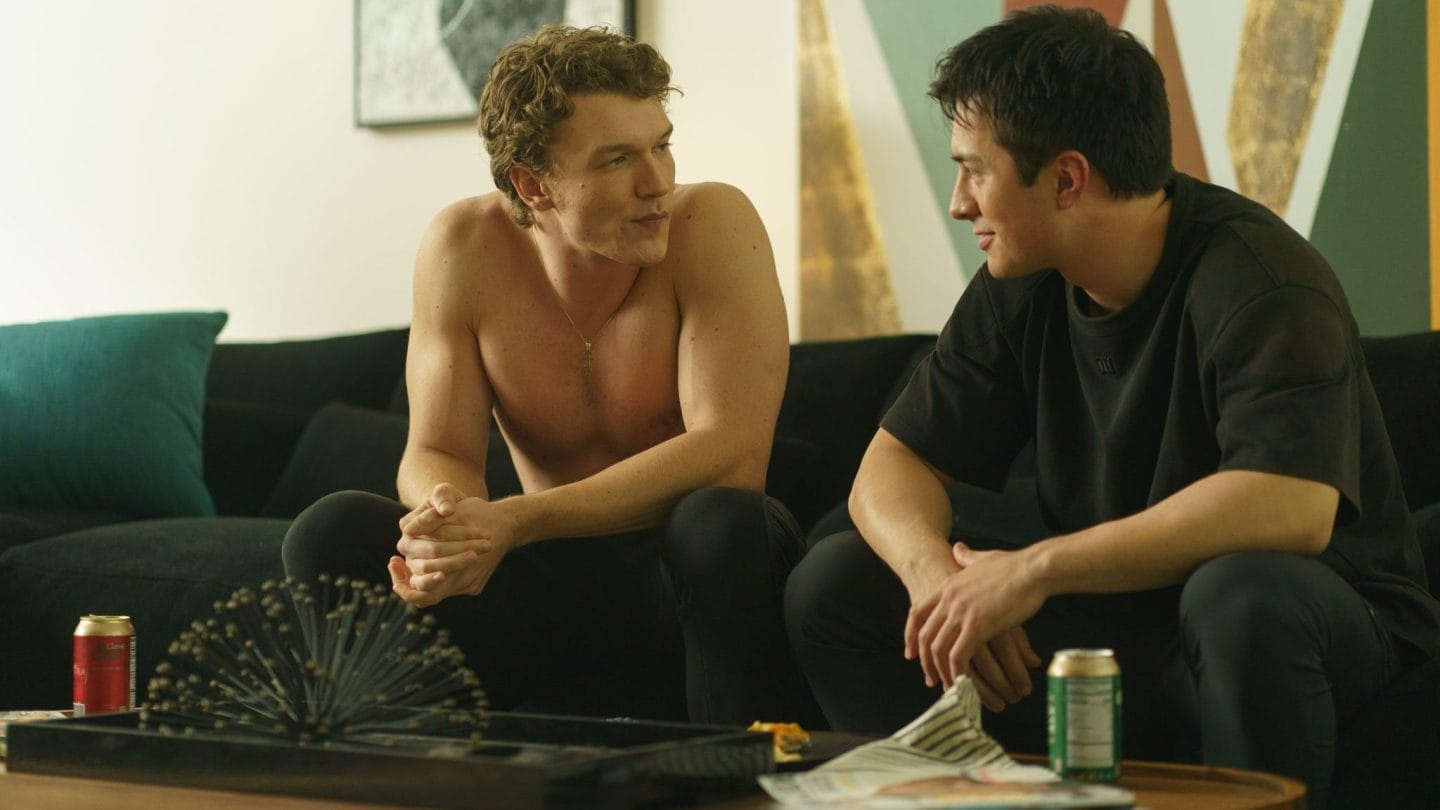
Let’s talk about Heated Rivalry. If you’re anywhere near the digital water cooler, you’ve heard the buzz. The show’s got everything the new generation wants: high-stakes sports drama (ice hockey, in this case), intense emotional turmoil, and, most importantly, a sizzling central romance that has fans absolutely ravenous for every look, every touch, every moment of withheld affection between Shane and Ilya. The source material for this whole phenomenon—the articles and social media chatter—use a very specific word to describe the audience’s reaction: yearning. It’s a good word, isn’t it? It captures that feeling of wanting something badly, of waiting for the inevitable emotional payoff, of living on the edge of your seat because a character you love is finally on the brink of getting what they deserve. We’re told this yearning is the core appeal, that it’s what makes the show so powerful. But let me tell you something: this isn’t some organic phenomenon born from artistic genius. This yearning isn’t natural. It’s manufactured. It’s a precisely engineered product designed by corporate algorithms to keep you glued to your screen and, crucially, keep your subscription active with Crave and HBO Max.
The announcement that Season 2 is a go, with HBO Max again boarding the production, isn’t a celebration of art; it’s a celebration of successful market segmentation. We’re living in a time when streaming platforms aren’t just selling content anymore; they are selling identity, community, and the promise of validation. They’re selling us back our own desires, packaged neatly with a bow and an HBO Max logo. The real story behind Heated Rivalry isn’t about two hockey players falling in love; it’s about how global media conglomerates have mastered the art of extracting value from our very human need to feel seen. The ‘us vs. them’ narrative isn’t between Shane and Ilya; it’s between us—the viewers who just want to enjoy a good story—and them—the executives in high-rise offices who view us as nothing more than data points to be manipulated for profit.
The Illusion of Authenticity and the Business of ‘Yearning’
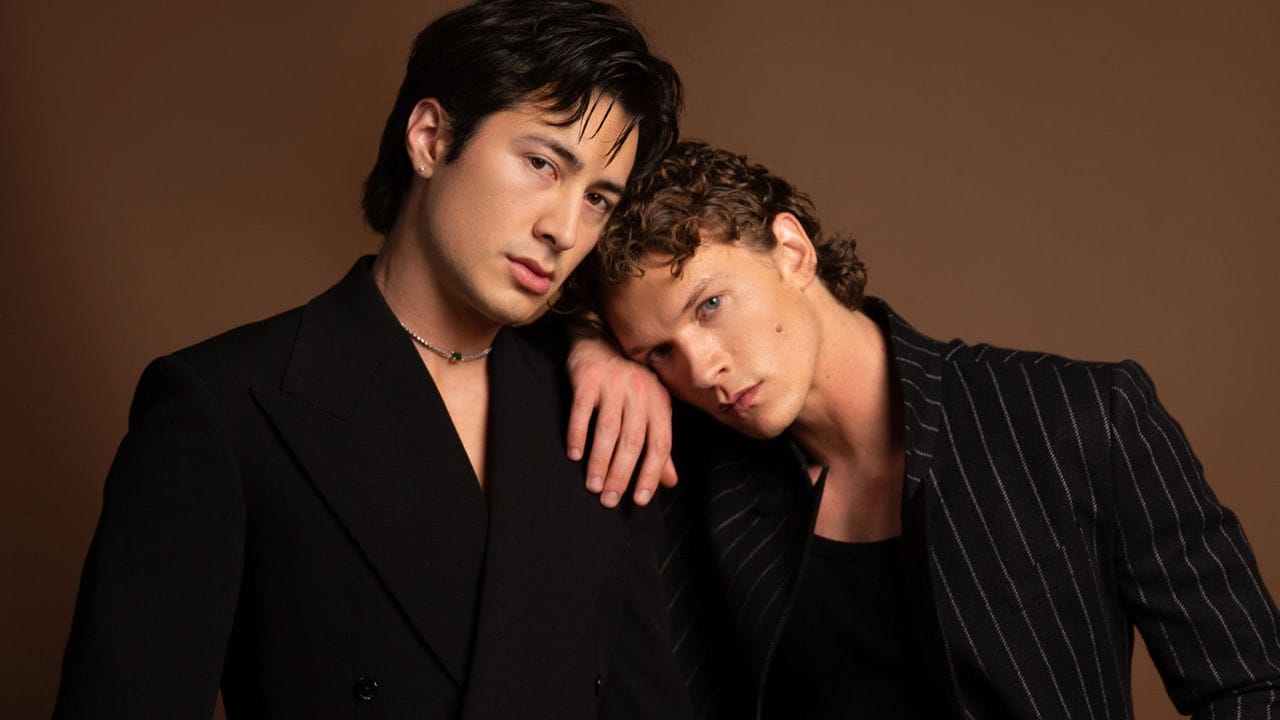
Take a hard look at what the source articles are saying. The show’s stars, Connor Storrie and Hudson Williams, talk about their pre-existing chemistry. One article quotes Storrie saying, ‘Me and Hudson had the chemistry down before we even started acting.’ Another title mentions that ‘the Sex Is the Easy Part.’ Now, think about that for a second. The actors themselves are signaling that the physical side of the relationship is straightforward, but the real challenge—and the real story—is the emotional tension and the slow-burn buildup. This isn’t just character development; it’s a strategic choice. The yearning, the anticipation, the agonizing wait for the characters to finally get together, is what keeps you watching week after week, season after season. It’s a psychological hook. If they just gave us the sex and the resolution in episode four, as some shows might, you might drift away. You’d move on to the next show. But by forcing us to yearn, they extend the value proposition of the show from a short-term fling to a long-term relationship with the streaming platform itself.
We, the audience, fall for this hook every time because we crave authenticity. We want to believe that this show, specifically crafted for an LGBTQ+ audience, genuinely understands what it’s like to navigate complex relationships and internal struggles. The corporate machine understands this need for validation better than anyone. They’ve learned to exploit the exact mechanisms of emotional investment that have historically driven fandoms. They’re not just creating content for a niche audience; they are identifying a passionate, underserved demographic and creating a product specifically calibrated to trigger the highest level of engagement. When t.A.T.u.’s “All The Things She Said” streams jump after episode four, it’s not just a beautiful coincidence of art meeting audience emotion; it’s a perfectly orchestrated event. The algorithms predicted that exact reaction, and the showrunners delivered exactly what was necessary to make it happen. This isn’t art. It’s a precisely calculated marketing campaign disguised as a love story, and we’re all just eating it up like candy from a stranger.
The Ice Hockey Facade: A Bait-and-Switch Strategy
Let’s not overlook the setting. Ice hockey. Why ice hockey? It’s not the most obvious choice for a romance drama. The sport itself requires a specific kind of a high-energy, aggressive, traditionally masculine setting. This choice isn’t accidental; it serves multiple purposes for the streaming service. First, it acts as a cultural bridge. By setting the romance within a sports context, Crave and HBO Max can appeal to a broader audience base that might otherwise skip content labeled strictly as an LGBTQ+ drama. It’s a Trojan horse. The ‘heated rivalry’ itself, initially, suggests a competitive sports drama, drawing in viewers who might expect something more akin to traditional sports entertainment. The underlying narrative, however, is pure emotional payoff. The sports element quickly becomes secondary to the yearning and the character relationships. The title itself is a clever double meaning, a little wink from the creators to the audience, but also a clever marketing ploy to attract viewers looking for something else entirely.
Second, the environment of ice hockey offers a perfect canvas for exploring a specific kind of internal conflict that appeals to a wide audience. The traditional high-pressure environment of professional sports, where players are forced to bottle up emotions and maintain a certain facade of toughness, creates a powerful contrast to the intimate emotional story being told. It maximizes the dramatic tension. This isn’t just good writing; it’s smart business. The juxtaposition between brute force and tender emotion is a proven formula for high engagement, and the executives know exactly how to leverage this dynamic. We love to see the tough guy break, and we love to watch the internal struggle unfold. It’s a tale as old as time, repackaged for a new generation, with the added bonus of ticking the boxes for diversity and representation, which in turn generates more positive buzz and less scrutiny from critics.
The Cynicism of Streaming Greenlights: Season 2 and Beyond
The announcement of Season 2 for Heated Rivalry is the biggest piece of evidence for this corporate cynicism. We are told that ‘HBO Max again boarding’ means the show is a success. But success in streaming isn’t measured by critical reviews or artistic merit; it’s measured by retention rates. Crave, being a smaller Canadian streamer, desperately needs high-engagement content to compete with the global giants like Netflix and Prime Video. Partnering with HBO Max gives them global reach, and HBO Max gets a proven asset to add to its library. This greenlight isn’t a testament to the show’s artistic value; it’s a cold, hard calculation based on subscriber metrics and demographic profiling. They’ve seen the numbers. They’ve seen how many people watched the full season. They’ve seen how many people started watching and didn’t drop off. And most importantly, they’ve seen the social media buzz, the ‘yearning’ in action, generating free advertising for the platform.
In the past, a show might get renewed based on critical acclaim or a dedicated, long-standing fanbase. Now, it’s about ‘more new deals struck’ and ‘new deals struck.’ It’s about leveraging this content as part of a larger portfolio strategy. The show itself becomes a vehicle for brand messaging. It tells the audience, ‘HBO Max is a place where you can find diverse stories.’ It tells investors, ‘We are effectively targeting specific demographics with high-engagement content.’ The show is just another cog in the machine, and the ‘yearning’ we feel is just another data point in their spreadsheets. The audience, thinking they are celebrating a victory for representation, is actually just being sold a bill of goods. The ‘Populist Fighter’ in me sees this as a fundamental imbalance: the audience wants genuine connection, and the platforms give us calculated manipulation.
The Future of Fandom and the Loss of Authenticity
So, where does this leave us? We’ve become accustomed to this new model of calculated entertainment. We see it everywhere, from superhero franchises that are meticulously designed by committee to maximize box office returns, to reality TV shows where every dramatic moment is pre-scripted. Heated Rivalry is simply taking that model and applying it to the new, highly engaged demographic of LGBTQ+ viewers and allies. The source data says the show’s success means ‘More New Deals Struck.’ That’s not a good sign for genuine storytelling. It means more shows will be produced according to this formula: identify an underserved niche, create characters that resonate strongly with that niche, maximize emotional tension to drive engagement, and then rinse and repeat. The yearning, which feels so personal to us, becomes just another commodity in the global marketplace.
We, the audience, deserve better. We deserve stories that are born from genuine artistic vision, not focus groups and algorithms. We need to remember that the corporations that profit from our emotions are not our friends. They are not advocating for us; they are using us. The next time you feel that intense ‘yearning’ watching Heated Rivalry, take a step back. Ask yourself if you’re genuinely invested in the characters’ journey, or if you’re simply responding to a carefully crafted, high-burst emotional manipulation designed to keep you from hitting ‘cancel subscription.’ The ‘us versus them’ battle isn’t over. It’s just moved from the streets to the screens, and we are the ones being played.