The Grand Jury Rebellion: The System Protects Its Own
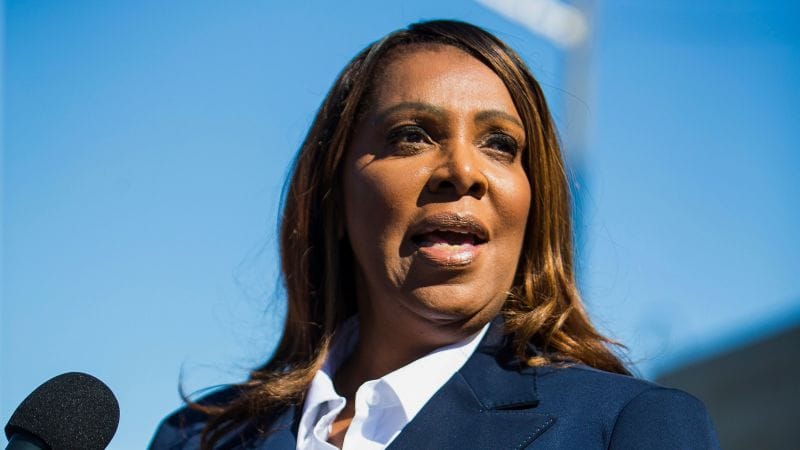
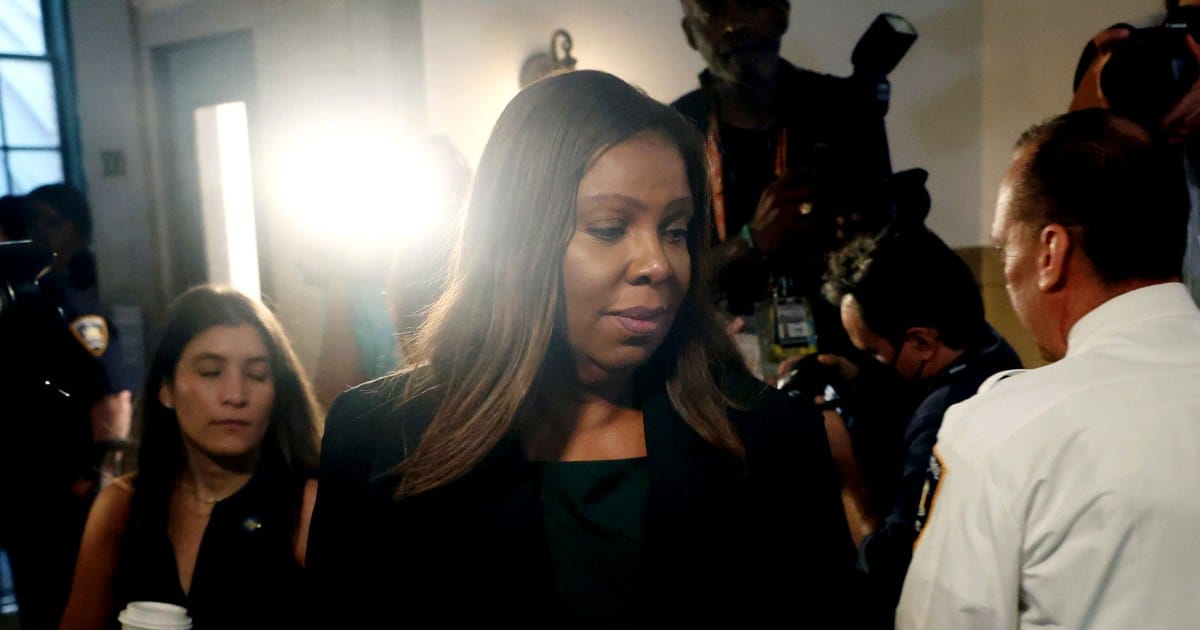
Let’s not mince words here. What we witnessed with the grand jury’s decision regarding Attorney General Letitia James wasn’t a victory for justice; it was a brazen display of exactly how the establishment protects its high-value assets. When a federal grand jury—for a second time, mind you—says ‘no thanks’ to an indictment for mortgage fraud against one of the most prominent political figures in New York, you have to ask yourself: what exactly is going on in that room? The official narrative is always clean: insufficient evidence, procedural errors, maybe even a confused grand jury. But for those of us who have watched this game long enough, we know what a coordinated backroom deal looks like, and this, my friends, stinks worse than week-old fish. It’s a clear signal that the rules for the elite are fundamentally different from the rules for you and me. The system closes ranks, regardless of who is pulling the strings from above.
The Double Standard Exposed
Think about a ‘normal’ citizen. If you or I, a regular person just trying to pay the mortgage, got caught fudging numbers on a loan application, what would happen? We wouldn’t get a polite pat on the back and a ‘sorry, try again next time.’ We’d get a visit from a federal agent, our assets would be frozen faster than a popsicle in January, and we’d be looking at hard time. The Justice Department, in its infinite wisdom, would make an example out of us, ensuring we learn our lesson and deter others from even trying. But when Letitia James—the very person who built a career out of prosecuting others—gets hit with similar allegations, suddenly the grand jury just can’t quite get its act together. It’s almost as if they are actively looking for reasons to let the whole thing slide, which makes you wonder about the motivation behind the investigation in the first place.
Is the Department of Justice so incompetent that they couldn’t present a compelling case *twice*? Or, more likely, is the deep state so entrenched that even when one faction wants to take down another, they find resistance from within the system itself? The establishment, regardless of party, has an unwritten rule: don’t prosecute those at the top for crimes that would land everyone else in prison. The grand jury’s refusal to indict, especially after a second attempt, isn’t just about a technicality; it’s about the very real, very ugly truth that a two-tiered justice system is alive and well in America, and it’s built to protect people like James.
The ‘Trump Push’ Narrative: A Red Herring
One of the titles mentioned a ‘Trump push’ to reindict James. Let’s dissect that for a moment, because it’s a critical piece of the puzzle, but not in the way you might think. The populists who believe Trump is genuinely trying to dismantle the deep state might see this as further proof of resistance from the entrenched bureaucracy. The anti-Trump crowd, on the other hand, might spin this as a political failure by Trump and his allies. But the truth is, both interpretations miss the bigger picture. The Justice Department, even when nominally aligned with one political side, often operates with its own institutional inertia. The fact that the grand jury rejected the reindictment, regardless of who was pushing it, shows that the system has mechanisms in place to insulate its powerful members from accountability. This isn’t about Trump versus James; this is about the system versus the people. The deep state protects its own, and the fact that an indictment, even a ‘politically motivated’ one, can’t gain traction shows how strong that protection really is. Do we really believe that a grand jury, faced with overwhelming evidence, would just shrug twice? No. This suggests that the internal political calculus trumps actual justice every single time, making the whole process nothing more than political theater for the benefit of the masses.
Mortgage Fraud: A Crime for the Poor
The specific crime alleged here—mortgage fraud—is a perfect example of how the ‘us vs. them’ dynamic plays out in real life. Mortgage fraud, especially when involving high-profile real estate transactions, can have ripple effects throughout the economy, contributing to instability and a housing crisis that affects millions of Americans. It’s not a victimless crime. When banks or individuals manipulate numbers to secure loans they wouldn’t otherwise qualify for, it puts stress on the entire financial system. And yet, when a powerful figure like James is accused of this, the investigation quietly dies. The message this sends to the average person is clear: you are held to account, but the elite are not. If a regular person tried to inflate their income or assets to get a loan, they’d be prosecuted to the fullest extent. If you are powerful enough, however, you get a second chance, a third chance, and ultimately, a pass. This isn’t just about fairness; it’s about the core foundations of our society. When the law doesn’t apply equally to everyone, trust erodes completely. We’ve seen this play out time and time again, whether it’s in financial markets, political scandals, or personal behavior. The powerful always find a way to escape consequences, and the grand jury system, which is supposed to be a check against prosecutorial abuse, becomes just another tool for political maneuvering.
The Grand Jury’s Role in Systemic Decay
The grand jury system in America is often criticized as being a ‘rubber stamp’ for prosecutors, meaning they usually indict whoever the prosecutor wants them to. When a grand jury actually resists, it’s supposed to be a sign of a truly flawed or weak case. But when a grand jury resists *twice* against a politically charged indictment, we need to consider another possibility: perhaps the grand jury is simply part of a larger, coordinated effort to derail the prosecution from within. It’s too convenient. The Justice Department fails to secure an indictment, the case fizzles out, and everyone can claim they tried their best, while James walks away scot-free. This isn’t just incompetence; it’s systemic decay. The grand jury, which is meant to represent the will of the people, becomes just another layer of bureaucracy protecting the powerful. When the people chosen to uphold justice in a private capacity fail to do so against a high-profile target, it reinforces the perception that the whole game is rigged. Is it a coincidence that this case just happened to fall apart in this manner? I doubt it.
The Future of Accountability: A Bleak Outlook
So, where does this leave us? This case, which seemed to promise some level of accountability for a major political figure, has now effectively died a quiet death. The investigation, as the reporting correctly states, is ‘on life support.’ This means that the chances of James facing any consequences for the alleged mortgage fraud are slim to none. This outcome doesn’t just impact James; it sets a precedent for every other politician and powerful individual who believes they are above the law. When the system demonstrates a clear reluctance to prosecute high-level figures for serious financial crimes, it gives carte blanche to others to engage in similar behavior. The populist movement thrives on the idea that the system is broken and that the powerful manipulate the rules to stay on top. This case provides a perfect example of that. It confirms every suspicion that people have about the political elite. The lack of accountability here will only strengthen the divide between the political class and the working class, fueling further distrust and cynicism in the democratic process. It’s a lose-lose situation for justice, and a major win for impunity.
A Precedent of Impunity
Let’s look at history. How many times have we seen powerful figures escape consequences for actions that would send ordinary people to prison? From high-level financial executives during the 2008 crash to politicians involved in insider trading, the pattern is consistent. The system provides multiple off-ramps for those with power and resources. They have access to better legal representation, they know how to work the political angles, and they understand how to leverage connections to ensure investigations fizzle out. The grand jury’s actions here fit perfectly into that historical pattern. It wasn’t an isolated incident; it was part of a long tradition of allowing the powerful to avoid consequences. The fact that this particular case was against a figure who has herself been a strong prosecutor against others makes the hypocrisy even more glaring. The ‘us vs. them’ narrative isn’t just about different political ideologies; it’s about the fundamental division between those who are governed by the law and those who are above it.
This grand jury refusal isn’t a fluke; it’s the norm. The system is rigged. And until we demand real changes, we’re going to keep seeing this same story play out again and again, reinforcing the idea that the powerful are untouchable. It truly makes you question what the point of all this performative justice even is when you know the fix is in from the start.