The Anniversary Industrial Complex and the Death of Sincerity
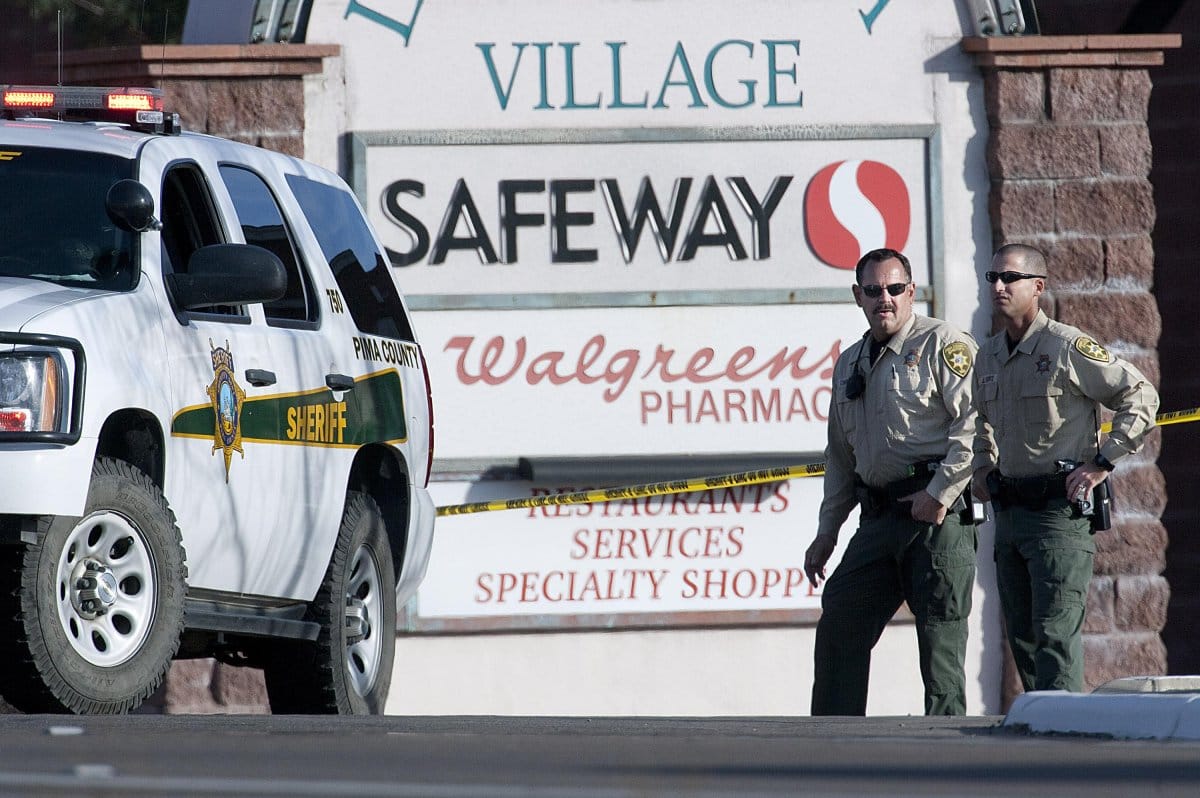
Fifteen years have crawled by since that sweltering, horrific morning at a Safeway in Tucson, yet if you turn on the news today, you’d swear we were living in a scripted reality show designed to harvest our collective grief for mid-term polling data. The pavement was still warm when the media vultures landed in 2011, and they haven’t really left since (they just get better at hiding the cameras during the off-season). We see the same faces every year, the same somber nodding, and the same rehearsed speeches about ‘healing’ and ‘unity’ that taste like stale crackers and feel just as hollow. It’s a performance. We all know it’s a performance, yet we sit here and applaud the actors because we’re too terrified to admit that the political machine has turned a genuine human tragedy into a recurring branding opportunity for the elite.
Gabby Giffords was a rising star who became a martyr while she was still breathing. That’s a heavy weight for anyone to carry (and let’s be real, she’s been carrying it with more grace than most of the vultures surrounding her deserve). But look at the contrast between the raw, jagged reality of six people dying in a parking lot and the sanitized, airbrushed version of the event we’re fed at these ten a.m. ceremonies. The contrast is sickening. We talk about ‘lives lost’ as if they were misplaced keys rather than people shredded by a madman with a high-capacity magazine.
The Forgotten Madman and the Sarah Palin Crosshairs
Remember Jared Lee Loughner? Probably not, because the media did its best to scrub the uncomfortable details of his incoherent, drug-addled rambling from the narrative once it didn’t fit the ‘partisan hitman’ vibe they were desperately trying to manufacture. The pundits were salivating. They wanted a civil war. I distinctly remember the absolute frenzy over Sarah Palin’s literal ‘crosshairs’ map, as if a graphic designer in a PAC office was the primary catalyst for a guy who thought the government was controlling his brain through grammar. It was a reach then, and it’s a reach now. But the drama sold newspapers (back when people still bought those things).
Loughner wasn’t a soldier in a political army; he was a symptom of a mental health system that has more holes in it than a block of Swiss cheese left in the Arizona sun. We spent weeks arguing about maps and rhetoric instead of asking why a guy who was clearly losing his grip on reality was allowed to wander into a sporting goods store and walk out with the tools of a massacre. But hey, talking about the complexities of schizophrenia doesn’t get you a prime-time slot on a cable news network. Screaming about your political opponents being ‘literal murderers’ does.
The Branding of Survival and the Gun Control Stalemate
Since that day, Gabby Giffords has become a household name, a verb, and a PAC. It is fascinating—and a little disturbing—how quickly a person’s trauma can be converted into a lobbying powerhouse. (Don’t get me wrong, I think her resilience is legendary, but the people behind the curtain are playing a very different game). They’ve turned a survivor into a mascot. Every time there’s another shooting—which happens about as often as a sunrise in this country—the Giffords brand is rolled out to provide the necessary ‘moral weight’ to a debate that hasn’t moved an inch in a decade and a half.
We are stuck. We are paralyzed. The Right clings to their barrels like they’re religious icons, and the Left uses these anniversaries to fundraise off our fear without ever actually delivering a policy that could pass a freshman civics class. It’s a stalemate designed to keep everyone angry and everyone paying. The contrast between the ‘hope’ promised at these memorials and the ‘nothingness’ achieved in D.C. is wide enough to fit the Grand Canyon inside it.
Predictions for a Future Built on Memorials
What happens in another fifteen years? More of the same. We will be back at that downtown memorial, slightly older, slightly more cynical, watching a new generation of politicians use the 2011 shooting as a historical footnote to justify whatever fresh hell they’re peddling in 2041. The tragedy isn’t just what happened in that parking lot; the tragedy is that we’ve learned how to monetize the aftermath. We’ve turned Tucson into a pilgrimage site for the professionally outraged.
If we actually cared about the lives lost, we’d stop the ceremonies and start looking at the rot in our communities. We’d talk about the isolation, the radicalization, and the utter failure of our social safety nets. But that’s hard work. It’s much easier to wear a ribbon and give a speech. It’s much easier to post a tweet and feel like you’ve done your part for the day. We are a nation of performers. And as long as the lights are on and the cameras are rolling, the show will go on, even if the stage is built on a graveyard.