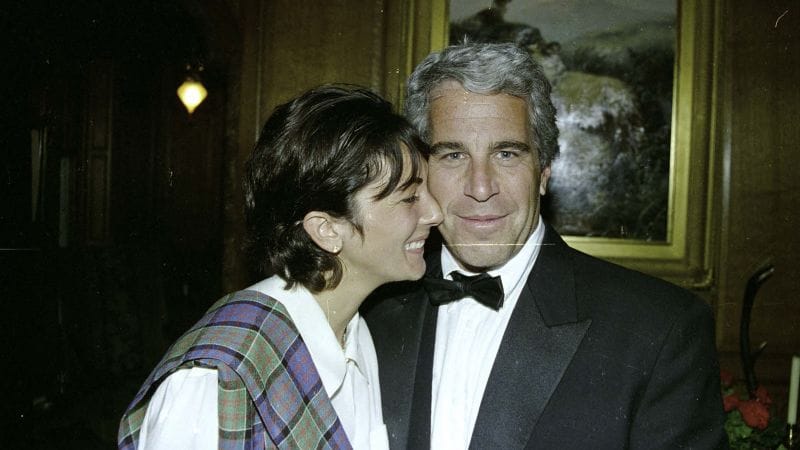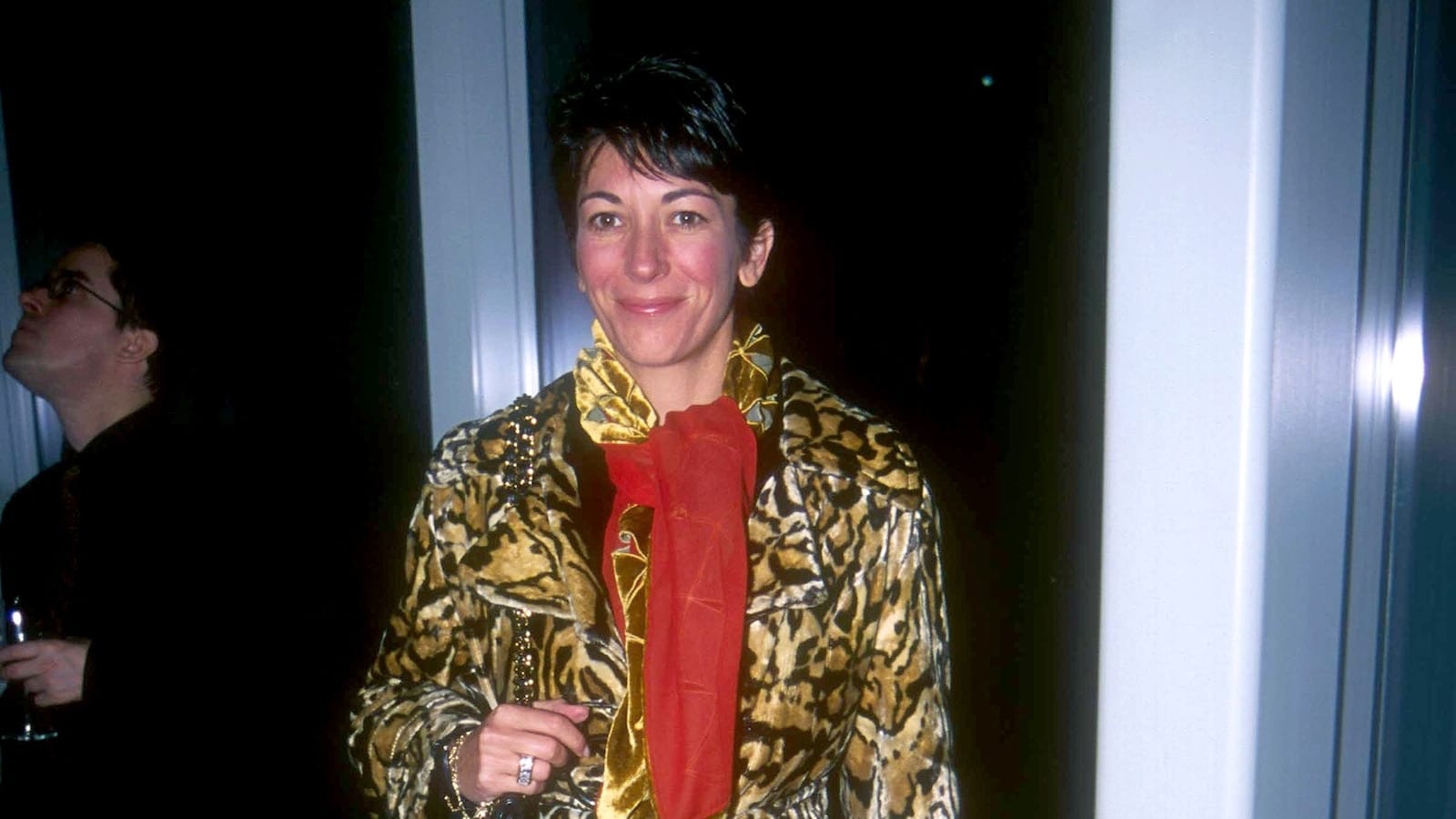
The Dam Finally Breaks: Why Maxwell’s Grand Jury Records Are a Game Changer
And let’s get one thing straight right off the bat: this isn’t just another boring legal proceeding where some judge signs off on paperwork nobody reads, or some minor technicality being cleaned up for the history books. No, this is a seismic shift, a major crack in the wall of secrecy that has protected the high-profile predators in the Jeffrey Epstein saga for decades, and frankly, I’m shocked it’s actually happening. Because for years, we’ve been hearing whispers, seeing small releases of information that just hinted at a bigger truth, but never gave us the full picture. The recent news that a federal judge, Paul Engel, granted the Justice Department’s request to unseal Ghislaine Maxwell’s grand jury records isn’t just a win for transparency; it’s a direct consequence of public pressure and, most notably, the ‘Epstein Transparency Act.’ Think about that for a second. We literally had to pass a law, a specific piece of legislation, to force the legal system to tell us what really happened, because the people involved were so powerful that they could lock everything away. It speaks volumes about the level of protection afforded to the rich and well-connected in this country, a system designed to keep secrets buried deep when the wealthy are implicated, while regular folks go through the wringer every single day without a second thought. And now, thanks to this new law, we might finally get a look at the real dirty details of the initial investigation into Maxwell, the one that supposedly led to her conviction, but which probably holds secrets about everyone else involved, too.
But here’s where it gets juicy: grand jury records are typically kept secret for a reason. The legal argument is that you need to protect the privacy of witnesses, ensure people feel comfortable testifying without fear of retribution, and not publicize potentially false accusations against people who weren’t ultimately charged. That’s the textbook answer, anyway. In reality, in cases like this, it’s a convenient excuse to protect the powerful, to ensure that the initial investigation’s findings and witness testimonies—the raw, unfiltered dirt—never see the light of day. The unsealing request from the DOJ itself, in compliance with this new act, feels like a calculated move to finally get ahead of the narrative. It suggests that perhaps the DOJ itself recognizes the absurdity of trying to keep this lid on a story that has captivated the public for years, a story where the primary narrative is one of cover-up and systemic failure. It’s almost as if they are admitting, “Okay, we messed up, let’s see what’s in here before someone else forces us to.” This isn’t just about Ghislaine Maxwell’s conviction anymore; it’s about understanding who else she implicated, who else was mentioned during testimony, and who got a free pass in the initial investigation. It’s about accountability for the powerful, something that feels increasingly rare in modern society.
The Ghislaine Maxwell Enabler Conundrum: What the Grand Jury Really Knows
Let’s be real: Maxwell wasn’t just some random accomplice in Epstein’s scheme; she was the co-pilot, the enabler-in-chief, the one who facilitated the whole dark operation. The grand jury records are going to shed light on a specific aspect of this whole saga that’s been shrouded in secrecy. When a grand jury decides on an indictment, they look at evidence that may or may not include information about co-conspirators who aren’t charged, or individuals who may have participated in the crimes but for whom there wasn’t enough evidence to move forward with a full prosecution at that moment. And this is where the real drama unfolds. Because while Maxwell faced trial and conviction for sex trafficking, the grand jury records are where witnesses would have provided specific names, dates, locations, and details about a much wider network. This isn’t just about who Maxwell brought to Epstein; it’s about who she interacted with, who knew what, and who actively participated in or benefited from this horrific ring. The unsealing of these records could reveal specific testimonies about individuals who were considered potential targets in the initial investigation but were never ultimately indicted. And let’s not forget the long-standing rumors about Epstein’s ‘black book’ and all the powerful figures listed in it. The grand jury records are where we might finally find some concrete evidence linking those names to criminal activity, moving beyond rumors and into hard facts. This is the difference between gossip and an actual, documented legal proceeding.
But here’s the kicker: we still don’t know exactly what will be released. The judge’s order allows for the unsealing, but there might be redactions. There will undoubtedly be fights over what information constitutes ‘public interest’ versus ‘individual privacy,’ even though we know that ‘privacy’ in this context often means ‘protection for the well-connected.’ The legal system, especially when dealing with high-stakes cases like this, moves glacially slowly, and every step of the way, lawyers for potentially implicated individuals will try to block, delay, or redact information. It’s a battle between the public’s right to know and the powerful’s right to maintain their carefully constructed facades. And because this whole thing has been a circus from day one, we’re likely to see a flurry of legal filings and injunctions trying to keep certain names and details hidden, even after the judge’s ruling.
The Unsealing and the History of the Cover-Up
This unsealing decision is a direct challenge to the very foundation of the Epstein cover-up, which goes back to that infamous non-prosecution agreement (NPA) from 2007. Remember that? Back then, Epstein got off with a sweetheart deal, a slap on the wrist, while his victims were left traumatized and silenced. That NPA was a masterpiece of legal maneuvering designed to protect Epstein and, by extension, everyone around him. The legal argument was that he cooperated, that he gave up information, and in return, he got leniency. But the underlying truth, as alleged by many, was that he was protected because the people he implicated were too powerful to be brought down. The unsealing of Maxwell’s grand jury records now represents a chance to expose the initial investigation that led to that NPA. It’s a look behind the curtain at who was really pulling the strings, who was mentioned in that initial investigation, and why they were protected in the first place. This isn’t just historical curiosity; it’s about accountability in the present day. Because if we find out that certain high-profile individuals were discussed in the grand jury back in 2007 or 2008, and nothing was done, it highlights a deep-seated corruption within the legal system itself. It’s not just about one or two bad actors; it’s about the entire apparatus being compromised when faced with money and influence. It begs the question: how many times has this happened before, where the rich simply pay to make their problems go away, and the victims are left without justice? This unsealing could be the first step in answering that question and, in doing so, challenging the very notion of ‘justice’ for the elite.
Future Implications: The Domino Effect of Transparency
Let’s talk about what happens next. Because this isn’t going to be a quick, clean process. The release of grand jury records, especially in a case as high-profile as this, often leads to a domino effect of revelations. First, expect a media frenzy, with every single detail being analyzed and scrutinized. Journalists, who have been trying to piece together this puzzle for years, will finally get access to primary source materials that could either confirm or debunk long-standing theories. Second, there will be legal ramifications. If new evidence or new names emerge, individuals who previously avoided scrutiny might find themselves facing renewed civil lawsuits or even criminal investigations. This is especially true given the high-profile nature of many of the people associated with Epstein, from politicians to celebrities to business magnates. Third, there’s the political fallout. The ‘Epstein Transparency Act’ itself highlights the political dimension of this case. The unsealing of these records could create significant political pressure on figures who were associated with Epstein or Maxwell. It could potentially end careers, force resignations, and change the political landscape. Imagine if a current politician’s name pops up in a testimony about interactions with Epstein; the public outcry would be immense, and it would create a crisis of trust in leadership. And because this whole thing is so messy, so deeply embedded in the upper echelons of society, there’s no telling where the fallout will stop.
This isn’t just about a single case; it’s about setting a precedent for future investigations. The idea that a powerful person can use their influence to protect themselves and their network through secrecy and manipulation is a deeply corrosive force in a democracy. If this unsealing leads to real accountability, it could be a turning point, signaling that even the most well-protected individuals can eventually be held responsible. But let’s be realistic, too. The fight isn’t over. The powerful will continue to fight tooth and nail to keep their names out of the headlines, and the legal system, which is inherently designed to favor those with resources, will continue to provide opportunities for delay and obfuscation. It’s a battle between transparency and opacity, and so far, opacity has had a pretty strong winning streak.
The Tabloid Perspective: Gossip vs. Justice
From a tabloid perspective, this is pure gold. It’s the ultimate ‘tea’ for the public. We’re talking about a case that involves sex, money, power, and high-stakes secrets. The unsealing of these records is essentially a promise of new gossip, new names, new angles to explore. But here’s where we need to be careful: the line between public interest and prurient interest can get blurry. The real goal here isn’t to simply name and shame celebrities; it’s to seek justice for the victims. The unsealing process, while driven in part by a desire for sensational headlines, must ultimately serve the purpose of accountability. We have to ensure that we are not just consuming this information for entertainment, but demanding real change from the system that allowed this to happen. The unsealing of Maxwell’s grand jury records is a necessary step, but it’s just one step in a very long journey. The real test will be whether or not these revelations lead to actual consequences for those involved, or if they just become another footnote in the history of celebrity scandals, quickly forgotten when the next big thing comes along. The public pressure has been immense, and it’s a testament to the fact that people are tired of seeing the rich and powerful get away with everything. This unsealing is proof that sometimes, public outrage can force a response from-the-top legal system to bend to the will of the people.
And let’s be honest, we’re not just hoping for justice; we’re hoping for a little bit of drama, too. We want to know exactly who was involved, exactly how high up this goes, and exactly what kind of secrets were being kept in the dark corners of Epstein’s world. This unsealing is the start of that process, and I for one, am ready for the show.