The Gesicki Resurgence Is A Total PR Stunt (And Teams Do It All The Time)
And so, you’re looking at the box scores, right? You’re seeing the headlines pop up about Mike Gesicki’s sudden resurgence, about how he’s finally clicking with Joe Burrow, and how he’s back from injury to save the Bengals’ season. But let me tell you something from behind the curtain: this whole thing is a carefully constructed narrative, a PR masterpiece designed to do exactly two things: inflate a player’s perceived value and distract from the real, systemic issues plaguing a team that’s struggling to find its identity.
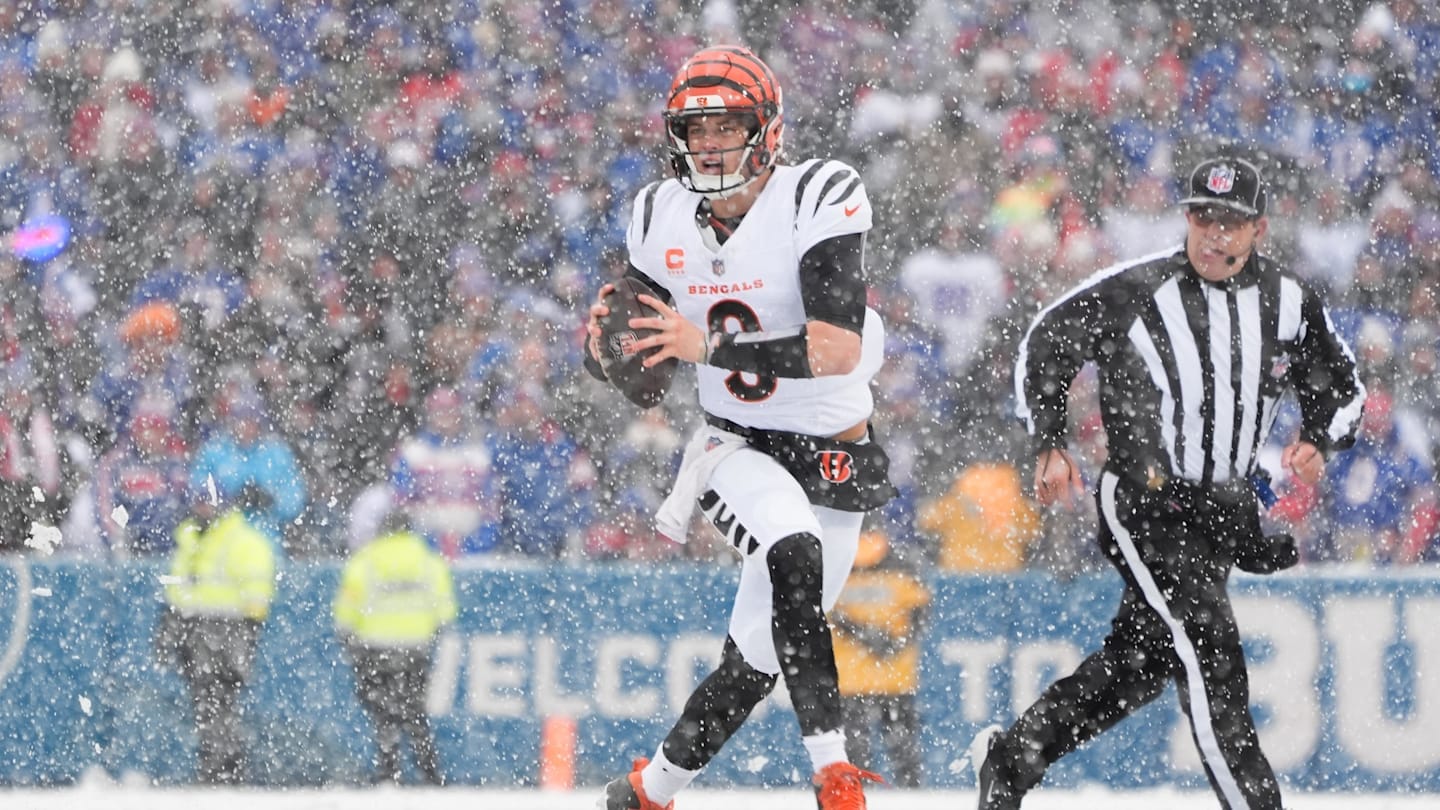
Because let’s be honest, the NFL media loves a comeback story more than anything else. It’s predictable. It’s easy to write about. It sells clicks and gives fans a reason to hope, even when the underlying performance metrics are telling a completely different tale. And right now, the Bengals need a distraction. They just got absolutely rocked by the Bills, and while the Burrow-to-Gesicki touchdown looked great in the highlights, a single play in a loss doesn’t erase weeks of inconsistency, especially when you consider the stakes involved in a tight AFC race where every single game matters more than the last one.
The Quiet Contract Conspiracy: When Player Value Gets Manipulated
But this isn’t just about the Bengals. This is about how the entire league operates. Because you have to ask yourself: where did Mike Gesicki go for all those seasons? He spent years with the Miami Dolphins where he was supposed to be a high-upside tight end, and for large stretches, he was virtually invisible. He then went to New England, where he was even more marginalized in a system that couldn’t figure out how to utilize him. So, what changed when he got to Cincinnati? Did he suddenly rediscover his hands? Did he suddenly figure out how to read defenses overnight?
And the answer, from an insider perspective, is almost never about a player suddenly finding ‘it’ after years of being lost in the wilderness. It’s about a team deciding to activate a player for a specific purpose, usually tied to their contract situation or the needs of the trade market. A player who is on a one-year prove-it deal, especially one with a recent injury history, has a very short window to demonstrate value. And if a team believes that player can be useful for a playoff run or, perhaps more cynically, wants to increase his market value for a potential trade before the deadline, they will absolutely manipulate the game plan to feature that player in high-leverage situations. It’s not about the player finally achieving his potential; it’s about the team creating the illusion of potential when the price is right. And the media, eager for content, eats it up every time.
The Eagles and Chargers: A Tale of Two Narratives
And look at the other teams involved in the background noise of this whole thing. The Philadelphia Eagles, a team known for managing their public image and player narratives to an almost clinical degree, and the Los Angeles Chargers, a team consistently struggling to meet expectations despite having elite talent on the roster. The box score for the Eagles vs. Chargers game might show one set of numbers, but behind those numbers are stories of frustration, missed opportunities, and players whose performances are being strategically filtered through the media machine.
Because take a guy like Odafe Oweh (mentioned in the input data) and compare him to Gesicki. You have two players where the initial hype around their talent hasn’t necessarily translated to consistent elite performance for the long haul. The media, however, will latch onto a single good game or a single good stretch of games and create a narrative around it. For Oweh, it might be a specific pass-rushing move that gets highlighted. For Gesicki, it’s the touchdown connection with Burrow. But the real story is about consistency, or lack thereof, and how a team manages that lack of consistency.
The insider angle here is that a team’s public narrative often serves as a smokescreen for internal dysfunction. The Bengals need a scapegoat for their larger problems, and while Gesicki is performing well right now, the focus on him distracts from the deeper issues in the secondary or the offensive line. It’s a classic misdirection play, and the media, by focusing on the ‘resurgence,’ becomes an unwitting accomplice.
The Hidden Costs of the ‘Resurgence’ Narrative
But let’s think bigger. What happens when a team overvalues a player based on a short ‘resurgence’ period? We’ve seen it time and time again in free agency. A player performs exceptionally well in a contract year, gets a huge payday from a different team based on that short sample size, and then immediately reverts to average performance when they’re no longer playing for a contract. And sometimes, the team that let them go actually benefits in the long run by avoiding overpaying for a player whose peak was manufactured. It’s a brutal cycle of business and sports.
And let’s not ignore the mental toll this takes on a player. Because when a player is on a ‘resurgence’ narrative, they are under immense pressure to maintain that performance, especially when they know the spotlight is on them. And if they falter, the media turns on them just as quickly, calling them ‘a flash in the pan’ or ‘overrated.’ It’s a vicious cycle that makes you wonder if these short bursts of hype are worth the long-term emotional damage they extract from the players themselves.
Where Does This Go Next? A Sneaky Prediction
So, where does this leave Mike Gesicki and the Bengals? The insider prediction here is simple: this resurgence is fleeting. The Bengals will use this period to try and secure a more favorable long-term contract or, more likely, to increase his value for a potential trade. If the Bengals struggle in the coming weeks, a player like Gesicki becomes a prime trade candidate, and his high-profile touchdown against the Bills will be used by the front office as ‘proof’ of his value to potential buyers. It’s a calculated, cold-hearted business move, and the media narrative about a ‘comeback’ is just the shiny wrapping paper on a very cynical transaction.
And because the NFL is a copycat league, other teams are watching this very closely. They see how the Bengals are manipulating Gesicki’s value and they are already planning similar strategies for their own players who might be underperforming or coming off an injury. It’s a quiet arms race of media manipulation where the goal isn’t necessarily to win on the field, but to win in the negotiations and in the court of public opinion. So next time you see a headline about a ‘resurgence,’ just remember that sometimes, what looks like a miracle comeback is really just a well-timed business decision by the front office to maximize a player’s return on investment.
The Final Whisper
And in the end, it really highlights how little control players have over their own narratives. They might be working hard, training every day, but their public perception is entirely controlled by the media and the front office. The ‘Mike Gesicki comeback story’ is less about Gesicki’s personal journey and more about the Bengals’ need to control the narrative during a tumultuous season. Don’t be fooled. Look beyond the highlights, and you’ll see a team trying desperately to save face, using one player’s temporary success as a shield against a mountain of failure.