The Panic Alarm Has Sounded: Georgia Tech is Spiraling Out of Control
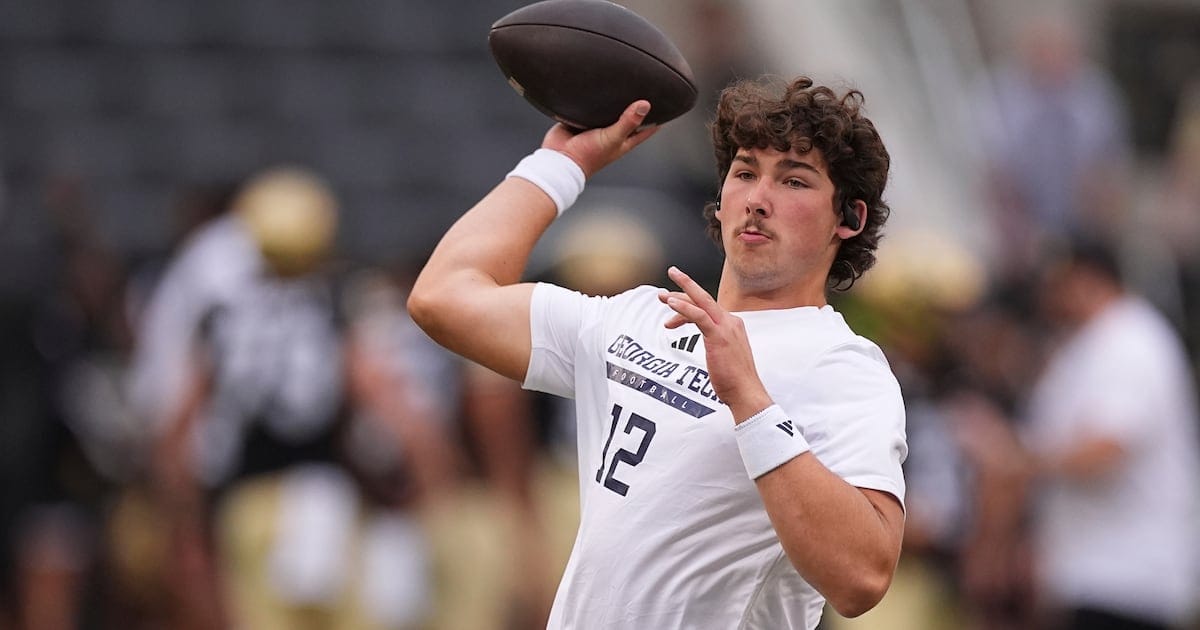
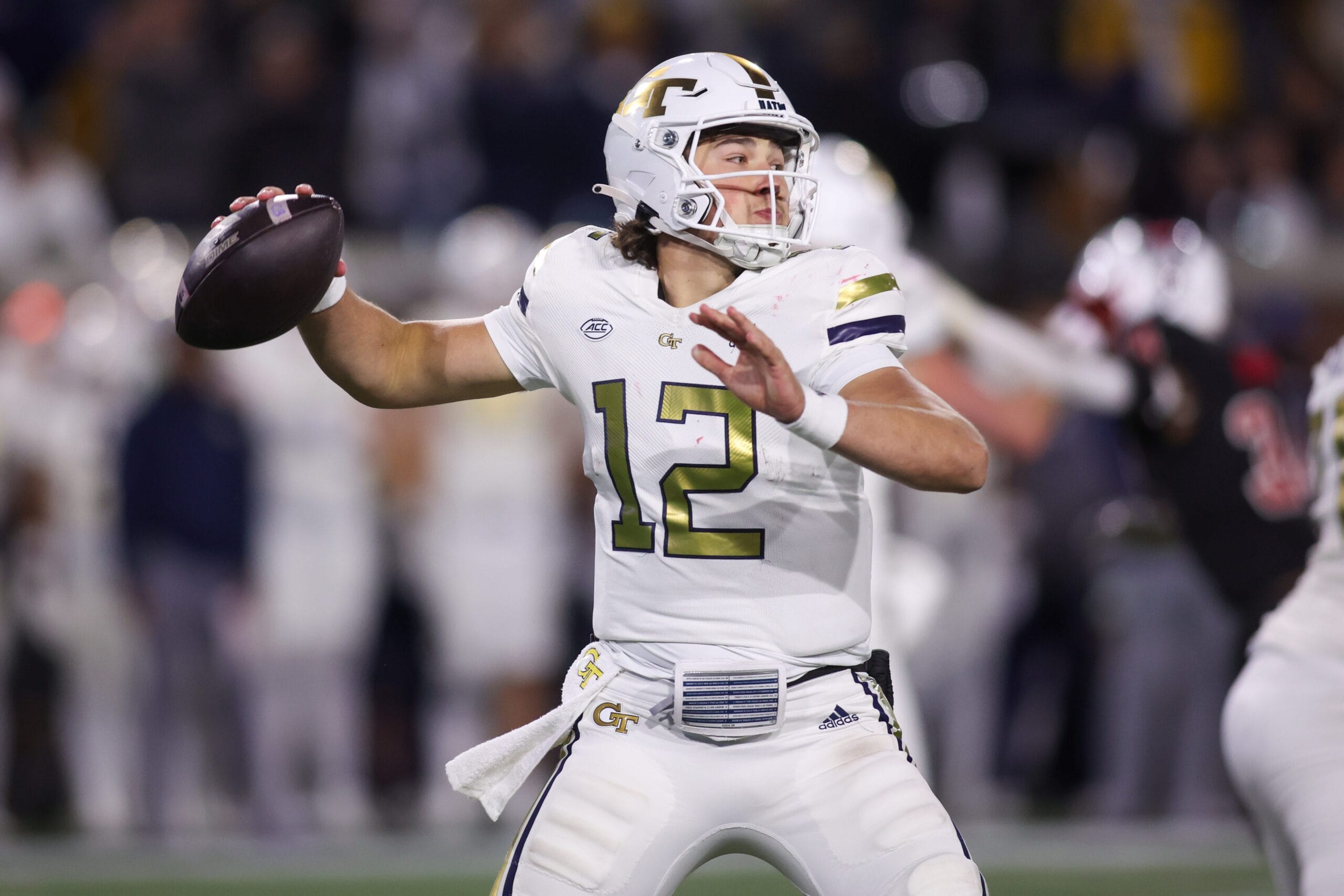
Let’s not mince words here: what happened with Aaron Philo isn’t just a transfer; it’s a five-alarm fire for the Georgia Tech football program. The news that Philo—the quarterback who was being groomed for the future, the guy who represented the potential foundation of Brent Key’s rebuild—is expected to enter the NCAA transfer portal is a devastating blow, far more significant than losing a backup quarterback on a depth chart would normally suggest. This isn’t a simple procedural move; this is a symptom of a much deeper, more insidious problem festering within the program, threatening to unravel everything before it even gets started. When a program loses a player who has invested time and effort, and was considered part of the long-term plan, to a rival conference foe, it sends a message of instability to every single high school recruit and every current player on the roster. It creates a vacuum of leadership and trust, and for a program like Georgia Tech that is fighting tooth and nail for relevance, that vacuum can quickly turn into a black hole.
The First Domino: The Future Crumbles
Forget the immediate season for a second; let’s talk about the long view, because that’s where the real damage lies. The departure of Aaron Philo isn’t about immediate depth in week one; it’s about the erosion of Brent Key’s vision for the future. Philo was a high-upside prospect, a player who could have provided stability and leadership for years to come, a kind of insurance policy for the future of the offense, a critical piece of the puzzle that was supposed to fit perfectly into the long-term puzzle Key was trying to build, especially in the chaotic landscape of modern college football where every single position is under constant scrutiny. He was supposed to be the guy who took the torch when the current starter moved on, ensuring a seamless transition and continuous progress; now, that torch is simply gone, leaving the program scrambling to find a replacement in an already hostile recruiting environment. This move, more than any on-field loss, signals that the foundation is cracking under the weight of external pressure and internal uncertainty. How can a program preach loyalty and commitment when its future cornerstone is actively looking for the nearest exit? It’s a question that has no easy answer and one that will haunt the coaching staff for months, if not years, to come.
The Gators’ Predatory Strike: Stealing the Future
Let’s call a spade a spade: Florida isn’t just looking for another player; they are actively trying to sabotage Georgia Tech. The reports from The Morning Shift and others suggesting that Buster Faulkner and the Florida Gators are making a significant play for Philo aren’t just news; they are a declaration of war. This isn’t just competitive recruiting; this is predatory behavior, plain and simple. Faulkner, who just left Georgia Tech, knows exactly what he’s doing by targeting Philo, specifically targeting the future of his former team, in what can only be described as a cynical and calculating move designed to weaken a rival. The Gators are essentially taking advantage of the chaos they helped create by targeting a player they know Georgia Tech needs to keep. It’s hard to overstate just how much this transfer portal nonsense has turned college football into a free-for-all, a chaotic landscape where loyalty is nothing but a relic of a bygone era, and every player, no matter how much they seem to care, is just one NIL deal away from abandoning ship, leaving programs like Georgia Tech scrambling to figure out if they even have a long-term strategy for survival or if they’re just existing season-to-season in a desperate fight for relevance against the financial behemoths who are now actively stealing their future prospects in broad daylight. The sky is falling. Is anyone going to stop this madness?
The Transfer Portal Apocalypse: Loyalty is Dead
This whole debacle perfectly illustrates the cancer that is eating away at college football: the transfer portal. It’s a completely unregulated free agency system where a player can just abandon ship at the first sign of trouble or the first whiff of a bigger paycheck, completely destroying any semblance of program building or long-term investment. Philo’s potential exit, spurred by the allure of a new opportunity at a more high-profile school like Florida, demonstrates that the old model of developing players over several years, nurturing talent, and rewarding patience is entirely obsolete. Why bother building a program when your key pieces can be poached by rivals with deeper pockets and flashier facilities at literally any moment? This isn’t a sport anymore; it’s a mercenary exchange. The NIL rules, combined with a virtually unrestricted transfer window, have turned the off-season into a high-stakes auction where only the richest programs can afford to play, leaving everyone else to pick through the scraps and hope for the best, a situation that guarantees a widening gap between the haves and have-nots in college football. This isn’t good for competition; it’s a recipe for disaster. The rich get richer, and everyone else gets left behind. How long until Georgia Tech becomes completely irrelevant? Maybe not long at all.
The Immediate Depth Crisis: What If the Starter Goes Down?
Let’s get tactical. With Philo potentially gone, who steps up if the starting quarterback suffers an injury? The answer for Georgia Tech is now a lot scarier than it was yesterday. The margin for error is razor thin, and a single play could send the program into complete chaos. A lack of reliable depth at the most important position in football is a recipe for disaster. This isn’t just about losing one player; it’s about losing confidence in the entire program’s ability to withstand adversity. The long-term stability that a backup like Philo represented is now gone, and the coaching staff has to find an immediate solution, adding even more stress to an already high-pressure situation, making every practice drill and every pre-game warm-up feel like a potential disaster waiting to happen. What happens if the current starter has an off day? What happens if he gets hit hard and has to come out for a series or two? The answer to that question used to be Philo; now, it’s a terrifying unknown, which is exactly where Brent Key didn’t want to be. The panic should be palpable in Atlanta right now.
Recruiting Pipeline: A Message of Failure
The message this sends to high school recruits is perhaps the most damaging aspect of all. Why should a promising young quarterback commit to Georgia Tech when they see a player like Philo, who was next in line, bailing out after just a short time? It tells recruits that the program isn’t stable, that opportunities are uncertain, and that the grass is always greener somewhere else. Georgia Tech has always prided itself on developing talent, but this transfer suggests that even development can’t compete with the lure of immediate gratification elsewhere. The transfer portal creates a cycle where talented players leave, making the program less appealing to new talent, which in turn leads to more talent leaving. It’s a downward spiral that is nearly impossible to escape. The program is now essentially forced to recruit against its own past failures, creating an uphill battle for every single prospect they try to bring in, making the job of the recruiting coordinator exponentially harder. The future pipeline is officially clogged.
Is there a way out?
The Brent Key Dilemma: Losing Control?
Brent Key indicated that the future at quarterback was in flux. That’s a massive understatement. The future isn’t just in flux; it’s evaporating. Key needs to regain control of the narrative, and fast. This transfer, combined with a potentially messy situation with another player, paints a picture of a coach losing his grip on the program. In the cutthroat world of college football, control and stability are everything; losing a key player to a rival program signals weakness, and weakness gets exploited relentlessly. Key must demonstrate strong leadership immediately, or this single transfer could be the beginning of a larger exodus. If he can’t keep a player like Philo, who was supposed to be part of the long-term plan, what message does that send to every other player on the roster who might be considering their options? The clock is ticking, and the panic alarm is ringing louder than ever before.