
The ‘Insider Leaker’s’ View: What Really Happened at the GE Vernova Investor Event
Listen up. The headlines are screaming about how GE Vernova (GEV) is suddenly an AI superstar, with the stock doing a moonshot, up nearly 100% this year and another 10% just on a single investor day. You see the reports about higher dividends and buybacks, and the talking heads on financial news channels are calling it a green energy play for the future. But let’s be real. If you believe GEV is leading the charge on a truly clean, sustainable future, you’re not paying attention to where the real money is being made, or how corporate spin works in a high-stakes market where AI hype trumps all logical analysis. I’m telling you, this is a classic case of kicking the can down the road, and GEV just showed everyone exactly how they plan to profit from the short-term panic of Silicon Valley’s insatiable hunger for power.
What did GEV actually announce to justify this incredible stock surge? They didn’t invent a new battery or launch a fusion reactor. They told the market exactly what it wanted to hear: that natural gas-fired power generation is going to be incredibly robust for years to come. In other words, they’re telling everyone that the green transition is taking a detour, or maybe even stopping altogether, because the AI revolution has created an urgent, existential crisis for power grids globally. And GEV just happens to sell the components needed to solve that crisis, which are, ironically, the exact components that environmentalists have been trying to phase out for over a decade now. It’s a complete pivot, and the market absolutely loves it because the green transition was too slow, too messy, and frankly, a whole lot less profitable in the short term than this sudden, desperate need for reliable power.
Why is GE Vernova Suddenly an AI Stock?
The core of the issue, and the confidential information that truly drives this narrative, is simple: AI requires absolutely obscene amounts of electricity. Think about it. When you’re training a large language model, you’re not just crunching numbers; you are essentially running millions of computations simultaneously, generating a huge amount of heat and requiring a constant, uninterrupted power flow. The data centers needed to support this new wave of generative AI are a different beast entirely from the previous generation. They are power hogs on a scale we haven’t seen before, and they need power that’s reliable 24/7. This creates a massive problem for the grid operators who have spent the last decade trying to integrate intermittent sources like solar and wind, which are great when the sun shines and the wind blows, but completely useless when it doesn’t.
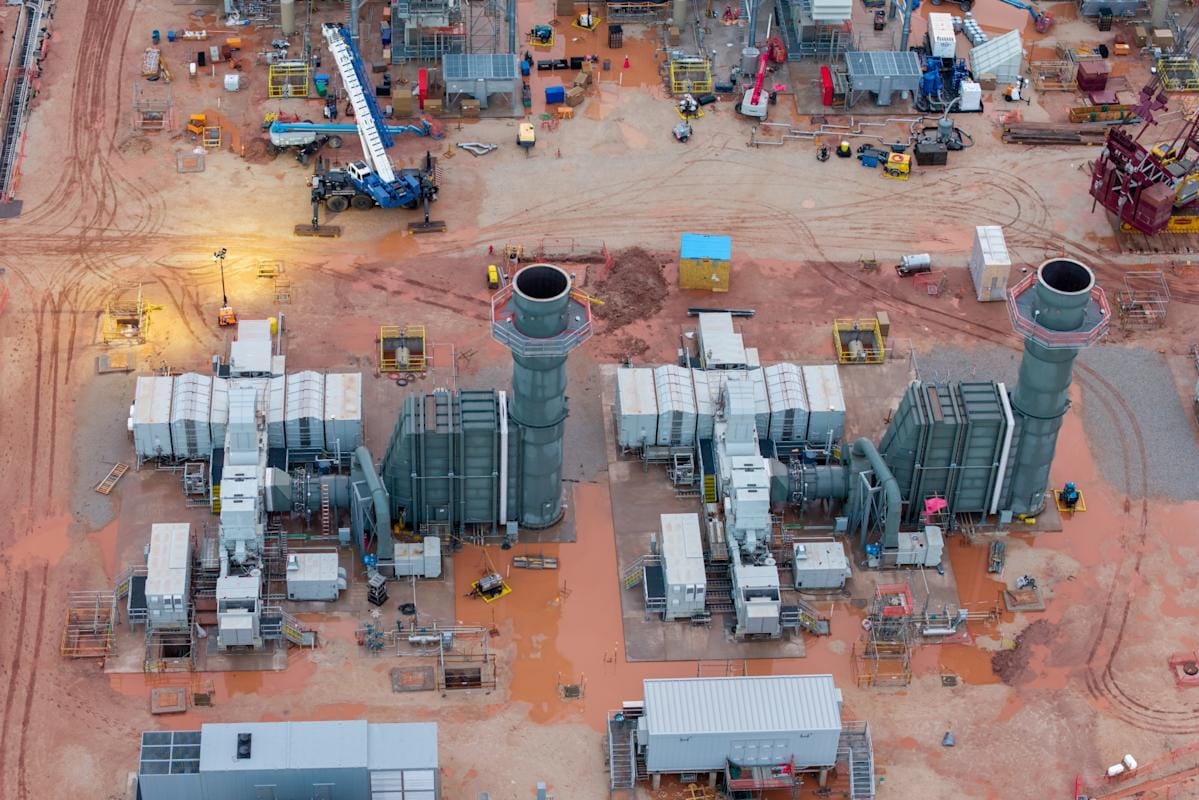
So, what’s the immediate, pragmatic solution when tech companies like Microsoft, Google, and Amazon are demanding new data centers faster than you can build them? It’s natural gas. Natural gas power plants are flexible; they can ramp up quickly to meet demand, providing that essential baseload power to cover the gaps when renewables fall short. This isn’t a long-term strategy; this is a necessity. GEV, which makes the turbines, generators, and grid software for these gas plants, is perfectly positioned to sell the shovel to a gold rush where the prospectors are desperate and willing to pay top dollar for quick solutions. This isn’t a technological breakthrough by GEV itself; it’s a strategic exploitation of a market failure created by the collision of two massive trends—the AI boom and the struggling green transition—and GEV is taking advantage of that collision for maximum profit. They are basically saying, ‘You want AI? You’re going to need gas.’ And the market responded with a standing ovation, because money talks, and greenwashing walks.
The Insider Story: A Tale of Two Companies
You have to understand the history here. GE Vernova is a spin-off from the old General Electric conglomerate, which, frankly, was a disaster for many years. The old GE was bloated, inefficient, and struggled to innovate. The whole point of splitting it up was to unlock value in specific business units. GE Vernova took the energy components—the power generation, the renewables, and the grid solutions—and spun them off as a separate entity. The narrative for the spin-off was initially focused heavily on renewables, on being a part of the ‘green future,’ but let’s look at what’s actually driving the revenue right now. It’s the gas-fired power generation. The market has always been skeptical about the profitability of renewables alone, especially with the intense competition from Chinese manufacturers in solar and wind.
Now, GEV is essentially riding the AI coattails to rewrite its own story. They are using the AI narrative to justify an investment in what was supposed to be a dying industry. It’s brilliant corporate strategy. By emphasizing that their technology is crucial for AI, they’ve shifted from being a ‘legacy industrial’ company to being an essential ‘infrastructure technology’ company in the eyes of investors. But don’t be fooled. GEV isn’t creating the future; it’s providing a temporary solution to a problem created by the future. The real challenge for them is that this solution is inherently short-term. The green transition isn’t going away, and eventually, natural gas will face increasing regulatory pressure and competition from emerging technologies like small modular reactors (SMRs) or even fusion, which are the real long-term solutions for carbon-free baseload power. GEV is currently reaping the rewards of being the best option available *right now*, but that window of opportunity might be tighter than investors realize.
Aggressive Question & Answer Session: The Raw Truth
Q: Is GE Vernova genuinely committed to the green transition, or is this AI hype just a distraction?
Let’s not be naive. GEV’s public messaging will always prioritize the ‘green transition’ and ‘decarbonization’ to meet ESG requirements, satisfy regulators, and maintain their image. But behind closed doors, a corporation’s primary directive is to maximize shareholder value. The reality is that the renewable energy business unit for GEV has been struggling with profitability and supply chain issues for years. The AI boom offers a lifeline by creating massive demand for the gas turbines and power systems that are actually profitable. GEV is absolutely committed to the green transition *if* it makes them money, but right now, the money is coming from the gas side. The AI narrative allows them to invest heavily in gas while simultaneously claiming they are supporting the growth of ‘next-generation technology,’ thus dodging criticism from environmental groups and pleasing investors who are only focused on the bottom line. It’s the definition of having your cake and eating it too.
Q: What about the buybacks and dividends? Is that a sign of health or a market manipulation tactic?
This is where the insider perspective really comes into play. When a company announces significant buybacks and increased dividends immediately following a massive stock run-up, it’s a very clear message to the market: ‘We believe our stock is still undervalued, and we are willing to put our cash reserves behind that belief.’ However, in GEV’s case, it also functions as a powerful reinforcement mechanism during a period of intense hype. The stock has run up nearly 100% this year. Announcing buybacks at this level of valuation is a high-stakes move. It signals confidence, but it also creates artificial demand, potentially preventing a short-term correction. It’s a classic move by management to reward existing shareholders and keep the positive momentum going. The real question isn’t whether GEV has the cash; it’s whether they are using that cash to truly innovate for the future or simply to juice the stock price by capitalizing on the AI narrative that’s sweeping the market. It smells like a short-term reward strategy designed to cement this new, higher valuation, rather than a long-term capital allocation plan focused on fundamental investment in-house growth.
Q: How long can this ‘natural gas bridge fuel’ narrative hold up before new tech replaces it?
This is the billion-dollar question. The data center buildout frenzy is happening *now*. Tech companies cannot wait for small modular reactors (SMRs) to be mass-produced, which are still years away from full deployment. They can’t rely solely on solar and wind without facing power outages and grid stability problems. So, for the next three to five years, GEV is perfectly positioned. Natural gas is the only scalable, reliable solution to meet this immediate surge in AI power demand. However, this is where the risk lies. The moment SMR technology achieves economies of scale and proves its safety and cost-effectiveness, or when advances in large-scale battery storage (like iron-air or flow batteries) solve the intermittency problem, GEV’s core value proposition for new builds evaporates. They are essentially selling a technology with a built-in obsolescence date, though that date is far enough in the future to keep investors happy for now. The insider view here is that GEV knows this; they are racing against the clock to sell as many turbines as possible before the next truly disruptive technology hits the market and renders their current solutions obsolete. This isn’t a long-term investment in a new energy source; it’s a high-stakes bet on a temporary necessity, and a bet that pays off big for those who exit at the right time of the hype cycle.
Q: What are the biggest hidden risks for GEV’s future, and what should investors be looking for?
behind the headlines?
The biggest risk, and this is confidential, is regulatory risk. The AI power demand is undeniable, but so are the climate commitments made by governments globally. The European Union and various U.S. states have ambitious carbon reduction goals. The current political climate favors natural gas as a bridge fuel, but that support could vanish quickly with a change in administration or a new climate agreement. If regulations tighten and place a high cost on carbon emissions, GEV’s gas power solutions will suddenly become far less attractive. Another hidden risk is the cannibalization of their own business units. GEV also sells renewable energy solutions, and they need that side of the business to succeed to maintain their ‘green’ credentials. The more they push gas to meet AI demand, the more they potentially undermine their own renewable business and credibility. The future success of GEV depends on navigating this internal contradiction while simultaneously dealing with the inevitable rise of SMRs and other next-generation power solutions that threaten to replace natural gas entirely within the next decade. This is not a risk-free investment; it’s a high-reward, high-risk play based on a temporary market dislocation that could change at any moment.
Photo by jdblack on Pixabay.