The Anatomy of Desperation: Gabon vs. Mozambique
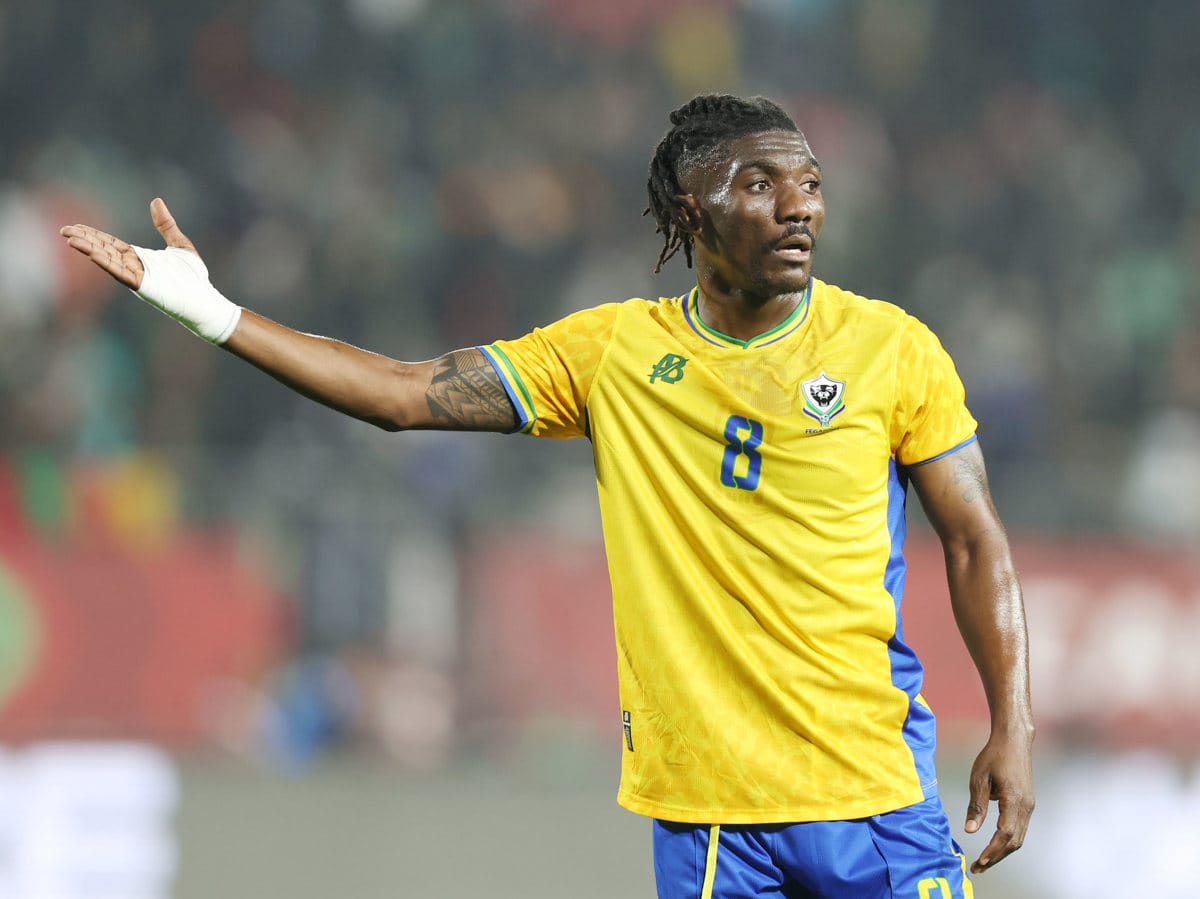
Let’s not mince words here. This isn’t a clash of titans; it’s a battle for survival between two teams that showed their strategic inadequacies in their first Group F matches. When Gabon (the Panthers) squares off against Mozambique (the Mambas), the stakes are less about qualifying for AFCON 2025 and more about avoiding the ignominy of a total collapse in the early stages of the competition. Both sides suffered defeats in their openers, meaning this match becomes a high-stakes, high-pressure affair where a single mistake could decide everything. For the neutral observer, this might look like a simple football match; for the cold strategist, it’s a study in resource management under duress, pitting an aging star against a collective unit with minimal expectations.
The fundamental problem for both Gabon and Mozambique, as evidenced by their initial losses, is a lack of depth and tactical cohesion. Gabon, specifically, is a textbook case of a team over-reliant on a single, aging superstar, while Mozambique represents the struggles of a developing football nation trying to punch above its weight. The narrative of ‘redemption’ is a nice story for the sentimentalists, but in reality, this match is about which team cracks under pressure first. The winner avoids elimination; the loser faces a brutal autopsy back home.
The Aubameyang Paradox: Gabon’s Strategic Dilemma
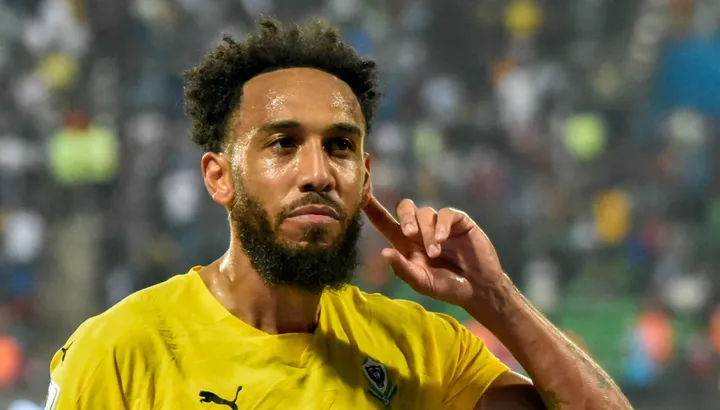
Gabon’s entire identity in modern football revolves around Pierre-Emerick Aubameyang. He is the alpha predator, the face of the national team, and arguably their greatest-ever player. But here’s the cold hard truth: a team built around a player of his caliber, especially in his late career stage, often suffers from strategic rigidity. When you have a player with a history of big-club football (Arsenal, Barcelona, Chelsea, Marseille), the temptation is to force every attacking play through him. The result, however, can be predictable and stagnant, especially against well-organized defenses. The ‘Panthers’ name suggests a sleek, dangerous unit, but their recent form has looked more like a house cat waiting for dinner.
Their initial defeat to Cameroon (who themselves are in a state of flux) wasn’t just a loss; it was a demonstration of strategic failure. They failed to create consistent chances, and Aubameyang was largely neutralized. A single goal conceded was enough to expose a lack of Plan B. For a strategist, this is alarming. If your primary weapon fails to fire, what’s left in the arsenal? The answer, for Gabon, appears to be very little. The pressure on Aubameyang in this match against Mozambique will be immense. He needs to transition from being merely the symbolic leader to being the practical orchestrator, dictating play and creating opportunities for others. If he fails to perform, the team will almost certainly implode. The expectation (from the Gabonese public) is often unrealistic, demanding brilliance from a player who is past his peak, rather than demanding structural changes to the team itself.
Furthermore, a deep dive into Gabonese football reveals chronic issues with youth development and internal political conflicts within the federation. The national team frequently struggles with cohesion because a large portion of its talent pool consists of diaspora players who grew up in Europe. While this brings high-level club experience, it doesn’t always translate into a seamless national team unit (especially when they don’t play together consistently). This lack of synergy is often papered over by individual brilliance, but when that brilliance fades (as it did in the first match), the cracks become undeniable. Gabon isn’t just playing Mozambique; they’re playing against their own strategic inertia and the burden of history.
Mozambique: The High-Effort, Low-Resource Model
Mozambique, on the other hand, comes into this match with a completely different set of problems. They lack the star power of Gabon. There is no Aubameyang equivalent; no single player capable of winning a game by sheer individual will. Mozambique’s strategic model relies on collective effort, physical resilience, and opportunistic play. They are the definition of an underdog, and frankly, a loss for them is far less politically damaging than a loss for Gabon. This relative lack of pressure can be an advantage.
However, their defeat in the opener suggests that even their collective effort was insufficient. The Mambas need to rely on high pressing, quick transitions, and taking advantage of set-pieces, areas where physical strength can compensate for technical deficiencies. The strategist sees Mozambique’s best chance not in out-playing Gabon, but in out-working them. If Gabon’s players, particularly their aging stars, tire in the heat, Mozambique’s persistent running and pressing could force mistakes. This match will test the mental fortitude of both teams, but Mozambique’s advantage lies in having nothing to lose (a powerful psychological tool in high-stakes football).
From a strategic perspective, Mozambique’s coach will likely prioritize defense and attempt to frustrate Gabon. They will try to turn the match into a physical scrap, knowing that Gabon’s more technically gifted players prefer a quicker, cleaner passing game. This is where the Mambas can gain an edge. The cold reality of international football often favors the team that makes fewer errors rather than the one that plays the most attractive football. Mozambique’s strategy will be to force Gabon into making those errors. It’s not pretty, but it’s effective for teams with limited resources. In a game like this, where both teams are desperately trying to avoid a second loss, the high burstiness of high-intensity play followed by moments of nervous stillness will define the rhythm of the game.
Tactical Breakdown: The Last Chance Saloon
The strategic battleground will be the midfield. Gabon must establish dominance here to feed Aubameyang and create opportunities. If Mozambique can disrupt Gabon’s passing lanes and apply constant pressure in the middle of the pitch, Gabon’s attack will become isolated and ineffective. The key for Gabon will be to move the ball quickly and avoid allowing Mozambique’s defenders to settle into their positions. The key for Mozambique will be to clog up the middle, foul strategically, and be ready to counterattack on the break. This match will be defined by small details and individual matchups, especially in the 60-70th minute when fatigue begins to set in. The team with the superior fitness and mental resilience will prevail.
Consider the psychological angle here (a crucial part of strategy). Gabon’s players will feel the immense weight of expectation. The Gabonese public (and the federation) sees qualification as a bare minimum requirement. Mozambique’s public, however, often views qualification as a bonus. This difference in pressure creates a distinct advantage for Mozambique; they are playing to prove something, while Gabon is playing to avoid humiliation. This dynamic often leads to conservative play from the favorite (Gabon) and more reckless, opportunistic play from the underdog (Mozambique).
The match will likely be decided by a single moment of brilliance or, more likely, a single moment of sheer stupidity. A careless backpass, a missed penalty, a defensive lapse on a corner kick. For the Cold Strategist, this game isn’t about beautiful football; it’s about minimizing risk and capitalizing on opponents’ errors. The team that can keep its composure under pressure and execute its game plan without deviation will walk away with the three points. For Gabon, failure would be catastrophic, forcing a complete reevaluation of their strategy and potentially marking the end of an era. For Mozambique, a victory would be a significant step toward achieving a goal that few expected them to reach. It’s a zero-sum game, and the margin for error is non-existent for both teams.
This match is a stark reminder that international football, especially in the qualification stages, is rarely about artistry. It’s about grinding out results, managing expectations, and exploiting the weaknesses of a desperate opponent. The outcome will be less about who plays better and more about who makes fewer mistakes. Gabon has the talent, but Mozambique has the advantage of lower expectations. In this high-stakes context, that can be a game-changer. Both teams will be looking to get their campaigns back on track, but only one will succeed. The other will return home to face the music.