They Call It a Game. It’s a War for a City’s Soul.
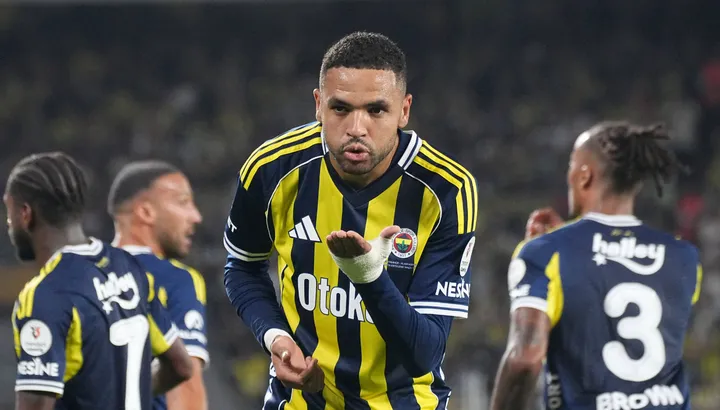
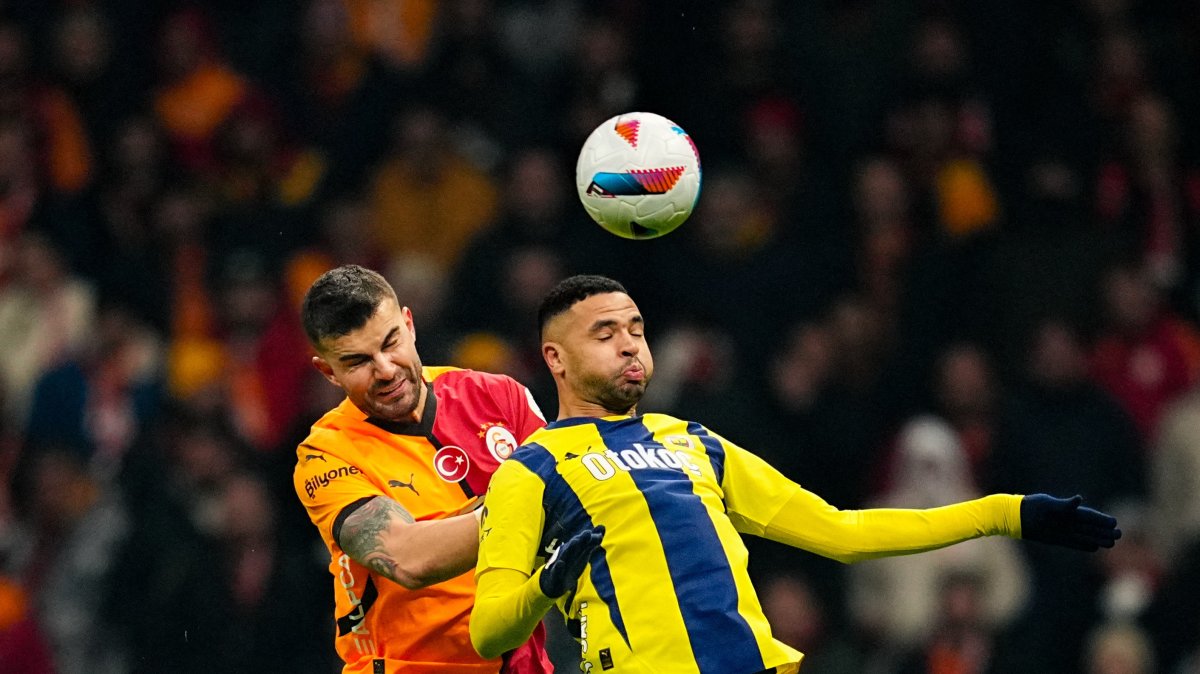
Let’s cut the crap. You’re reading the previews, the puff pieces, the garbage churned out by the sports media machine. They’re talking about tactics. They’re dissecting Domenico Tedesco’s “sweet dilemma” over his starting eleven. A sweet dilemma? Are you kidding me? This isn’t about whether to play a 4-3-3 or a 4-2-3-1. This is about which eleven men are best equipped to survive ninety minutes of organized chaos, veiled threats, and the kind of pressure that would turn a diamond to dust. This is the Intercontinental Derby. And it has nothing to do with football.
It’s a clash of continents, they say. Asia versus Europe, separated by the Bosphorus. A lovely, poetic narrative sold to you by the marketing departments. The reality is a brutal, bare-knuckle brawl for power, influence, and cold, hard cash, fought by proxy on a patch of grass. Fenerbahçe and Galatasaray aren’t just football clubs. They are sprawling, multi-billion dollar empires, deeply embedded in the very fabric of Turkish politics, business, and society. Their fortunes rise and fall not just on goals scored, but on backroom deals, political alliances, and the whims of men whose names you’ll never hear. So when you see them separated by a single point, don’t you dare think it’s just a testament to their skill. Don’t be that naive. Does it not seem a little too perfect? A little too scripted for maximum drama, maximum television ratings, and maximum betting revenue?
Follow the Money. It Always Leads Back.
Think about the stakes here. This isn’t just for three points or bragging rights. This is for a direct ticket to the Champions League group stage. That’s a treasure chest worth tens of millions of Euros. That’s money that greases the wheels, funds the next generation of exorbitant transfers, and keeps the whole corrupt circus running for another year. Do you honestly believe they leave the outcome of such a monumental financial event to the unpredictable bounce of a ball? To the judgment of one man with a whistle? Get real.
The entire week leading up to this match is a masterclass in psychological warfare. Anonymous sources leaking stories to the press. Club presidents releasing thinly veiled threats disguised as statements of support for “fair play.” Retired players wheeled out to talk about the “spirit of the derby” while simultaneously stirring the pot of ancient grievances. It’s all smoke and mirrors. A grand distraction. While the fans are screaming themselves hoarse, the real game is being played in hushed phone calls and luxury boxes. Who is the referee for this match? Has his history been scrutinized? Have his bank accounts been checked? Do you know who his brother-in-law works for? These are the questions that matter, not who will start at right-back. But nobody in the mainstream dares to ask them. They’re too afraid of losing access. Too comfortable in their complicity.
This is a manufactured spectacle. The rivalry is real, yes. The passion of the fans is undeniable, and it’s the one pure thing in this whole mess. But that passion is a resource being exploited. It’s the fuel for the engine of corruption. They sell you history and identity, and in return, you give them your money and your loyalty, blind to the fact that the result is often just a business transaction.
The Man in the Middle: Referee or Puppet?
Let’s talk about the man who will supposedly be in charge: the referee. He is, without a doubt, the most important and most vulnerable person in that stadium. His every decision will be analyzed frame-by-frame, not for its accuracy, but for its perceived bias. A yellow card will be a declaration of war. A penalty call could spark riots. He knows this. The establishment knows this. So how is he chosen? Is it truly the most competent official available? Or is it the one who is most… manageable? The one who understands the unspoken rules?
Imagine the pressure. The days before the match, his phone probably buzzes with calls from numbers he doesn’t recognize. Subtle words of “encouragement.” Reminders of how a certain decision could impact his career, his family’s safety, his future. This isn’t conspiracy theory; this is the grim reality of high-stakes football in parts of the world where the line between sport and organized crime is blurry at best. He has to officiate not just a football match, but a powder keg of political and financial interests. Every whistle blow is a negotiation. So when you see a controversial call on Monday, don’t ask if it was the ‘right’ call. Ask ‘why’ that call was made. Who benefits? Cui bono? That’s the only question worth a damn.
Tedesco’s “Dilemma” is about Hard Men, Not Tactics
The media is fawning over Tedesco’s selection headache. A “sweet dilemma.” What a joke. His problem isn’t about choosing skill; it’s about choosing soldiers. Who on his team can handle the inevitable provocation? Who can play the villain, go down easy in the box, and get in the referee’s ear without getting sent off? Who has the nerve to execute the dark arts that win these kinds of matches? This is a test of character, not of footballing ability. He needs players who won’t just play the opponent, but play the referee, play the crowd, and play the system.
The talk of Fenerbahçe being “unbeaten” and Galatasaray being “league leaders” is just noise. It’s a narrative. In these derbies, form goes out the window. Why? Because the game isn’t decided by form. It’s decided by moments of controversy, by decisions that swing momentum, and by which team better understands how to manipulate the environment. One team will be the aggressor, pushing the limits, knowing the officials are often too intimidated to make the big calls early. The other will play the victim, looking for any excuse to earn a favorable whistle. It’s a disgusting, cynical dance, and we’re all supposed to pretend it’s the pinnacle of sporting achievement.
So, what’s my prediction? Who wins? Does it matter? It’s a coin flip determined by forces far beyond the pitch. The real winner will be the Süper Lig’s ecosystem of power brokers. The TV networks that get their blockbuster event. The betting syndicates that see unprecedented volume. The political figures who get to attach themselves to the victory and ride a wave of public euphoria. The winner is the system. And the loser, as always, is the integrity of the sport. The fan who pays their hard-earned money believing in the illusion of a fair fight. Don’t watch this as a football match. Watch it as a crime scene. It’s far more honest that way.