The Official Story: A Feel-Good Fairytale
Look How Much We Care!
They want you to see the tears. Oh, they absolutely want you to see the little girl with the Minnie Mouse sweatshirt, her face soaked, a picture of pure, unfiltered childhood emotion at Hugh Mercer Elementary. It’s the perfect photo op, isn’t it? Fairfax County Public Schools (FCPS) is broadcasting a message, loud and clear: We care. We are the good guys. When faced with the challenge of integrating Afghan refugee students, they didn’t turn to cold, impersonal software or rigid systems. No, sir. They chose “people over programs.” It’s a lovely headline that practically writes itself, a warm and fuzzy blanket to wrap around the community. You can just picture the self-congratulatory back-pats in the boardroom. They’re leaning into empathy, hiring human beings, making real connections. It’s the kind of story that makes you feel good about your local school district, makes you think your tax dollars are going toward something genuinely noble. A human touch in an increasingly digital world. What a relief.
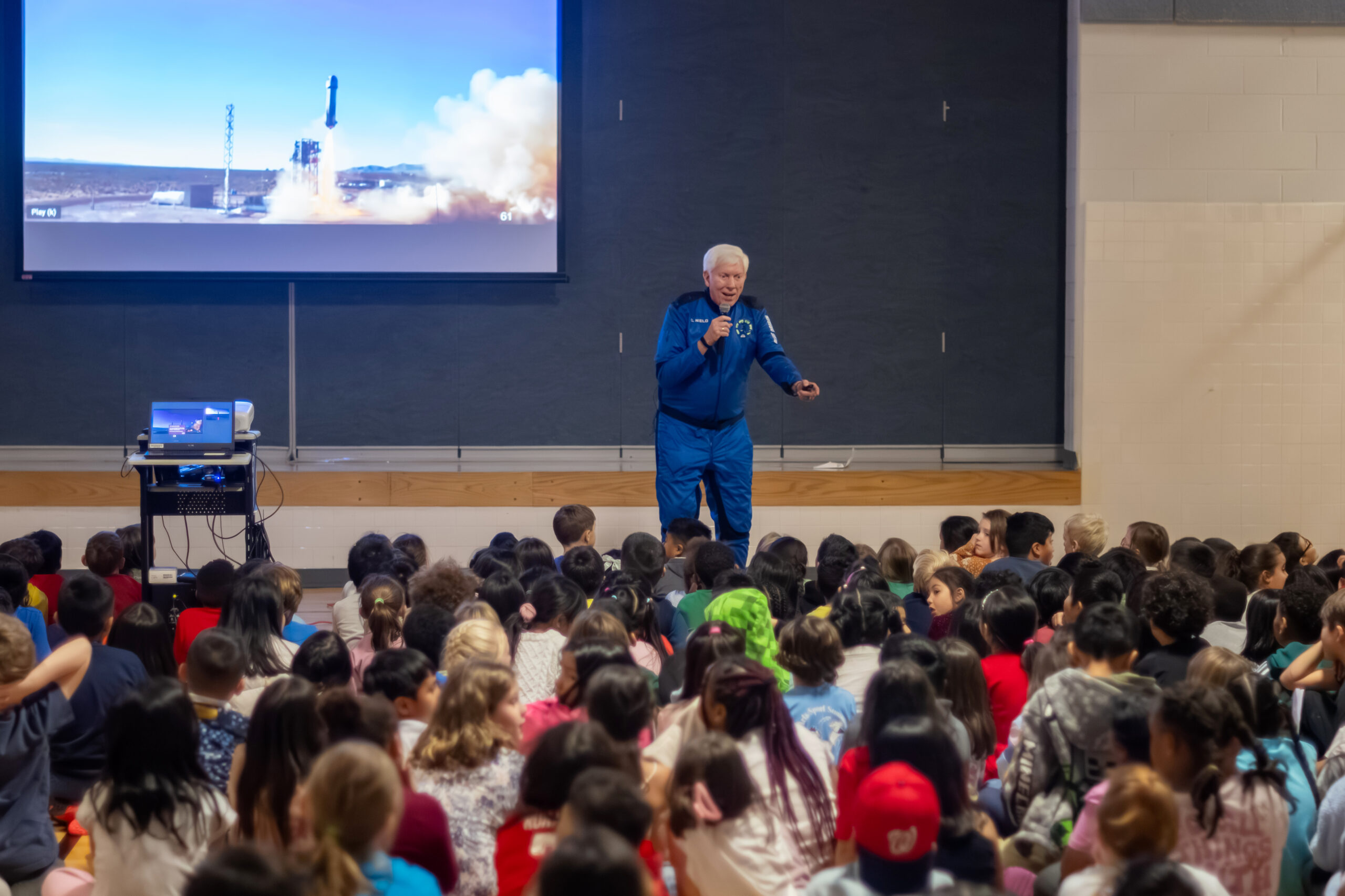
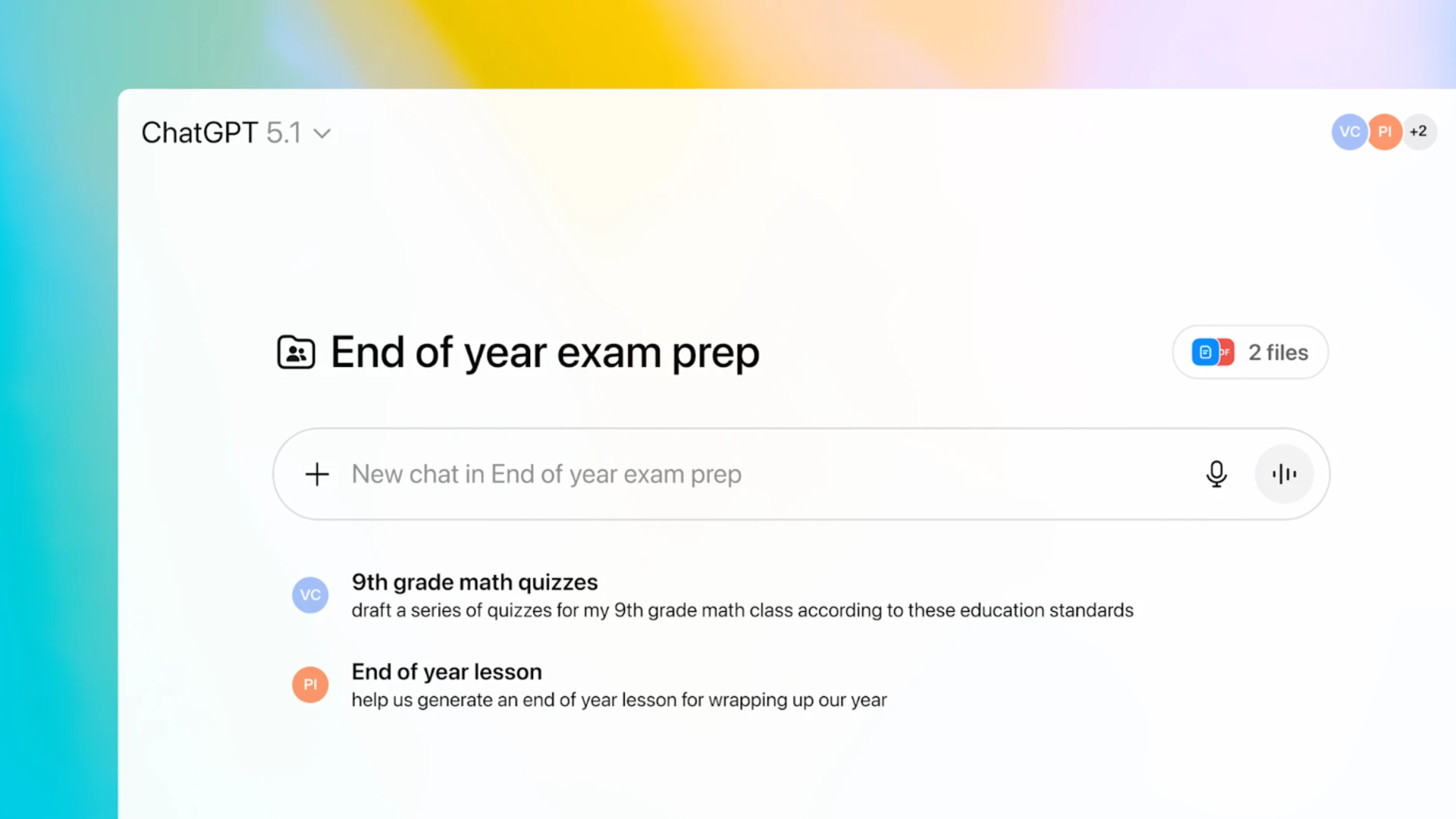
And in that same breath, with that same smiling, reassuring face, they announce the future. And boy, is it shiny. They tell you that teachers are getting a brand-new toy, a superpower even! Unlimited access to ChatGPT, the all-knowing oracle of OpenAI, right through mid-2027. This isn’t just some pilot program; it’s a full-scale deployment. A revolution in the classroom. The district, working hand-in-hand with the tech giants at OpenAI, is ushering in an era of unprecedented AI integration. The school news roundup for December 2025 will be filled with glowing reports, no doubt. They’ll talk about efficiency, about empowering teachers to create lesson plans in seconds, about giving students personalized learning tools. They’ll use all the right buzzwords: synergy, innovation, 21st-century skills, disruption. It’s sold as a gift, a free pass to the cutting edge of technology that will make education better, faster, and stronger. A program to end all programs. So generous. So forward-thinking.
The Ultimate Classroom Helper
They paint a picture of a frazzled teacher, buried under a mountain of paperwork, suddenly liberated. No more late nights grading essays or struggling to design the perfect project. Just a few keystrokes and voilà! ChatGPT spits out a bespoke lesson on the American Revolution, complete with discussion questions and a quiz. The AI can handle the grunt work, they say, freeing up the teacher to do what they do best: teach. Connect. Inspire. It’s the perfect marriage of human and machine, a harmonious symphony of pedagogical excellence. They’re not replacing teachers, you see. They are *elevating* them. It’s a win-win. The district looks modern and savvy, OpenAI gets a glowing case study, teachers get a tireless assistant, and students… well, students get the future. Or so they say.
The Ugly Truth: Big Tech’s Trojan Horse
Wait, ‘People Over Programs’ Was a Lie?
Are you serious right now? Are we really supposed to swallow this garbage? One minute, FCPS is weeping crocodile tears over a little girl in a Minnie Mouse sweatshirt and bragging about choosing “people over programs,” and the next they’re rolling out the red carpet for the most massive, impersonal, human-supplanting *program* in the history of the world? The whiplash is enough to break your neck. It’s not just hypocrisy; it’s a level of gaslighting that is truly breathtaking. This isn’t a paradox. It’s a calculated deception. The “people over programs” line was never a philosophy. It was a marketing slogan. A cheap, sentimental anesthetic to numb you up before they performed the open-heart surgery on the entire education system, replacing its human core with a silicon chip.
What does “people over programs” even mean when you’re about to hand the keys to the kingdom to an algorithm that has never felt an emotion, never struggled with a difficult concept, never had a bad day, and never felt the triumphant spark of genuine understanding? It means nothing. It’s a lie. A bold-faced, insulting lie. They are using the real, human tears of a child as a smokescreen to hide the rollout of a cold, unfeeling machine intelligence that will fundamentally devalue the very human connection they claim to cherish. It’s disgusting. Think about it. Why would they push these two contradictory stories at the exact same time? Because one is the cover for the other. One is the spoonful of sugar to make the poison go down.
Why is ChatGPT ‘Free’? Let Me Tell You.
Let’s get one thing straight. Nothing from a multi-billion-dollar corporation is ever, ever “free.” When you’re not the customer, you’re the product. And in this case, the product is your children. OpenAI isn’t doing this out of the goodness of its corporate heart. This is a land grab. A data grab. It’s the most brilliant, insidious business plan imaginable. They are getting their hooks into the next generation from the moment they learn to type. What do you think this “free access” is really for? It’s for training. Every question a student asks, every essay they have the AI write, every clumsy prompt a teacher enters—it all goes back to the mothership. They are training their models on the unfiltered thoughts, curiosities, and academic work of an entire school district. For free. It’s a vast, unpaid internship program for their AI, and our kids are the interns.
This is market capture 101. It’s the classic drug dealer model: the first hit is free. Get the teachers hooked on the convenience. Get the students hooked on the easy answers. Integrate the technology so deeply into the curriculum that it becomes impossible to remove. By the time that “free” access period ends in 2027, FCPS and districts like it will be so dependent on the system that they’ll have no choice but to pay whatever price OpenAI names. They will have successfully groomed an entire generation of customers who don’t know how to function without their product. It’s not a gift; it’s an invasion. It’s a carefully planned dependency campaign masquerading as philanthropy.
The Future of Teachers: Robot Wranglers
And what about the teachers this is supposed to be “empowering”? Give me a break. This isn’t empowerment; it’s the beginning of the end. In the short term, sure, it might feel like a relief. But what happens in five years? In ten? When the AI is not just generating lesson plans but delivering them? When it can grade every assignment instantly and more consistently than a human ever could? When it can answer a student’s question with the entire breadth of human knowledge in a nanosecond? What, exactly, is the human teacher’s role then? A warm body in the room to make sure the kids don’t set the place on fire? A proctor? A glorified IT support specialist for the AI?
This move de-skills and devalues the teaching profession on a fundamental level. The art of teaching—of reading a room, of seeing the flicker of confusion in a student’s eyes, of finding a new way to explain a concept that finally makes it click—is being outsourced to a black box. The system no longer needs a master craftsman; it needs a machine operator. It turns educators into “robot wranglers,” mere facilitators for the AI’s curriculum. This paves the way for lower salaries, larger class sizes, and eventually, a profession that is a shadow of its former self. Don’t be shocked when “teacher shortages” are suddenly solved by a subscription fee to OpenAI.
Raising a Generation of Frauds
But the real victims here are the kids. We are systematically robbing them of the most important skill of all: how to think. Learning isn’t about finding the right answer. It’s about the struggle to get there. It’s the messy, frustrating, and ultimately rewarding process of wrestling with an idea, failing, trying again, and finally building your own understanding. What happens when that struggle can be bypassed with a simple query? You get a generation of students who are incredibly skilled at prompt engineering but have no idea how to formulate an original thought. They will know how to get the answer, but they will not know how to *reason*.
Creativity dies. Critical thinking withers on the vine. Intellectual resilience becomes a forgotten relic. We’re setting up a future where kids can generate a flawless five-paragraph essay on the themes in *Macbeth* without ever having read the play. They will ace the test but fail at life. We are raising a generation of intellectual frauds, armed with a tool that provides the illusion of knowledge without the foundation of understanding. And we’re calling it progress. So when you see that little girl crying in her Minnie Mouse sweatshirt, maybe she’s not just having a bad morning. Maybe she’s crying for the future of a school system that’s so busy chasing shiny objects that it has forgotten what it’s like to be human. When the AI writes your kid’s college acceptance letter, who are you going to thank? The school board, or the algorithm that really did the work? You tell me.