Fargo City Commission Eliminates Funding for MLK Day Celebration
Fargo, North Dakota, will not host its traditional Martin Luther King Jr. Day celebration this year. The decision comes after the Fargo City Commission voted in September to cut funding for the annual event.
This marks the first time in several years that the city will not observe the holiday with a public commemoration. The absence of city-funded activities leaves a void in how the community honors the legacy of the civil rights leader.
The Impact of Funding Cuts on Civic Observances
The decision to cease funding for the MLK Day celebration has sparked discussion about the importance of public holidays and their commemoration. For years, Fargo residents have gathered to celebrate Dr. King’s contributions to the civil rights movement and his enduring message of equality.
The lack of a city-sponsored event raises questions about community priorities and how historical figures and movements are remembered. It highlights a potential shift in how local governments allocate resources towards cultural and commemorative events.
Library Observes MLK Day Despite City Cut
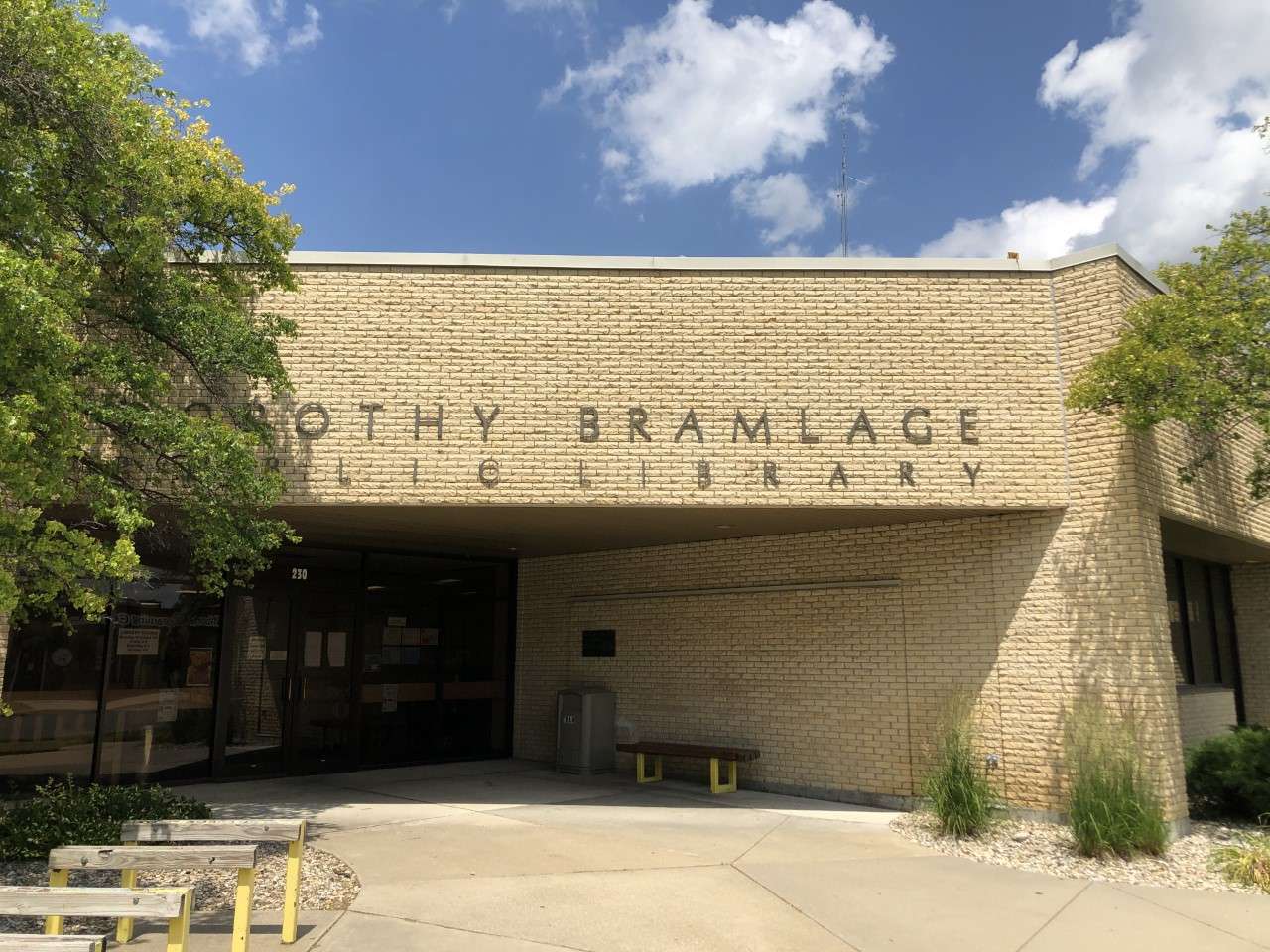
While the city of Fargo has withdrawn its support for a public celebration, other institutions continue to acknowledge the holiday. The Dorothy Bramlage Public Library announced it would be closed on Monday, January 19th, in observance of Dr. Martin Luther King Jr. Day.
In a statement, Library Director Donna Porter emphasized the library’s commitment to honoring Dr. King’s legacy. “We honor his legacy and commitment to equality,” Porter stated, underscoring the continued recognition of the holiday’s significance.
Broader Context: Funding for Public Holidays
The situation in Fargo is not isolated. Across the United States, the observance of MLK Day and other historical commemorations can be subject to local budgetary decisions. These cuts often reflect a complex interplay of civic priorities, economic pressures, and evolving community needs.
The establishment of MLK Day as a federal holiday in 1983 was a significant achievement, recognizing Dr. King’s pivotal role in American history. However, the extent and nature of its local observance can vary widely, depending on municipal funding and community engagement.
Historically, the push for MLK Day was met with resistance, with some states initially refusing to recognize it. The debate over its funding and observance continues to echo the broader conversations about racial justice and equality that Dr. King championed.
Why This Matters: Preserving Collective Memory
The cessation of a city-funded MLK Day celebration in Fargo raises concerns about the erosion of public spaces dedicated to collective memory and civic education. Public events serve as vital platforms for dialogue, remembrance, and education, particularly for younger generations.
Such celebrations offer opportunities to reflect on the struggles for civil rights, the ongoing pursuit of equality, and the responsibilities that come with civic participation. When these events are curtailed due to funding, it can diminish the visibility and impact of these important historical narratives.
The role of local government in facilitating such observances is crucial. It signals a community’s commitment to understanding its history and valuing the principles of justice and equality that Dr. King embodied. The withdrawal of support can be interpreted as a de-prioritization of these values.
Connecting to Broader Trends: Civic Engagement and Budgetary Choices
This event in Fargo can be seen as a microcosm of larger trends in civic engagement and public service funding. In many municipalities, local governments face difficult choices regarding budget allocations, balancing essential services with cultural and commemorative initiatives.
The decision to cut funding for the MLK Day celebration may reflect broader economic challenges or a shift in fiscal priorities. However, it also prompts a deeper examination of what constitutes essential community investment. Is the fostering of civic pride and historical understanding a luxury or a necessity?
The discussion around MLK Day funding is part of a larger national conversation about how historical injustices are acknowledged and how progress toward equality is celebrated. It is a conversation that involves not only government officials but also community leaders, educators, and citizens.
Looking Ahead: Community Response and Future Observances
While the city has withdrawn its funding, the responsibility for commemorating Dr. King’s legacy now may fall more heavily on community organizations and individuals. The statement from the Dorothy Bramlage Public Library suggests that a commitment to honoring the holiday persists, albeit through different channels.
It remains to be seen how Fargo residents will respond to the absence of a city-organized event. There may be an increased effort from local civil rights groups, educational institutions, or grassroots movements to ensure that Dr. King’s message is still heard and celebrated.
The future of MLK Day observances in Fargo will likely depend on community advocacy and the willingness of local leaders to reconsider their budgetary decisions. The conversation sparked by this funding cut could ultimately lead to a renewed appreciation for the importance of public commemorations and the enduring impact of Dr. Martin Luther King Jr.’s life and work.