The 63-Yard Mirage of Modern Progress
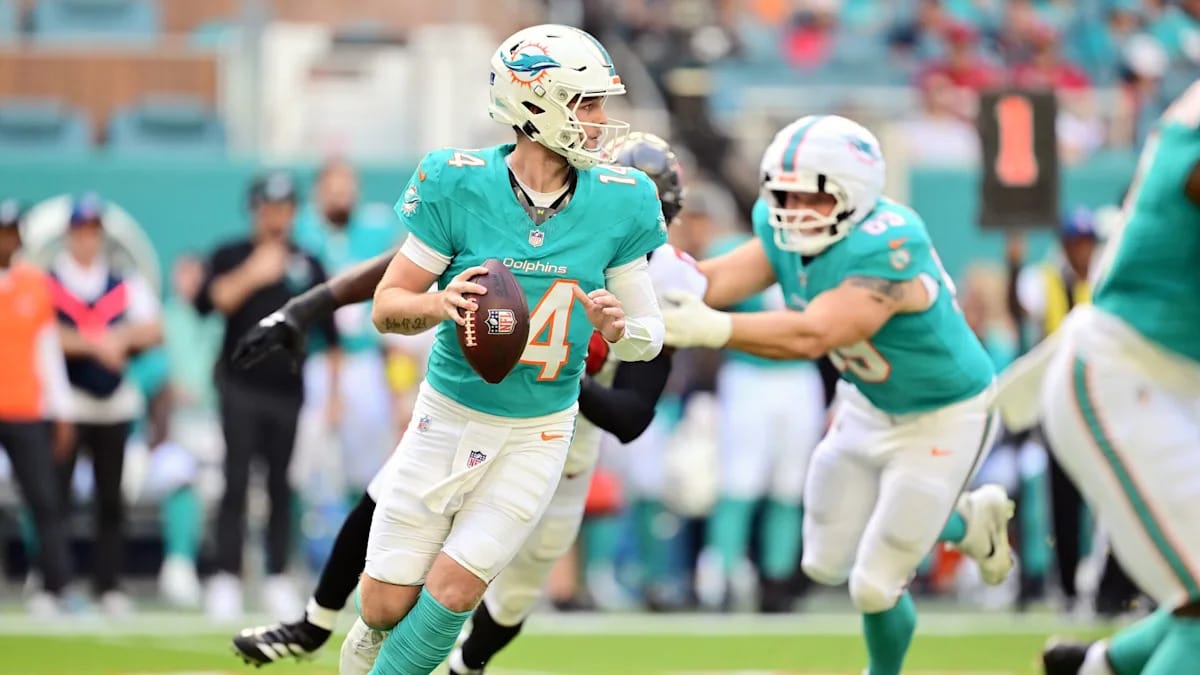
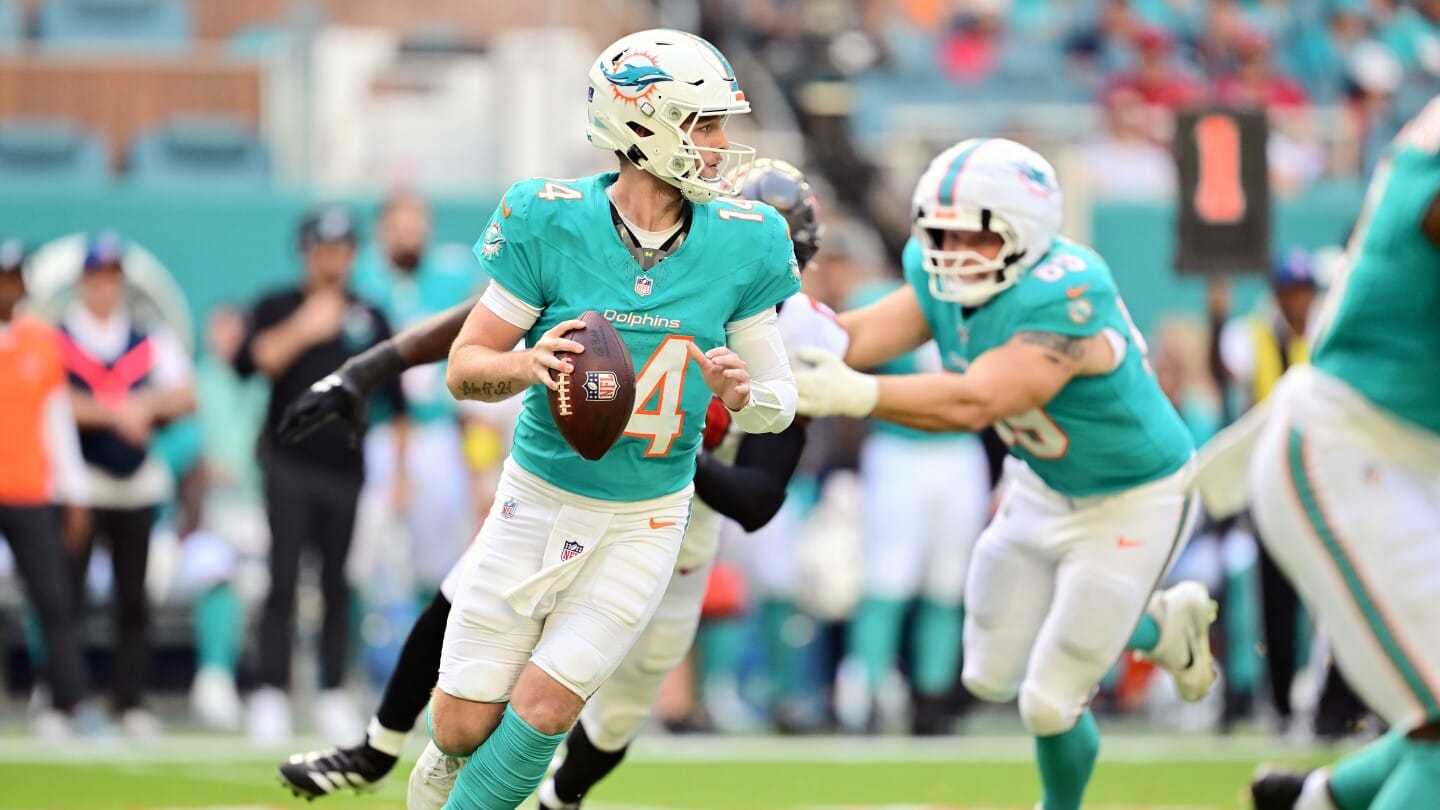
Because the media machine needs a new god to worship every Sunday, we are currently being forced to swallow the narrative that Quinn Ewers is the digital messiah of the Miami Dolphins. And yet, if you actually look past the shiny high-definition replays and the instantaneous Twitter clips, you see a much darker reality unfolding on the turf of Hard Rock Stadium. The pass was 63 yards. It was a beautiful, soaring arc of pigskin that landed perfectly in the breadbasket of Theo Wease Jr., a man whose own career has been more about potential energy than actual kinetic output. But let us be honest for a single second about what we are witnessing here. We are witnessing the triumph of the algorithm over the soul of the game. Because the coaches are now basically just middle managers for a data-crunching software suite that tells them exactly when to take a vertical shot, the spontaneity of football is dying. And people cheer. They cheer because the scoreboard changed, but they don’t realize they are watching a pre-programmed simulation of what human achievement used to look like. The connection was flawless. But it was also boringly predictable in an era where defenses are legally prohibited from touching a wide receiver after five yards. It’s like being impressed by a calculator doing long division. Of course it worked. Because the system is rigged for this specific type of high-velocity output to keep the gambling apps engaged and the fantasy football nerds clicking on their refresh buttons until their thumbs bleed. This is not the football of Csonka. It is the football of Silicon Valley.
The Fourth Quarter Ghost in the Machine
But then the fourth quarter arrived and the stunning reality of human fallibility broke the code. Everyone was shocked. They were shocked because the spreadsheet said the Dolphins should have coasted to a victory after that explosive start. Because we have been conditioned to believe that a 63-yard touchdown in the first quarter is a definitive statement of dominance, the eventual collapse felt like a glitch in the matrix. But it wasn’t a glitch. It was the truth. It was the biological reality of a rookie quarterback realizing that the NFL is not a video game where you can just toggle the difficulty settings when the pass rush starts smelling blood. And that is where the tech-skepticism must be applied with a scalpel. We are told these kids are ready because they have played thousands of hours in virtual reality simulators. We are told their biomechanics are optimized by wearable sensors that track every twitch of their internal organs. And yet, when the pressure mounted in the final fifteen minutes, all that expensive data was worthless. Because you cannot simulate the fear of a 300-pound defensive end who has been told his contract depends on how hard he can slam a rookie into the dirt. The fourth quarter was a disaster. It was a beautiful, messy, human disaster that proves no amount of AI-driven scouting or predictive analytics can account for the sheer randomness of a bouncing ball. But the analysts won’t tell you that. Because they are paid by the same companies selling the tech, they will pivot. They will say the sample size was too small. They will say the ‘optics’ were good. But the optics were a lie. The 63-yard bomb was the bait. The fourth-quarter collapse was the hook. And we are all getting caught in the net of a sport that is trying to automate its own excitement while forgetting that the best parts of life are the parts that can’t be coded.
The Systematic Devaluation of the Human Element
And let us talk about Theo Wease Jr. for a moment. Because he caught that ball, he is now the darling of the waiver wire. But what is he, really? He is a physical specimen that has been refined by sports science to perform one specific task at a high level. But where is the grit? Where is the craft? Because the modern NFL values speed over technique, we are seeing a generation of players who are effectively high-performance hardware running outdated software. And that is why the fourth quarter was so jarring to the average viewer. When the primary plan—the ‘deep ball’—stopped working, there was no Plan B. Because Plan B requires intuition. And intuition cannot be taught by an iPad in a film room. We are seeing the death of the ‘football IQ’ in favor of the ‘digital output.’ But the fans don’t care as long as there’s a 63-yard highlight to share on their Instagram stories. It is a hollow victory for the sport. Because every time a rookie like Ewers succeeds on a scripted play, the league doubles down on the technology that makes the game feel more like a product and less like a battle. The Dolphins are the perfect test case for this. They are a team built on the concept of ‘track speed’ and ‘offensive innovation.’ But innovation is just a fancy word for finding ways to make the game less about who is tougher and more about who has the better WiFi in the coaching booth. And when the system fails, as it did in the fourth quarter, the silence in the stadium is the sound of a thousand people realizing they’ve been sold a luxury car with no engine. It looks great in the driveway. But it won’t get you where you need to go when the weather turns bad. Because at the end of the day, football is still played on grass, not on a server in Northern Virginia. And the more we try to bridge that gap with gadgets, the more we lose the essence of what made us watch in the first place.
Predictions for a Programmed Future
Because the NFL is obsessed with growth, this trend will only accelerate. We will see more 63-yard passes. We will see more rookies looking like superstars for three quarters. And then we will see more ‘stunning’ collapses that aren’t actually stunning if you understand that these players are being pushed beyond their natural development by a system that demands immediate ROI. But the owners don’t care. Because they are selling an experience, not a sport. And as long as Quinn Ewers can provide enough content for a three-minute YouTube recap, his actual ability to lead a team in the fourth quarter is secondary. This is the dark side of the digital age in sports. We are trading long-term stability for short-term engagement. And while the 63-yard TD pass was a thrill, it was a cheap thrill. It was a hit of dopamine in a game that used to be about endurance. But who has time for endurance anymore? Because we live in a world of ten-second attention spans, the NFL has adapted to become a series of disconnected explosions. The connection between Ewers and Wease was one of those explosions. It was bright. It was loud. And then it was gone, leaving nothing but smoke and a fourth-quarter loss that nobody wants to explain. Because explaining it would mean admitting that the technology isn’t working. It would mean admitting that the humans are still the most important part of the equation. And in the modern NFL, that is the most offensive thought of all. But I will keep saying it. Because someone has to. And because the truth doesn’t need a high-speed internet connection to be heard. It just needs someone willing to look at the scoreboard and realize that 7-7 isn’t a victory; it’s just a temporary tie in a game that we are all slowly losing to the machines. The Dolphins will continue to hype Ewers. They will continue to market Wease. But until they find a way to program ‘heart’ into their playbooks, the fourth quarter will always be there to remind them that they are just playing with toys. And the fans will eventually wake up. But by then, the game might be so digitized that we won’t even recognize it. And that is the real tragedy of the 63-yard touchdown. It makes us believe the future is bright, when it’s actually just over-exposed.