The Populist Betrayal: When Internal Chaos Becomes the Enemy
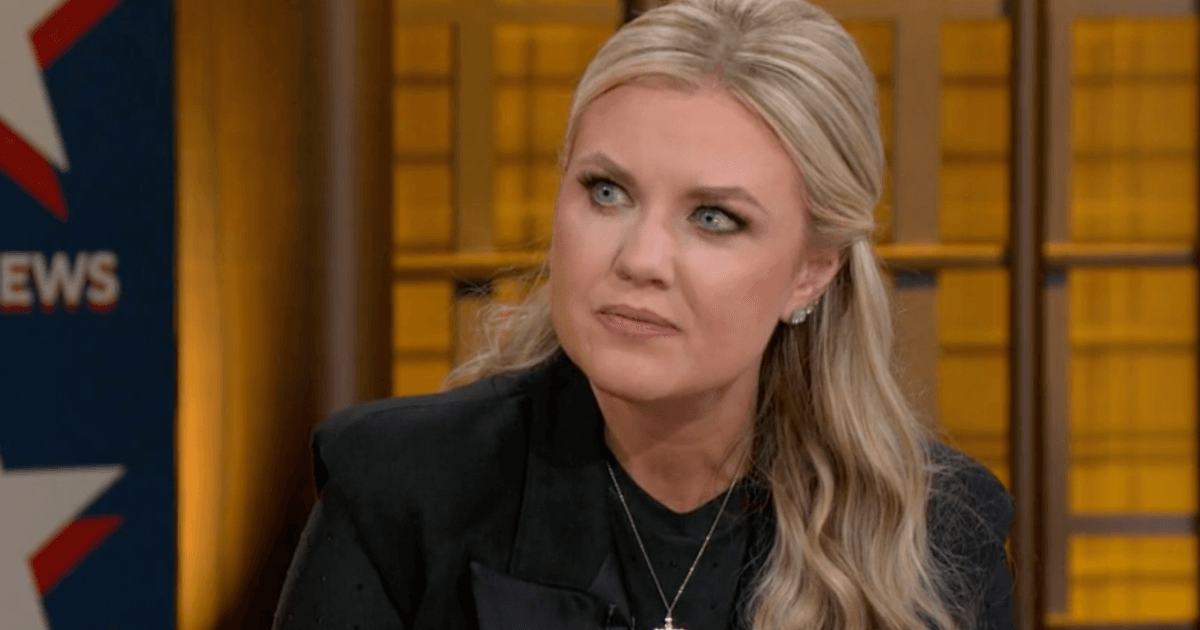
There is a line in the sand, and we just watched one of our own gleefully step over it, stomping all over common decency and turning a movement’s tragedy into a cheap conspiracy spectacle. The story of Candace Owens versus Erika Kirk isn’t just another petty feud; it’s a high-stakes, real-time example of how the very people who claim to be fighting the good fight against the establishment are actually providing more disunity and chaos than any external force ever could. This isn’t just about personalities, folks. This is about the fundamental integrity of our side, and whether we’re going to allow self-serving opportunists to hijack genuine grief for clicks and notoriety. When Charlie Kirk’s widow, Erika, had to come out and publicly beg for the conspiracy theories about her late husband’s death to stop—specifically calling out Candace Owens for fueling the fire—it exposed a fracture in the populist front that goes far deeper than a simple disagreement on policy. It shows us exactly what happens when the fight against the establishment gets corrupted by those who are more loyal to their own bank accounts than they are to the truth, or even basic human empathy. It’s a sad state of affairs when the widow of a major figure in the conservative movement has to publicly defend herself from accusations leveled by a former friend, but here we are, watching the whole thing play out in excruciating slow motion.
The Grifter Economy: How Disinformation Weaponizes Grief
Let’s call this exactly what it is: the grifter economy. You build an audience on a shared political foundation, you create a sense of belonging and community, and then, when the time comes to monetize, you don’t hesitate to throw a match on the very community you built if it means a bigger payout. Candace Owens’s recent actions fit this pattern perfectly. The content in question, where she specifically targeted Erika Kirk and dismissed her pleas for privacy and respect, wasn’t just ‘edgy commentary;’ it was a calculated move to capture a specific type of audience engagement—the kind that thrives on suspicion, distrust, and the idea that everything you’re told is a lie. The whole ‘none of this is passing the vibe check’ quote from Owens, referring to Erika’s statements, is a perfect piece of social media jargon designed to create instant skepticism among her followers. This isn’t new; we’ve seen this play before where figures within the movement turn on each other, often immediately following some kind of professional falling out, and it always seems to happen when one side feels the need to re-establish its relevance by being ‘more radical’ than the other. When Owens tears into Erika Kirk, a woman clearly in mourning, she isn’t performing journalism or activism; she is performing a high-wire act for attention, knowing full well that a certain percentage of her audience will eat up the conspiracy angle because it validates their pre-existing belief that nothing is ever as it seems. This creates a deeply toxic feedback loop where the more outrageous the claim, the more engagement it generates, regardless of whether it’s true, kind, or even remotely grounded in reality. The real tragedy is that this infighting takes energy away from the actual fight against the establishment. While we’re busy arguing about whether a grieving widow is being truthful, the real enemies of our movement are laughing all the way to the bank. It’s a predictable and depressing cycle.
Erika Kirk’s response, however, cut through the noise with a clarity that few people in this space possess. When she stated plainly that she’s ‘pushed back at online conspiracy theories about her husband’s death,’ she wasn’t just defending herself; she was trying to defend her husband’s legacy from being used as fodder for online content creators. Her pleas for basic respect highlight the chasm between genuine political action and the performative activism of the digital age. The populism we fight for is supposed to protect the average American family from the overreach of big government and corporate power; it’s not supposed to be about tearing down families who are already struggling with personal tragedy. The idea that someone so closely associated with the movement would immediately start questioning the circumstances surrounding the death of a prominent leader, without any evidence and purely for personal gain, suggests a deep-seated opportunism that threatens to undermine everything we stand for. This isn’t a battle of ideas anymore; it’s a battle between decency and cynicism. And right now, cynicism seems to be winning, largely because platforms reward the most outlandish behavior with visibility and income. The ‘vibe check’ comment itself is so dismissive and cruel, transforming a serious moment of grief into a lightweight, subjective judgment for a social media audience to consume. We need to be better than this, folks. We absolutely need to hold our own people accountable when they stray from the path, especially when they start acting like the very media we’re supposed to be fighting against, which thrives on sensationalism rather than substance.
The Real Enemy: Disunity in the Ranks
The core issue here is loyalty versus opportunism. When Charlie Kirk built his empire, he did so by mobilizing a generation of young conservatives to challenge the status quo. He built a movement that was supposed to be about unity and fighting a common foe. Now, with his passing, we see the movement immediately fracture, and it’s a clear sign of weakness. Candace Owens, who was once closely aligned with Kirk’s organization, has now chosen to align herself with the most sensational and destructive elements of online conspiracy culture. She’s essentially arguing that Erika Kirk, in her grief, isn’t telling the whole story, suggesting there’s some dark secret or cover-up involved in Charlie Kirk’s passing. The implication is that the widow herself is part of the conspiracy, or at the very least, lying to the public. This is not just a disagreement; this is a declaration of war against the very fabric of the movement. It provides a perfect case study for how easily external forces, or in this case, internal opportunists, can destabilize a movement from within. The ‘Us vs Them’ narrative, which is so powerful for building unity against the establishment, is being perverted into ‘Us vs Us,’ where different factions fight over control of the narrative, instead of fighting for the principles we supposedly share. This kind of infighting is a gift to the globalist establishment; nothing makes them happier than seeing the populist right tear itself apart. We are literally doing their job for them. By prioritizing engagement metrics over human decency, Candace Owens is betraying the very principles she claims to uphold.
Think about the implications of this. If a prominent figure within the movement, who supposedly has inside knowledge, immediately questions the death of another leader, what message does that send to the rank and file? It tells them not to trust anyone, not even the people closest to the deceased. It fuels paranoia and distrust, making it impossible to build the necessary alliances and solidarity required to win the long-term culture war. The ‘deep state’ conspiracy theories, while sometimes containing elements of truth, are now being weaponized against grieving families, transforming valid skepticism into destructive paranoia. This isn’t just a difference of opinion; this is a fundamental betrayal of trust. The movement needs to decide whether it wants to be a serious force for change, or if it wants to be a collection of internet personalities performing for clicks. Erika Kirk’s decision to speak out is a call to action for everyone who cares about the movement’ future of the populist right; it’s a demand for basic human respect and a rejection of the toxic online culture that seeks to profit from every tragedy. The choice is stark: either we stand together against external threats, or we descend into internal chaos, destroying ourselves in the process. We cannot afford to let our movement be defined by the lowest common denominator, by those who prioritize sensationalism over genuine principle. When we let this happen, we lose sight of the bigger picture and play right into the hands of the very forces we claim to oppose.
A
The Reckoning: Drawing a Line in the Sand
We need to be clear about something: this isn’t about censorship; it’s about standards. A movement that cannot police its own ranks, that allows its most visible figures to engage in destructive behavior without consequence, is a movement that is doomed to fail. The Candace Owens episode highlights the necessity of having clear, non-negotiable standards of decency. When a person attacks a grieving widow and uses her personal tragedy to generate engagement, they forfeit any claim to being a serious advocate for the values we cherish. The ‘Meghan Markle’ comparison Owens made, suggesting Erika Kirk was merely putting on a show for sympathy, was particularly egregious. It’s a calculated, cynical move to invalidate a woman’s pain by comparing her to a figure who is widely disliked by the base. This kind of rhetoric isn’t just hurtful; it’s a strategic, political attack designed to sow discord and doubt. The populist movement must decide whether it values truth and unity more than it values the momentary thrill of a sensational conspiracy theory. The long-term success of any counter-cultural movement depends on its ability to maintain internal cohesion and resist the temptation to self-destruct. If we cannot manage a simple show of respect for a widow, how can we possibly expect to win the larger battle against global corruption and media manipulation? The answer is simple: we can’t. The constant internal bickering and conspiracy-mongering only serve to discredit the movement as a whole, making it easier for the mainstream media to dismiss us as kooks and fringe elements. Erika Kirk, by standing up to Owens, has drawn a clear line in the sand; it is now up to the rest of the movement to decide which side they stand on. Are we truly united against the establishment, or are we simply a collection of individuals vying for influence, willing to sacrifice basic decency for a few extra clicks? The answer to that question will determine the future of the populist right.