The Great Panic of District 196: When Fear Trumps Facts
Let’s just get straight to the point, shall we? This isn’t about safety. Not really. What we witnessed with District 196, where high schools were shut down over “potential online threats” that police later confirmed were not credible, is nothing short of a complete societal surrender to fear. It’s the new normal, where a vague, anonymous message on the internet holds more power than actual physical reality, and where administrators would rather pull the plug on an entire school district than take the slightest risk of public criticism, even when there’s nothing actually happening.
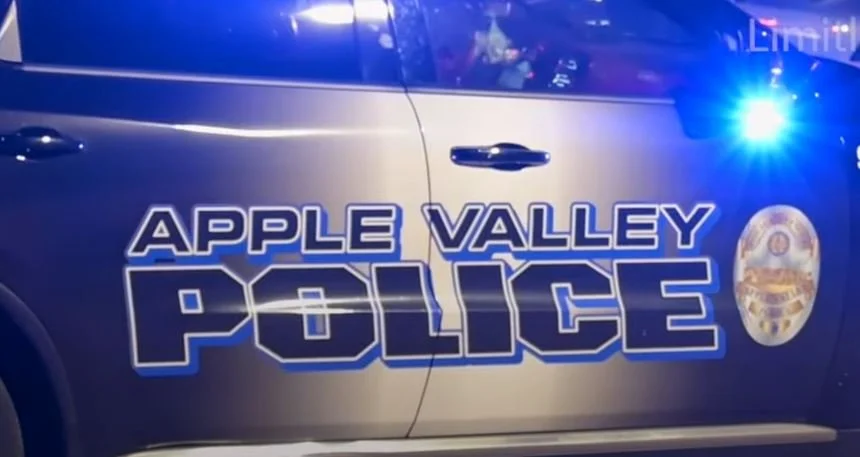
The core facts here are absolutely damning if you read between the lines. The official statements from the school district are a classic example of bureaucratic doublespeak. They announced a closure, citing “potential online threats” toward high schools in the Rosemount-Apple Valley-Eagan Public Schools. It sounds serious, right? It sounds like they’re being proactive, protecting the children, being heroes. But then, almost immediately, the Apple Valley Police come out and issue a statement clarifying that they investigated the social media message in question and identified absolutely zero credible threat. Zero. Zip. Zilch. The police, the people whose literal job it is to assess threats, said there was no actual danger. The threat wasn’t real, but the closure, the fear, and the disruption were very, very real.
This whole incident isn’t just about one school district in Minnesota; it’s a microcosm of the entire Western world’s descent into a culture of performative safetyism (a term I absolutely despise, but a necessary one to describe this phenomenon). We live in a world where every single perceived risk must be addressed with an immediate, disproportionate response, not because the risk justifies it, but because the public expects it. The administrators aren’t acting out of courage; they’re acting out of fear of litigation, fear of public relations nightmares, and fear of being criticized on social media if they *didn’t* close down and something—anything—happened. They prioritize the optics of action over the reality of education. The cost, of course, is paid by the students who lose instruction time, the parents who have to scramble for childcare, and the community that internalizes the message that their world is inherently unstable and dangerous.
The Digital Boogeyman and the Erosion of Resilience
Let’s talk about the digital boogeyman. The “online threat” has replaced every other form of public panic. It used to be a physical threat, maybe a rumor of a fight, or a specific, named individual causing trouble. Now, it’s just pixels on a screen, often shared anonymously, that hold the power to bring an entire system to a screeching halt. This technology allows fear to spread faster than ever before. A rumor that once traveled through whispers in the hallway now reaches every parent’s smartphone simultaneously, creating an instant feedback loop of anxiety and outrage.
When you have a school district closing down high schools because of something that wasn’t credible, you are effectively training the next generation to be completely incapable of processing nuance. You are teaching them that every single ambiguous piece of information on the internet should be treated as a five-alarm fire. The goal of education, supposedly, is to foster critical thinking, to help students discern truth from falsehood, and to prepare them for a world full of challenges. By shutting down over an unverified threat, the school system is doing the exact opposite. They are saying: “Don’t think critically; just panic. Don’t analyze the source; just obey the shutdown order.”
This isn’t just a matter of inconvenience; it’s a deep-seated philosophical problem in how we approach risk. The administrators, perhaps subconsciously, are telling students that they are fragile. They are telling them that they cannot handle uncertainty. And by doing so, they are actively creating a generation that is less resilient, less capable of navigating the normal ups and downs of life. We’ve gone from a society that values courage and stoicism to one that celebrates fragility and constant emotional validation (if you dare question this, just look at the mental health crisis among Gen Z, which directly correlates with the rise of social media and this type of fear culture). When every potential threat, no matter how remote, is treated like an imminent catastrophe, we create a population that is perpetually terrified. The social-emotional damage from this constant state of alarm far outweighs the risk posed by any non-credible threat.
And let’s not pretend this is unique to District 196. We saw this exact same pattern during the pandemic when entire sectors of society were shut down over exaggerated risks. The playbook is identical: identify a potential threat, amplify it through media and social media, implement widespread restrictions, and then when the data comes in that shows the threat was never as bad as advertised, the administrators simply pivot to claiming they acted out of an abundance of caution. It’s a self-perpetuating cycle of incompetence and fear that benefits only those in positions of power who seek to expand their control over the public narrative.
The Future of Compliance: A Society Held Hostage by Rumors
So where does this lead? The closure of District 196 high schools due to a non-credible threat isn’t the end of a story; it’s just the latest chapter in a very disturbing trend. The message has been clearly received by potential troublemakers: you don’t need to actually carry out violence to disrupt society. You just need to create the *perception* of a threat. A few lines of text on social media can now achieve what previously required a great deal more effort, or at least a visible, tangible presence. This gives an enormous amount of power to malicious actors and, frankly, bored teenagers looking for a laugh. The school system, by confirming that it will react to every whisper, has incentivized the creation of future whispers.
The solution isn’t more security theater; it’s more common sense. It’s time for parents and communities to demand accountability from administrators who misuse their authority and waste valuable educational time. We need to stop rewarding this kind of knee-jerk overreaction. The decision-makers in District 196 chose to prioritize their own safety from criticism over the actual education of their students, and that is a betrayal of their core mission. We need to start asking hard questions: If the police say there is no credible threat, why are the schools still closed? What process allows an anonymous post to override professional law enforcement assessment?
The ultimate goal here, for those who seek control, is a docile population (a population that believes that any form of dissent or non-compliance is dangerous, a population that always looks to authority for guidance and safety). The incident in Apple Valley, Minnesota, is a perfect case study in how easily that goal can be achieved. It takes almost nothing—a few words on social media, a vague rumor—to push the panic button, and when that button is pushed, everyone complies. We are allowing ourselves to be held hostage by the lowest common denominator of fear. The real threat, I assure you, isn’t some phantom figure online. The real threat is the weakness we allow to take root in our own hearts and minds when we let fear dictate our actions. Until we decide to stop bending the knee to every manufactured crisis, we are doomed to repeat this cycle indefinitely, losing more and more of our freedoms in the name of safety. It’s high time we remember what resilience looks like, and honestly, District 196 failed that test spectacularly.