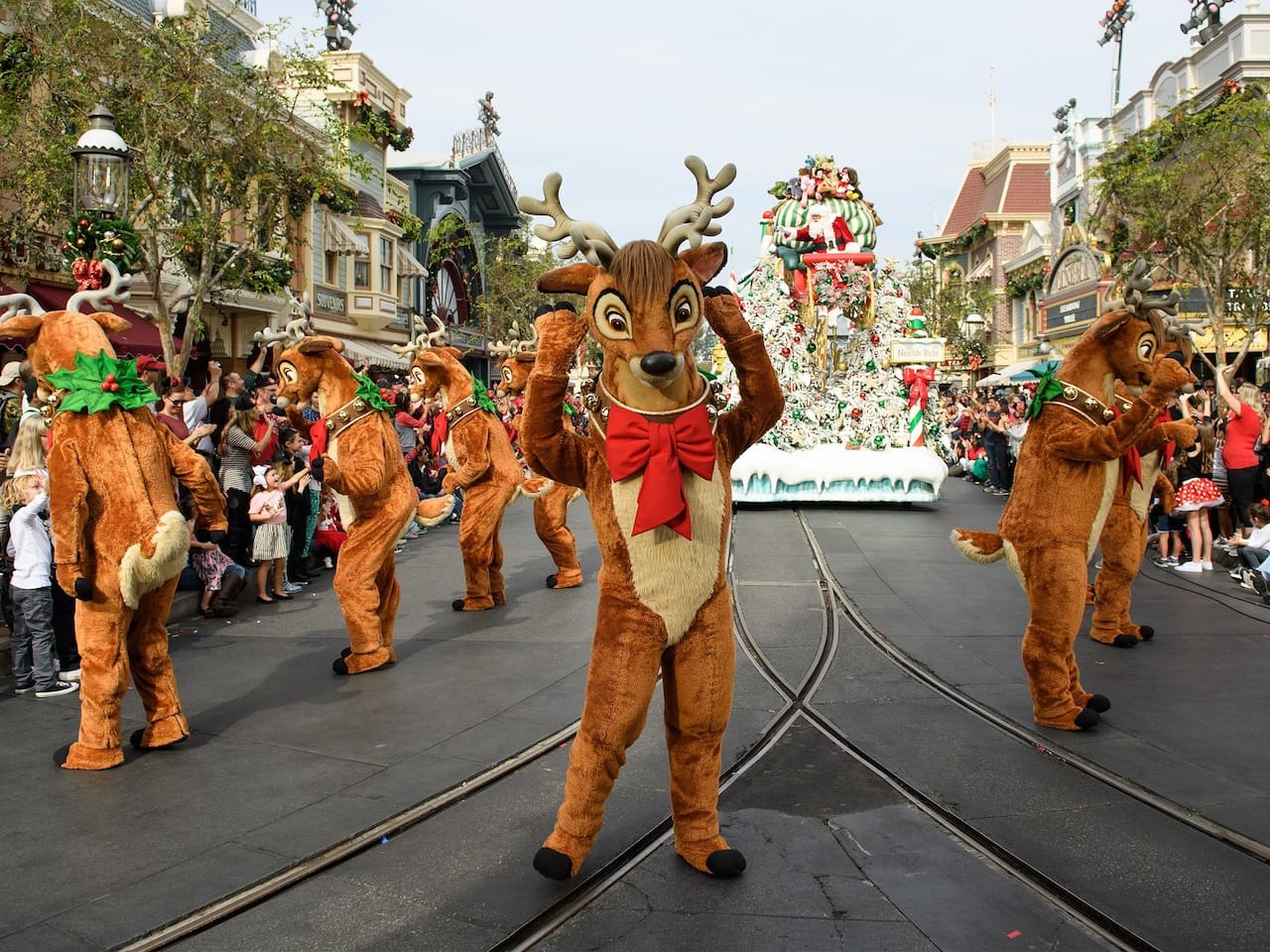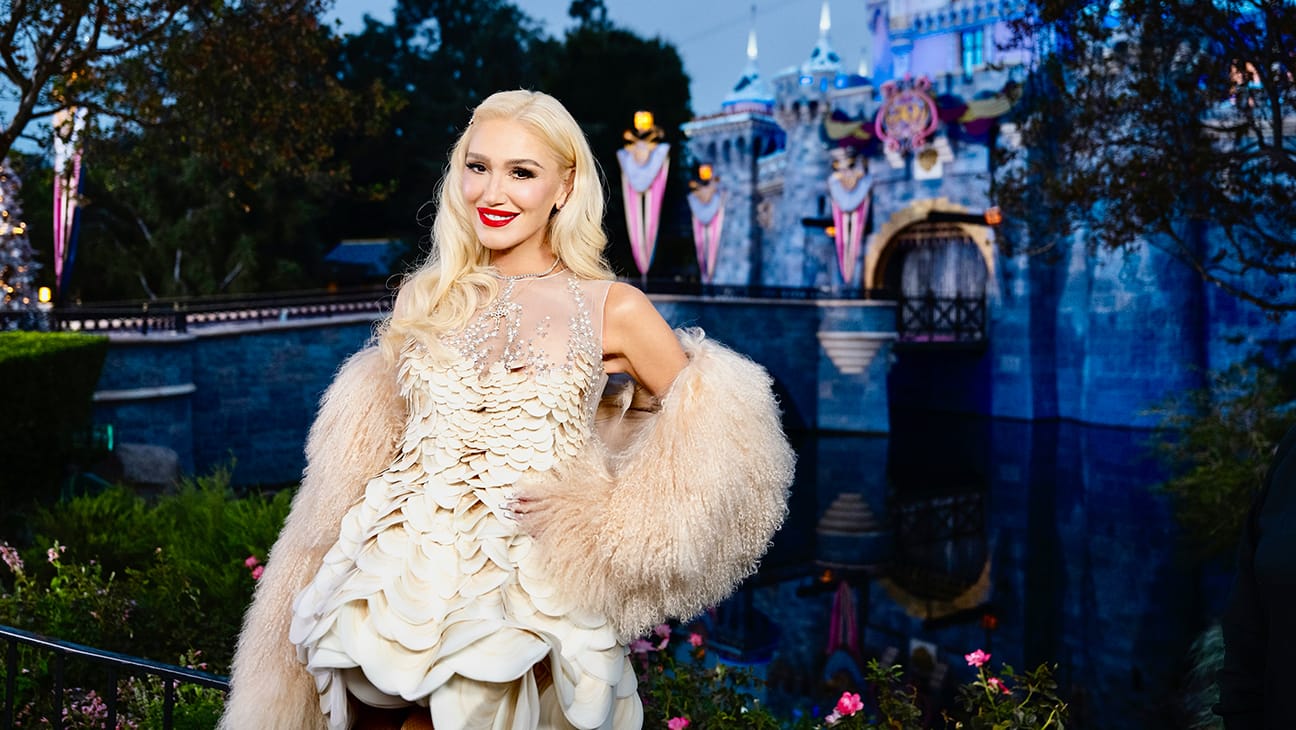
Alright, folks, gather ’round, because it’s that time of year again when the corporate giants dust off their tinsel and start pulling the wool over your eyes with promises of ‘magic’ and ‘free’ holiday cheer. And who’s leading the charge? None other than the House of Mouse itself, Disney, with its so-called ‘Magical Christmas Day Parade.’ Don’t fall for it, not for a second.
Q: What’s this ‘free’ Disney parade really about, anyway?
Let’s be brutally honest here: nothing, absolutely nothing, is truly free when it comes from a multi-billion dollar corporation like Disney. You hear the whispers, you see the headlines – ‘How to watch the 2025 Disney Christmas Parade online for free,’ ‘Free streaming deals’ – and your ears perk up, your heart lightens, thinking you can just kick back and enjoy a wholesome holiday tradition without opening your wallet. But I’m here to tell you, it’s a meticulously crafted illusion, a bait-and-switch operation designed to drag you deeper into the consumerist vortex they’ve spun around the holiday season. The game is simple, yet insidious; they dangle the carrot of a beloved annual spectacle, a tradition for some, a novel experience for others, all while strategically placing ‘affiliate links’ and pushing ‘free trials’ to their preferred streaming partners, which more often than not come with hidden clauses and auto-renewals that many folks forget to cancel, thus turning that ‘free’ moment into a recurring expense. It’s a genius move for them, a financial headache for you, and it’s been going on for years now, transforming what was once a public broadcast accessible to all into a monetized gateway to their vast, ever-expanding content empire, milking every single potential penny from a tradition that used to be a given. Pure racket.
The Illusion of Access
For decades, this parade was a staple, an event you simply tuned into on ABC. Now? It’s fractured across platforms, a digital breadcrumb trail leading you from one subscription service to another, each demanding a piece of your hard-earned cash. Fubo, Disney+, Hulu—you name it, they’ve got their tendrils in it. This isn’t about spreading holiday cheer; it’s about customer acquisition, folks. It’s about data. It’s about getting you to sign up for *just one more* service, betting that once you’re in, you’ll be too lazy, too busy, or too overwhelmed to cancel, thereby becoming another line item on their quarterly earnings report. They sell you the fantasy of ‘convenience’ and ‘choice’ when what they’re really doing is consolidating their power, making sure that every single aspect of your entertainment, especially during a time meant for reflection and family, flows through their monetized pipelines. It’s an undeniable truth.
Q: Has Christmas always been this commercial circus, or did we lose our way?
Let’s take a walk down memory lane, shall we? Because what we see today, this absolute explosion of commercialism during the holidays, this relentless push to buy, subscribe, and consume, it’s a far cry from the roots of Christmas. Once upon a time, not so long ago, Christmas was a time for genuine community, for shared experiences that didn’t require a credit card. Town squares, local churches, family homes – these were the epicenters of holiday spirit, filled with carols, simple gifts, and the warmth of human connection. The public sphere offered things like Christmas parades as a communal gift, a collective moment of joy without strings attached, a true shared cultural touchstone that everyone, regardless of their economic standing, could participate in and enjoy.
The Corporate Creep
But then, slowly, insidiously, the advertisers crept in. The 20th century marked a pivotal shift, as corporations realized the immense power of associating their brands with the warmth and sentimentality of the holiday season. Santa Claus became a spokesman for Coca-Cola, decorations became mass-produced plastic, and gift-giving morphed from thoughtful gestures into an economic imperative. Disney, a master of myth-making and emotional manipulation, honed this to an art form. They didn’t just participate in the commercialization; they perfected it, transforming abstract concepts like ‘magic’ and ‘wonder’ into tangible, purchasable products and experiences. Their parade itself, while undoubtedly a spectacle, evolved into a brilliant, hour-long commercial, a meticulously choreographed marketing tool masquerading as a beloved tradition, a prime-time slot for their intellectual properties and, increasingly, their associated streaming services. The nostalgia bait is strong, pulling on heartstrings while subtly—or not so subtly—picking pockets, luring viewers into a world where true joy is always just one purchase or subscription away. It’s a masterclass in consumer manipulation, really, showing how far we’ve spiraled from simpler times into an abyss of endless consumption, driven by the likes of these mega-corporations who have, over decades, systematically eroded the public commons of celebration for private gain. The very essence of the holiday, the spirit of generosity and togetherness, gets tragically lost under mountains of merchandise and ever-increasing subscription fees, transforming what should be sacred into something utterly transactional. It’s a tragedy.
Q: Who profits from this ‘Magical Christmas Day Parade,’ really? Hint: It’s not you.
Let’s not mince words here. When you tune into the ‘Disney Parks Magical Christmas Day Parade’—whether it’s on good old ABC or through one of those ‘free trial’ streaming services—you’re not just watching a show. You’re participating in a meticulously engineered profit engine, and you are not the beneficiary. The big winners? Well, naturally, Disney, a behemoth corporation that owns ABC and has significant stakes in many of the streaming platforms offering the ‘free’ viewing options. Then there are those streaming services themselves—Fubo, Hulu, perhaps others—each raking in new subscribers, even if temporarily, and collecting valuable data on viewing habits.
A Web of Corporate Greed
But the money train doesn’t stop there. Think about the advertisers, those companies shelling out astronomical sums for prime-time slots during a holiday broadcast, knowing full well they’re reaching a captive audience of families looking for wholesome entertainment, an audience ripe for consumption. Every toy, every car, every fast-food commercial during that parade is a direct profit for someone. And let’s not forget the affiliate marketers, the ones running those ‘How to watch for free’ articles, who receive a tidy commission for every poor soul suckered into a ‘free’ trial via their links. It’s a vast, intricate ecosystem of profit, all meticulously designed to extract maximum value from your desire for a bit of holiday cheer, from the sentimental longing for tradition that Disney so expertly taps into. The executives, the shareholders, the big wigs at the top—they are the ones laughing all the way to the bank, clinking champagne glasses, while average families struggle to afford gifts, let alone another streaming subscription to access what used to be a universal experience. It’s a classic example of corporate capitalism at its most ruthless, turning public sentiment into private gain, leaving the common person feeling, at best, nickel-and-dimed, and at worst, excluded entirely from a shared cultural moment. This is the bitter truth behind the sugar-coated ‘magic.’
Q: What’s the real impact on the average family, just trying to enjoy some holiday cheer?
The impact, my friends, is profound and often underestimated. It’s not just about the money, though that’s a huge part of it. It’s about the mental load, the stress, the subtle erosion of peace during a season that’s supposed to be about joy and rest. Families, particularly those grappling with tight budgets, are forced into a labyrinthine navigation of streaming options, remembering passwords, keeping track of trial periods, and setting reminders to cancel before incurring charges. It’s a system designed with built-in friction, intentionally inconvenient enough that a significant percentage of subscribers will simply forget to cancel, leading to unexpected charges that add up, especially during a time when every penny counts.
The Digital Divide Widens
And for those who genuinely cannot afford any streaming services at all, or who simply choose not to participate in this never-ending subscription economy, what happens to them? They’re simply left out. Excluded. From a shared cultural experience that used to be a democratic right, a simple flick of the wrist to turn on the television. This creates a deepening digital divide, pushing more people out of the mainstream entertainment narrative, forging an ‘us vs. them’ dynamic even during the season of supposed goodwill and universal kindness. It’s a sad state of affairs when access to a decades-old holiday tradition becomes a privilege rather than a given, highlighting the growing inequalities in our society, where even a moment of shared seasonal escape is now conditional on your wallet and your willingness to play the corporate game. The psychological toll of constantly being bombarded with options, subscriptions, and ‘limited time offers’ is exhausting, especially for parents trying to create a magical Christmas for their kids amidst real-world financial pressures. It’s a quiet form of oppression, making you feel less-than if you can’t keep up with the corporate demands. Absolutely infuriating.
Q: What’s the future of ‘free’ holiday entertainment? Will it ever truly be free again?
Let’s not kid ourselves, the prognosis for truly ‘free’ holiday entertainment is grim, folks. Exceptionally grim. Expect more of the same, only amplified, intensified, and more deeply embedded into our lives. The era of traditional linear television, where content was broadly accessible via public airwaves, is dying a slow, painful death. Streaming services are the new kings, the undisputed monarchs of media consumption. And as with any monarchy, they demand tribute.
A Paywalled Future
We’re looking at a future with even greater fragmentation, where content is parceled out across an ever-increasing number of exclusive platforms, each vying for your monthly subscription fee. The ‘free’ offers will become even more conditional, the hoops you have to jump through even higher and more convoluted, designed specifically to test your patience and commitment until you just give in and pay. The idea of collective, accessible entertainment, a cultural commons where everyone can participate, is rapidly eroding, being replaced by a highly privatized, paywalled landscape. Unless there’s a significant, seismic shift in public policy—perhaps a renewed commitment to public broadcasting or a radical, grassroots movement to reclaim shared cultural spaces—we are heading towards a future where even basic cultural events, moments of shared community, will be behind an impenetrable paywall, accessible only to those willing or able to pay the ever-increasing toll. It’s a dangerous path, one that further erodes community bonds, exacerbates existing inequalities, and ultimately creates a two-tiered society where access to culture, art, and shared moments is dictated solely by the limits of your credit card. The golden age of broad, free access is over. We’re in the age of the digital feudal lord, and we are the serfs. Sad, but true.
Q: So, what can regular folks do about this corporate holiday grab? Can we fight back?
You’re darn right we can fight back! Don’t be a sheep. Don’t passively accept this corporate nonsense. Question everything they put in front of you, especially when it’s wrapped in tinsel and promises of ‘magic.’ First off, be smart about those ‘free trials.’ Don’t just sign up blindly. Understand the terms, mark your calendar, and for heaven’s sake, if you don’t *really* need that service, cancel it on time. Better yet, opt out entirely if you can. Your wallet, and your peace of mind, will thank you.
Reclaim Your Holiday
Beyond that, seek out and support local, community-driven holiday events. Your town square, your local schools, your neighborhood groups—these are the places where genuine holiday spirit still resides, often without a corporate sponsor in sight. Support independent artists, creators, and media outlets who aren’t beholden to the corporate overlords. Demand that broadcasters, particularly those operating on public airwaves, remember their fundamental public service obligations and provide truly accessible content, especially during culturally significant times like the holidays. Talk to your neighbors, organize local watch parties if you can find one platform you’re all willing to split, or even better, create your own entertainment! Don’t let these monolithic corporations dictate your holiday experience, turning every moment of potential joy into a transactional opportunity. It’s *our* holiday, not theirs to slice, dice, and sell piece by precious piece. Boycott the fluff, reject the manufactured sentiment, and embrace the real. Reclaim Christmas, reclaim your community, and reclaim your wallet, for crying out loud. It’s high time we sent a clear message that our traditions, our culture, and our cherished moments are not for sale to the highest bidder. Period.