
The Whispers Are Getting Louder: Disney’s Desperate Gamble on OpenAI
Let’s talk about what really happened when Disney announced that $1 billion equity investment in OpenAI. Forget the press releases. Forget the carefully crafted corporate euphemisms about ‘pioneering new frontiers’ or ‘enhancing creative possibilities.’ What you’re hearing in the corridors of power right now, the stuff they don’t want you to know, is that this wasn’t an act of visionary leadership; it was an act of absolute, unadulterated desperation. This wasn’t a proactive move from a position of strength; it was a surrender from a position of existential terror.
For decades, Disney built its entire empire on a singular, unwavering principle: total control over its intellectual property. The “Disney Vault” wasn’t just a marketing gimmick for home video releases; it was a philosophical fortress designed to keep Mickey Mouse, Cinderella, and every single character pristine, protected, and profitable. You didn’t get to play with Disney’s characters without Disney’s explicit, often suffocating, permission. The value proposition was simple: if you want authentic Disney magic, you must buy directly from the source, and that source will dictate every aspect of the experience. But now, they’ve just opened the gates to the castle, inviting the barbarians in, and not just inviting them, but paying them a billion dollars to take the first step. This is a betrayal of the very foundations that built the house of mouse.
The Myth of Innovation versus The Reality of Fear
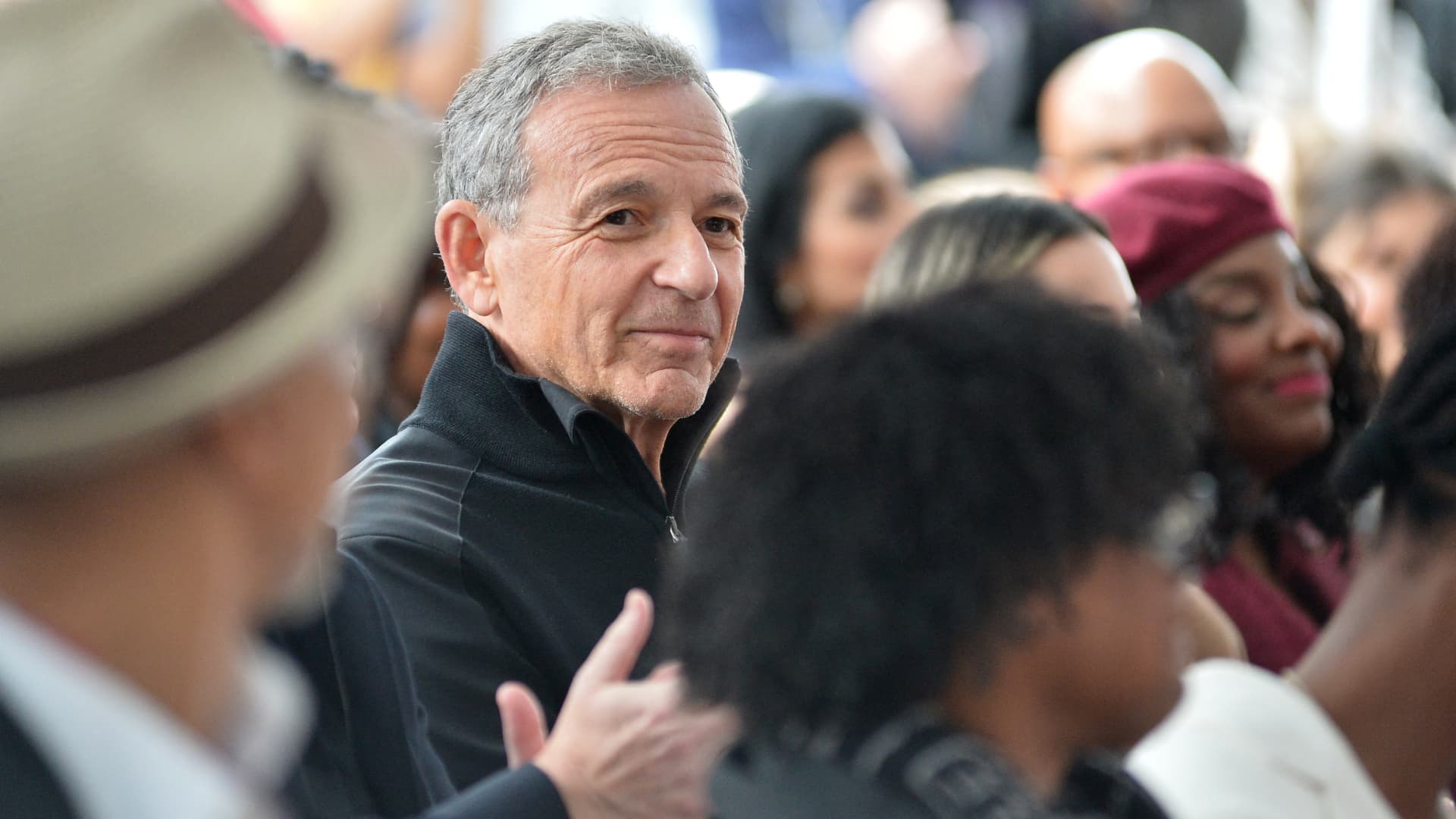
Bob Iger’s second act as CEO was supposed to be a return to stability and strategic genius, right? Wall Street hailed him as the savior, the man who would pull the company out of the post-Chapek funk and navigate the tricky waters of streaming profitability. But look closer at the actions, not the words. Disney’s stock has struggled. Their streaming services are bleeding money. The theatrical box office has become unpredictable, and worse, the cultural cachet of some of their most iconic brands—Marvel and Star Wars—has shown significant signs of fatigue. The public is getting tired of formulaic sequels and reboots. The pressure to innovate is immense, but the internal creative pipeline is clogged with yesterday’s ideas. So what does a company do when its core business model is failing to keep pace with a rapidly changing world?
It panics. And it makes deals that look brilliant on paper to a CEO who needs a quick win, but which, on closer inspection, reveal a deep rot within the organization. The $1 billion investment in OpenAI is not about innovation; it’s about a company trying to buy its way out of a problem it can’t solve organically. They looked at Sora, they looked at Midjourney, they looked at the rapid acceleration of generative AI, and they realized something terrifying: the average person, soon enough, would be able to generate content that looked, felt, and sounded like Disney, but without paying Disney a dime. And they couldn’t stop it.
So, instead of fighting a losing battle against the unstoppable tide of technology, they decided to try and co-opt it. They’re trying to put their characters into Sora not because it’s creatively liberating, but because they believe that if they control the official AI channel, they can still monetize the inevitable user-generated content surge. They’re essentially saying: ‘You’re going to create this content anyway; let us at least put our watermark on it and collect a fee.’
Sora: The Trojan Horse for IP Dilution
This is where the real insider information comes into play. The ‘landmark agreement’ to allow characters like Mickey Mouse and Buzz Lightyear to be used in Sora video generation isn’t just a licensing deal; it’s a profound shift in control. The moment you give a generative AI model access to the core data set—the visual and audio essence of your characters—you lose a certain amount of control over the output. Disney has always been meticulous about character consistency and brand integrity. Every pose, every phrase, every piece of merchandise design goes through stringent approvals. But with Sora, they are handing over the keys to a black box. A user types in ‘Buzz Lightyear fighting Darth Vader in a field of daisies,’ and Sora generates it. Does Disney approve of that specific scenario? Does Disney want their characters interacting with other intellectual properties? In the past, absolutely not. The lawyers would be on the phone before the thought even fully formed in your head.
But now, they’re letting go. The official narrative suggests they’ll have guardrails. But guardrails on a generative model are notoriously porous. How long before a user finds a prompt that bypasses the safeguards? How long before a user generates a video of Elsa or Spider-Man engaging in non-family-friendly scenarios, or worse, generating content that directly competes with Disney’s own creative output, all under the guise of ‘official’ character availability in Sora?
This isn’t just a matter of fan fiction; this is a commercialization of fan fiction that Disney has sanctioned. The implications are staggering. It sets a precedent that Disney’s IP, once considered sacrosanct, is now just part of the content feedstock for a technology company. They’re moving from a position of content creator to content licensor in a way that fundamentally changes the power dynamic in the entertainment industry. It’s no longer Disney telling the stories; it’s Disney allowing others to tell stories with their toys, and hoping to get a cut of the resulting chaos.
The Financial Time Bomb and The Stock Market Bubble
Let’s talk about the money. A billion dollars for an equity investment in OpenAI is a substantial sum, particularly for a company trying to cut costs and boost profitability in its traditional business segments. Is this investment a sound financial decision, or is it another example of corporate America throwing money at the next shiny object in hopes of a quick stock bump? The market loves to see legacy companies embracing AI, even if the strategic rationale is thin. Iger knows this. He needs to appease shareholders, many of whom are getting nervous about Disney’s future trajectory. The investment serves as a PR shield, distracting from deeper issues like the declining appeal of their theatrical releases or the struggles of their theme park division to maintain profitability margins without resorting to constant price hikes that alienate consumers.
But this investment is less about long-term vision and more about short-term appeasement. The real question is what Disney gets in return for that billion dollars and the licensing of its IP. Do they get exclusive access to Sora’s capabilities for a certain time frame? Do they get a guaranteed return on investment as OpenAI’s valuation explodes? Or are they simply paying a premium to ensure they aren’t completely left behind when the AI content revolution takes off?
The insider view suggests that Disney is essentially cashing in their chips on the future value of their IP to fund a gamble on a tech company. They’re leveraging the past (their characters) to bet on the future (AI). This is a high-risk strategy because if OpenAI fails to monetize its technology effectively or if another AI model surpasses Sora, Disney is left with a diluted IP and a billion dollars less in its bank account. The irony, of course, is that Disney could have developed its own in-house AI tools. But they’re too bureaucratic, too risk-averse to build it themselves, so they’re paying someone else to do it for them, effectively admitting defeat in the technology arms race.
The Mouse Trap: Legal Liability and Creative Backlash
And then there’s the legal angle. The media and legal experts are buzzing about the potential liabilities this creates. When a user creates a video using a Disney character, who owns the resulting creation? The user? Disney? OpenAI? The official statement probably says something about ‘retaining full rights,’ but the reality of generative AI makes that claim difficult to enforce. If a user creates a derivative work using Sora with Disney characters, and that derivative work goes viral or is used commercially, Disney’s legal team will face a nightmare trying to untangle ownership and copyright infringement.
Furthermore, this deal fundamentally alters the relationship between Disney and its creative partners. For decades, animators, artists, and writers at Disney have been told that their creations are sacrosanct. Now, they’re watching as the company effectively outsources some of that creative process to an algorithm. How do you maintain creative excellence and high standards when you’ve essentially told your staff that a machine can generate content with your characters in a matter of seconds? The value proposition of human artists, who spend years honing their craft, is being undermined by this deal. The internal morale among the creative teams in Burbank is rumored to be low, with many artists feeling that their legacy is being devalued.
This isn’t just a business decision; it’s a cultural shift. Disney is moving away from being a studio that creates magic and moving toward being a licensing firm that manages algorithmic output. The magic, the intangible spark that made Disney unique, is being traded for efficiency and scalability. The insider view? This is the beginning of the end of the Disney we know. The house of mouse is no longer in control of its own image; it’s being steered by the invisible hand of artificial intelligence. And Bob Iger, a man known for his incredible business acumen in previous eras, has now made the most significant gamble in the company’s history by essentially giving away a piece of its most valuable asset, all in a desperate attempt to stay relevant in a world that’s leaving him behind.
The investment in OpenAI isn’t a victory lap; it’s a warning shot. It tells us that even the most powerful, historically protected IPs are vulnerable to the forces of generative AI. Disney has given up its fight for control. And in doing so, it has opened a Pandora’s box for every media companies everywhere. The future of content creation will be chaotic, messy, and probably very strange. And Disney will be right there in the thick of it, no longer as the leader, but as a frightened participant trying to keep up. Remember this moment. Because this is the day Disney signaled surrender.
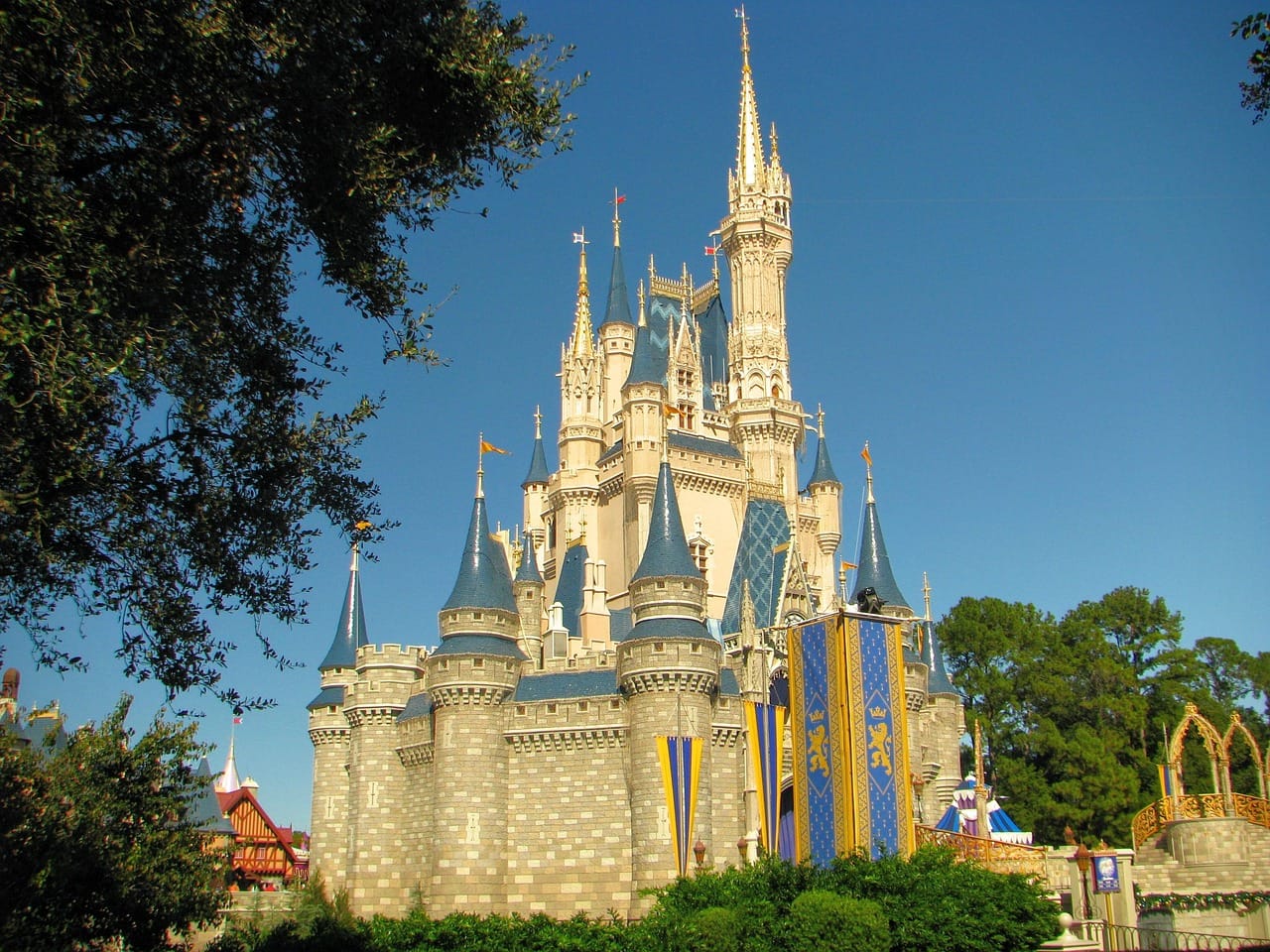
Photo by Demko on Pixabay.