The Perfect Movie, or the Perfect Lie?
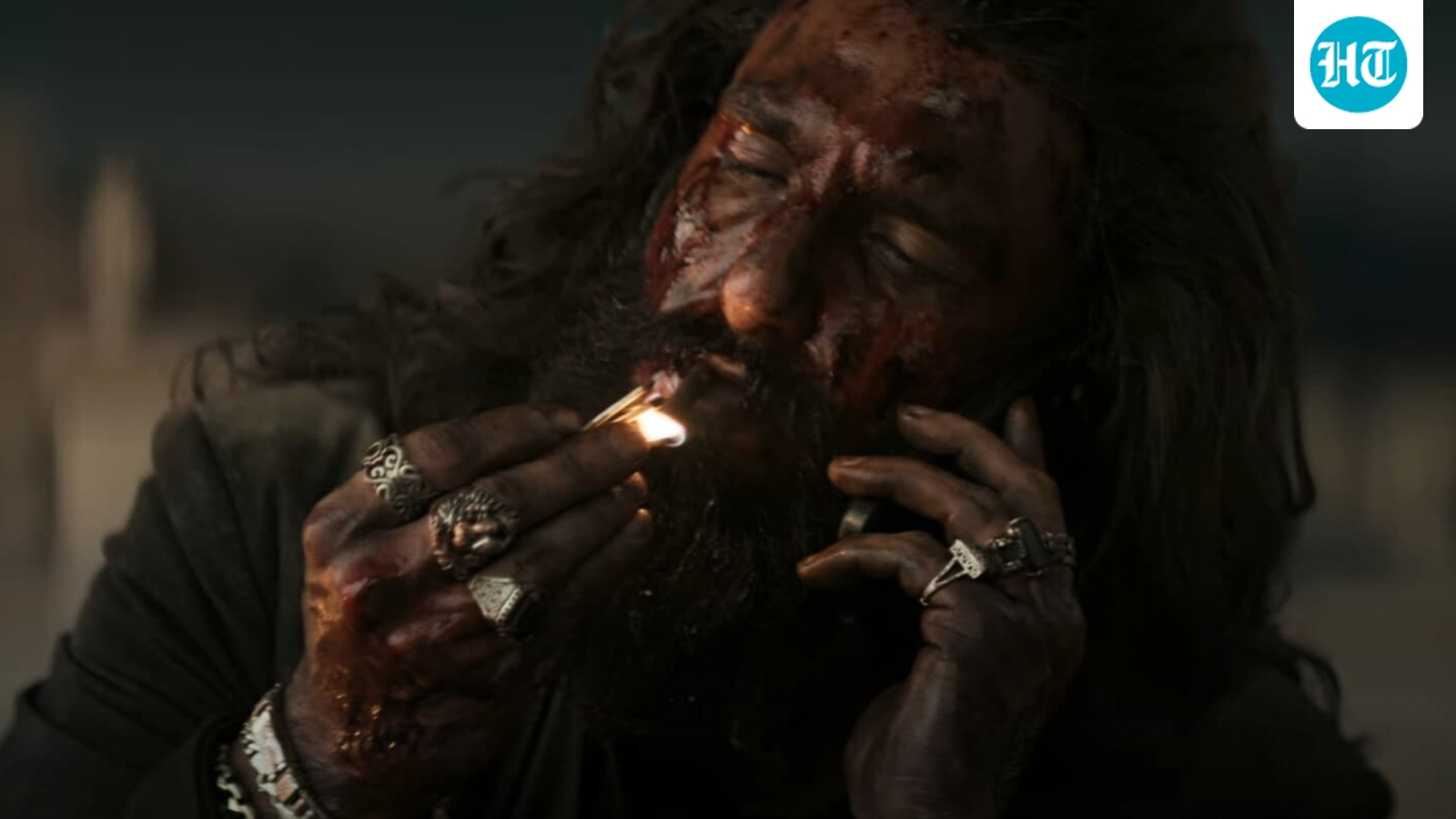
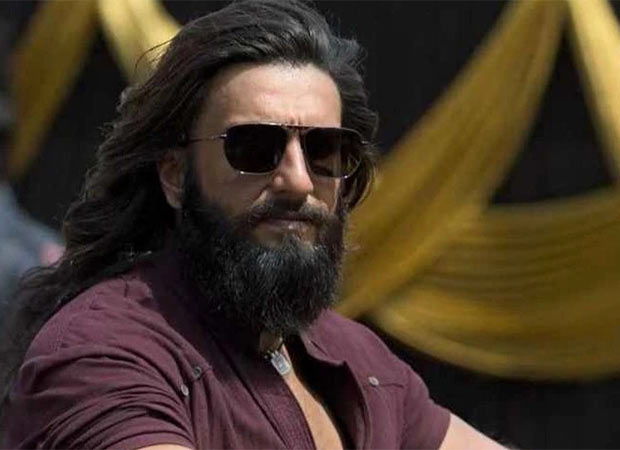
So, the gospel has been delivered from on high. The arbiters of taste, the anonymous Twitterati and the ever-so-reliable ‘first reviewers’, have declared Aditya Dhar’s ‘Dhurandhar’ an “out of the world” experience. A “blockbuster.” Ranveer Singh’s performance is, of course, “powerful.” Akshaye Khanna’s presence is… well, it’s present. It’s a flawless masterpiece, a cinematic revolution, and we should all be lining up, wallets open, to witness this miracle. But before you do, maybe take a breath. Step back from the manufactured glitter and ask yourself a simple question: does any of this smell right to you? Because from where I’m sitting, the whole operation stinks to high heaven. It has the pungent odor of desperation, of a PR machine running on fumes and churning out a smokescreen so thick they hope you won’t notice the building is on fire.
This isn’t journalism. This is an intervention. We’re watching a meticulously crafted illusion unfold in real-time, a magic trick where they want you to look at the beautiful assistant while they pick your pocket. They are telling you, not suggesting, but TELLING you that this movie is a hit before most of the world has even had a chance to see it. Why the rush? What are they so afraid of? Could it be they’re afraid of you? Afraid of your honest opinion, untainted by the chorus of paid-for praise?
A Convenient Boogeyman and Digital Ghosts
Let’s start with the most laughably transparent piece of this puzzle. A single Twitter review, amplified and blasted across media outlets as if it were a Papal decree, doesn’t just praise ‘Dhurandhar’. No, that’s not enough. It goes a step further, helpfully pointing out who the villain is. It reads, “Don’t fall for the negative propaganda spread by Ranbir Kapoor for #Dhurandhar.” How incredibly convenient. It’s a masterstroke of misdirection, isn’t it? You don’t just create a hero; you invent his nemesis to make his struggle seem more valiant. Suddenly, this isn’t just a movie release; it’s a war, a battle for cinematic purity against the dark forces of… a competing actor? Does anyone actually believe this nonsense? This isn’t a fan’s passionate tweet. This is a planted narrative. It’s astroturfing 101, a tactic as old as the internet itself. Create a fake grassroots movement, invent a conflict, and watch the conversation shift from “Is the movie any good?” to “Which side are you on?” It’s a cheap, cynical ploy designed to prey on fan rivalries and distract from the one thing that should matter: the quality of the film itself.
Who benefits from this? Not the audience. Not the art of cinema. The only beneficiaries are the producers and the PR firm that cooked up this pathetic little psyop. They’re treating you like a fool, assuming you’ll be so caught up in the playground drama that you won’t question the glowing, five-star reviews that materialized out of thin air. They’re building a narrative of victimhood, painting their multi-million dollar production as an underdog fighting against a shadowy conspiracy. It would be brilliant if it weren’t so insulting.
The Curious Case of the Vanishing Film
And now for the real evidence. The part of the story they can’t control with clever tweets and friendly reviews. While the Indian media ecosystem was busy anointing ‘Dhurandhar’ as the movie of the year, a strange thing was happening on the other side of the world. The film wasn’t there. Let me repeat that. The physical content, the actual movie, was delayed for overseas delivery. We’re talking about Australia, New Zealand, Fiji—key international markets. Early shows were in jeopardy of being canceled. Think about the sheer, mind-bending incompetence of that. You spend millions upon millions on production and marketing, you coordinate a global media blitz to declare your film a masterpiece, but you forget to mail the package on time? Is that what we’re supposed to believe?
No. I don’t buy it. In the high-stakes world of global film distribution, a delay like this isn’t a simple clerical error. It’s a five-alarm fire. Or… is it something else? What if the delay wasn’t a mistake at all? What if it was a strategy? It’s a tactic called ‘narrative control’. You unleash your wave of positive, pre-written reviews in your home market. You let that narrative solidify, letting it dominate search results and social media feeds for a crucial 12-24 hours. You create an overwhelming sense of FOMO (Fear Of Missing Out) and the illusion of universal acclaim. By the time the actual, paying audiences in Sydney or Auckland get to see the film and form their own, potentially less-flattering opinions, it’s already too late. The story has been written. ‘Dhurandhar is a blockbuster.’ It’s a fact, because the internet said so. Any dissenting opinion is just a drop in the ocean of manufactured hype, easily dismissed as a hater or, perhaps, a secret agent working for Ranbir Kapoor. It’s a calculated, cynical gambit to insulate their product from genuine criticism for as long as possible.
Hubris in a Two-Hour First Half
Let’s dig deeper into the mess. We’ve learned that the *first half* of this cinematic marvel clocks in at 2 hours and 4 minutes. The first half! That’s longer than entire, brilliant films like ‘Get Out’ or ‘A Quiet Place’. This isn’t ambitious filmmaking; it’s an act of supreme arrogance. It’s a filmmaker so high on his own supply that he believes the audience owes him their entire evening, with an intermission break before another hour-plus of presumed genius. What does this bloated runtime tell us? It suggests a film with no discipline, no editor brave enough to tell the director “no,” and a fundamental disrespect for the viewer’s time. It also screams of a troubled production. A runtime like that often points to an inability to wrangle the story, a frantic attempt to throw everything at the wall hoping something sticks. Does that sound like the confident work of a team that has a “blockbuster” on their hands? It sounds like chaos. It sounds like a frantic, last-minute scramble. When you combine this absurd length with the overseas delivery delays, a darker picture emerges. Maybe the reason the prints were late is because the film wasn’t finished. Maybe they were still tinkering, tweaking, desperately trying to salvage this behemoth right up until the deadline. The “out of the world experience” being sold to you might have been a wet, barely-rendered digital file just a few days ago.
This industry is built on perception. They sell the sizzle, not the steak, and in this case, the sizzle is a deafening roar designed to drown out the fact that the steak might be rotten. They need a massive opening weekend, because they know that word-of-mouth on a film this indulgent could be brutal. They need to get your money before your friend texts you saying, “Dude, don’t bother. It’s three and a half hours long and makes no sense.” So they front-load the experience. They create the illusion of a cultural event, a can’t-miss phenomenon, and by the time you realize you’ve been had, they’re already counting your cash and laughing all the way to the bank.
So when you read the breathless headlines and the five-star tweets, remember the missing reels of film. Remember the bizarre, planted story about a rival actor’s propaganda. Remember the two-hour first half. This isn’t the release of a film. It’s a carefully managed intelligence operation, and you, the audience, are the target. Be skeptical. Be cynical. Wait for real reviews from real people. Don’t let them tell you what to think. Because the truth is out there, and it’s probably a lot less “out of this world” than they want you to believe.