A Whiteout Descends on the Central Valley
The predawn light in Northern California struggled to pierce through a thick, impenetrable veil of fog on Tuesday. This wasn’t just a morning mist; it was a dense blanket that swallowed highways, muted the landscape, and brought the region to a near standstill. For residents accustomed to the Central Valley’s sunny disposition, this persistent fog felt like an unwelcome, persistent guest.
Visibility plummeted, transforming familiar roads into treacherous paths. The air hung heavy and damp, a stark contrast to the usual warmth and clarity that defines this agriculturally rich region. Meteorologists had issued advisories, a familiar warning to those who live here, but the sheer density of Tuesday’s fog served as a potent reminder of nature’s power to disrupt daily life.
Fog’s Grip: A Continued Challenge
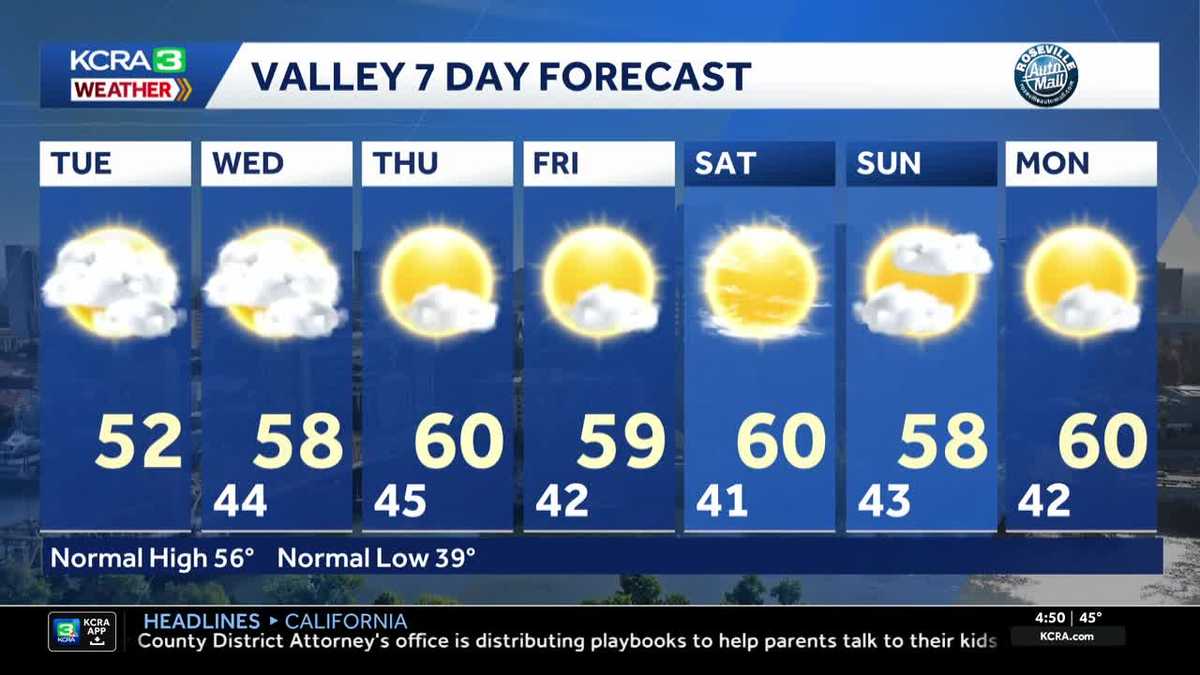
The National Weather Service had flagged a dense fog advisory for much of Northern California, a warning that proved prescient. Across the Central Valley, temperatures remained stubbornly below normal, a direct consequence of the sun’s inability to break through the atmospheric shroud. This created a prolonged period of gloom, impacting everything from morning commutes to agricultural operations.
While the eastern parts of the state might have seen glimpses of sunshine and milder conditions, the heart of the valley remained locked in a cool, damp embrace. The fog wasn’t merely a cosmetic issue; it carried with it a tangible chill, a dampness that permeated clothing and spirits alike. Residents were advised to exercise extreme caution if travel was necessary.
When Will the Fog Lift?
The question on many lips, repeated across social media feeds and morning radio shows, was simple: When will it lift? Meteorologists explained that the persistent cool temperatures and stable atmospheric conditions were ideal for fog formation and retention. The lack of strong winds meant the fog had little opportunity to dissipate naturally.
This meteorological stalemate created a challenging forecast for the day. While sunshine was expected to eventually prevail in some areas, the dense fog was predicted to linger in the Central Valley for much of Tuesday. This meant continued reduced visibility and the associated hazards, a concern for anyone venturing out.
Tragedy Strikes on Highway 43
Amidst the widespread fog, a grim reality unfolded on Highway 43 near Hanford. In the pre-dawn hours of Friday morning, a major crash involving multiple large semi-trailer trucks brought traffic to a standstill and emergency services to the scene. The exact circumstances leading to the collision were still under investigation, but the contributing factor of dense fog was a significant point of concern.
California Highway Patrol (CHP) Fresno confirmed the incident, stating that four commercial vehicles were involved. The sheer scale of the accident painted a stark picture of the dangers posed by reduced visibility. Pictures from the scene showed twisted metal and debris scattered across the roadway, a testament to the force of the collision.
The Human Cost of Low Visibility
The Hanford crash served as a tragic, albeit stark, illustration of the dangers posed by dense fog. While the input data did not detail the extent of injuries or fatalities, multi-vehicle collisions involving big rigs often result in severe consequences. The accident underscored the critical importance of heeding fog advisories and adjusting driving habits accordingly.
For the drivers involved, and for the emergency responders who arrived on scene, the fog was more than just a weather phenomenon; it was a tangible hazard that had turned a routine stretch of highway into a scene of devastation. The ripple effect of such an incident extends beyond the immediate participants, impacting freight movement and causing significant traffic delays for others.
Broader Impacts and Context
The dense fog affecting Northern California is a recurring phenomenon, particularly during the cooler months. The Central Valley’s geography, with its flat terrain and proximity to water sources, creates an environment conducive to fog formation. This often leads to what is colloquially known as “Tule fog,” a thick, ground-hugging fog notorious for its low visibility.
Tule fog typically forms under specific conditions: clear nights allowing for radiative cooling, calm winds, and sufficient moisture. When these elements align, the fog can become incredibly dense, reducing visibility to mere feet. It’s a natural occurrence that shapes life and travel in the region, requiring constant vigilance from drivers and residents.
A Call for Caution
As the fog continued to blanket the region, meteorologists reiterated their advice: slow down, increase following distances, and use low-beam headlights. The temptation to maintain normal speeds can be high, but in conditions of severely reduced visibility, even small errors in judgment can have catastrophic outcomes.
The incident on Highway 43 served as a somber reminder that the beauty of nature can sometimes present formidable challenges. The dense fog, while a natural part of the California landscape, demanded respect and careful navigation from all who encountered it. The coming days would likely see continued efforts to clear the roadways and assess the full impact of both the weather and the accident.
“You can’t see ten feet in front of you,” a local resident described the conditions. “It’s like driving blind. You just have to go slow and pray you get where you’re going safely.”