The Great Digital Migration: How Barnes’ Move Proves College Football Has Lost Its Soul
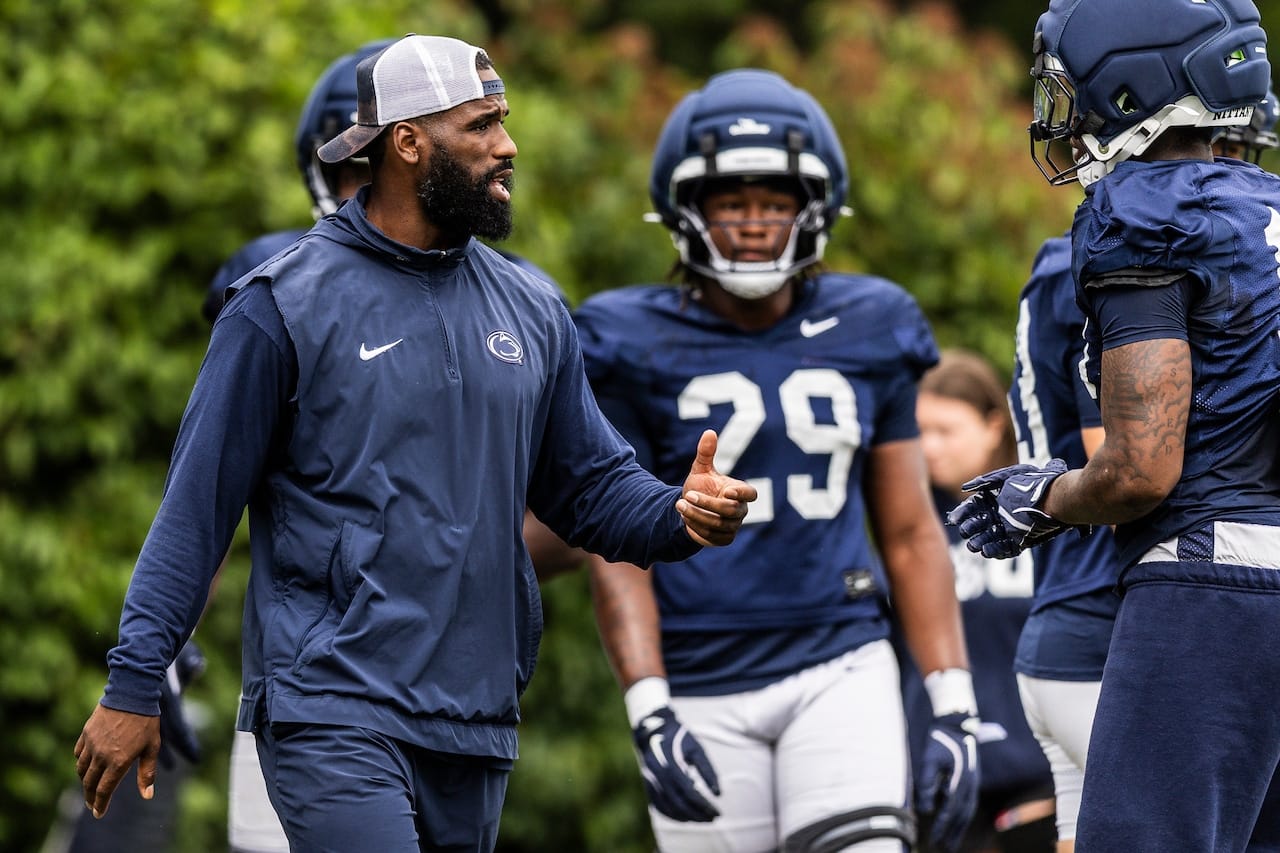
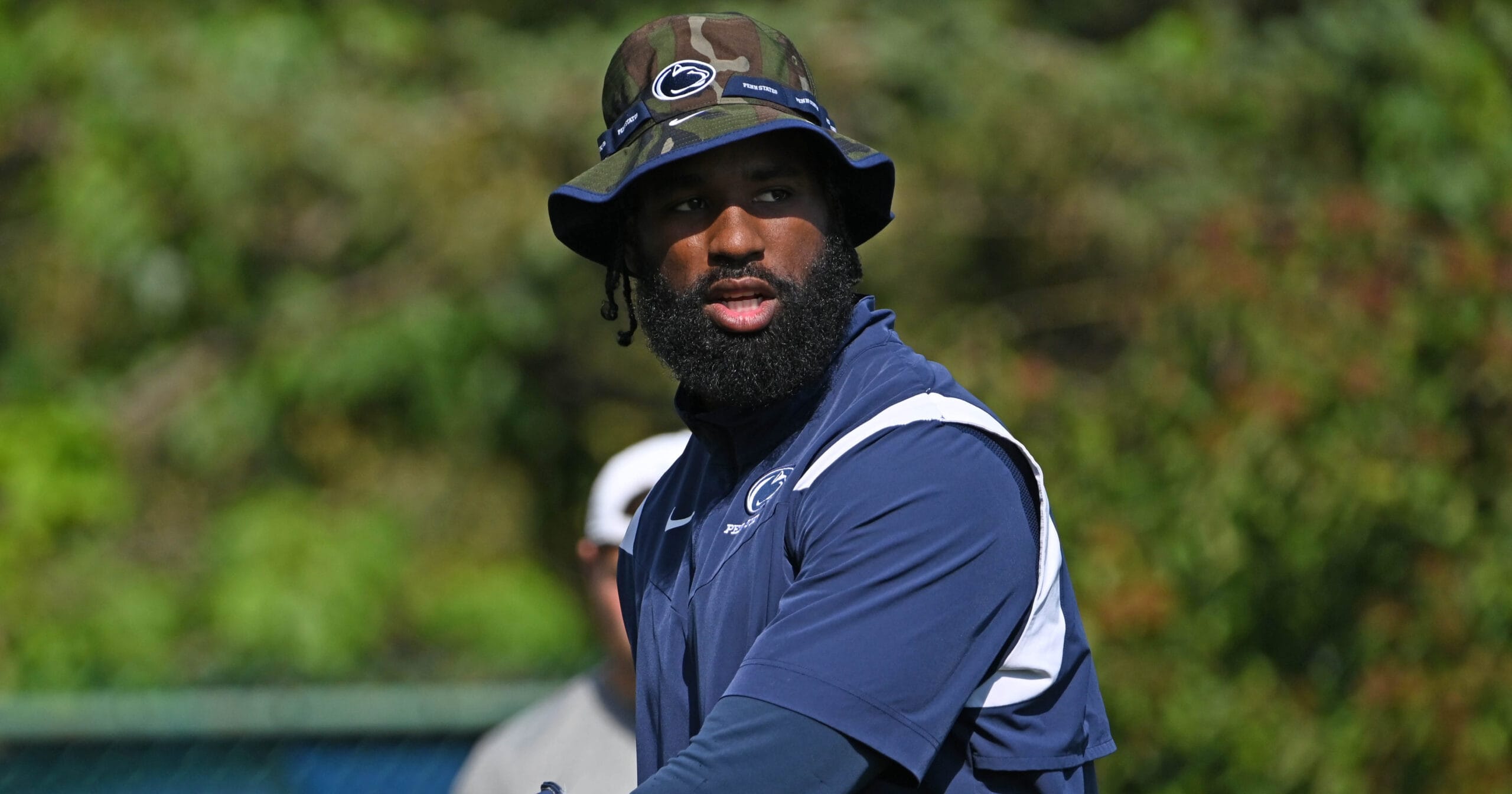
The headline reads that Deion Barnes is leaving Penn State for South Carolina, a move supposedly surprising to some, but let’s be real—the only thing surprising here is that anyone still pretends loyalty matters in college football.
This isn’t a story about a coach seeking a better opportunity; it’s a parable about the complete, total, and irreversible surrender of the sport to corporate algorithms and a soulless, digital-first mindset. When we look at a coach like Barnes moving from the Big Ten to the SEC, we aren’t seeing a human decision based on regional identity or tradition; we are observing a data point transferring from one server farm to another, a piece of optimization software moving from an outdated operating system (Penn State/Big Ten) to the market leader (South Carolina/SEC).
The Illusion of Loyalty and the Algorithm Coach
Let’s not mince words here: the concept of loyalty in modern sports, especially college sports, is dead. It’s not just players jumping ship through the transfer portal, seeking out the highest bidder in a desperate race for NIL money; it’s the entire coaching structure following suit, chasing a “better fit” that’s invariably defined by the most recent spreadsheet analysis of recruiting advantages and resource allocation.
When a coach moves, we used to talk about things like “culture fit” or “legacy.” Now, we talk about “scheme optimization” and “recruiting footprint.” Barnes’ move to be an EDGE coach for Shane Beamer isn’t about Beamer’s personal charisma or South Carolina’s deep-rooted traditions. It’s about Beamer, a modern coach if there ever was one, identifying a specific data set (Barnes’ profile) that he believes will improve his team’s defensive metrics and recruiting algorithm. The human element, the idea of building something lasting with people you trust, has been replaced by the sterile logic of a data-driven hiring process. It’s a shame, really, how easily a sport built on grit and sacrifice has become indistinguishable from a corporate merger.
The Big Ten’s Identity Crisis
This move is particularly telling for the Big Ten. For decades, the Big Ten represented something different from the SEC. It was the land of three yards and a cloud of dust, of cold weather, and a certain stubborn, often boring, reliance on fundamentals. The SEC was known for speed, flash, and the relentless pursuit of championships at any cost. This dichotomy, while often exaggerated, gave each conference an identity. But now? The Big Ten is actively trying to become the SEC, poaching west coast teams and throwing money around like a drunken sailor. The identity of the Big Ten is dissolving faster than a sugar cube in hot coffee.
When a coach like Barnes, who presumably understands the Penn State way (after all, he played there and coached there), abandons that identity for the siren call of the SEC, it’s not just a single hire; it’s a validation that the Big Ten’s historical identity is functionally obsolete. The SEC’s strategy, rooted in aggressive recruiting and high turnover, has become the dominant paradigm, forcing everyone else to conform or face irrelevance. The Big Ten’s attempt to counter the SEC by expanding into California and adding high-profile programs isn’t a sign of strength; it’s a desperate attempt to keep up with the data points, to mimic the corporate structure that has already dominated the landscape. The entire conference is sacrificing its soul to keep its head above water. It’s a race to see which conference can become the most efficient, soulless corporate entity first.
The Tech Skeptic’s Warning: The End of Authentic Rivalries
We are witnessing the end of authentic rivalries. When teams from entirely different regions play each other based on corporate-mandated scheduling, and coaches and players jump between conferences with abandon, how can we truly feel the hatred or passion that used to define these matchups? We can’t. It’s all just programming. The game used to be about regional pride, about bragging rights over your neighbor; now it’s about optimizing your team’s power rating on a national scale.
Think about it: in the future, with AI and predictive analytics taking over every aspect of decision-making, will we even need human coaches? The future of college football coaching is probably just a data entry position where a human executes the commands issued by an AI model that analyzed billions of data points to determine that “coach X, with a 99.4% success probability in recruiting defensive linemen in the Georgia/South Carolina region, should be hired for position Y.” Barnes’ move is merely the first, clunky, human iteration of this fully automated system. We are already halfway there, sacrificing the messy, passionate, and imperfect human element for the cold, hard, efficient logic of the machine.
The Inevitable Outcome: A Monolithic Super-League
This move highlights the inevitable outcome: a monolithic super-league where the only difference between teams is the color of their uniforms and the size of their NIL budgets. The SEC and the Big Ten are effectively merging into one giant entity, and Barnes’ move is simply one small step in that process. The era of distinct coaching philosophies or regional identities is fading; we are moving toward a highly standardized product designed for maximum revenue generation and television viewership. The game itself is becoming secondary to the spectacle and the spreadsheet.
The fans, in their desperate clinging to a past that no longer exists, continue to celebrate individual wins and losses as if they truly matter, unaware that they are just watching two different subsidiaries of the same corporate structure battling for market share. The real competition isn’t on the field anymore; it’s in the boardrooms and on the spreadsheets. The transfer portal isn’t just about players seeking better opportunities; it’s about the entire system in flux, a chaotic digital mess that is destroying the very foundation of the sport. Barnes moving from Penn State to South Carolina is just another cog in the machine turning over, another piece of evidence that the human element has been replaced by the optimization algorithm.
So go ahead, celebrate the hire. But remember what you’re really celebrating: the final nail in the coffin of authentic college football, replaced by a soulless, hyper-optimized product designed to maximize profit, not passion. The game used to be about grit; now it’s about gigabytes.