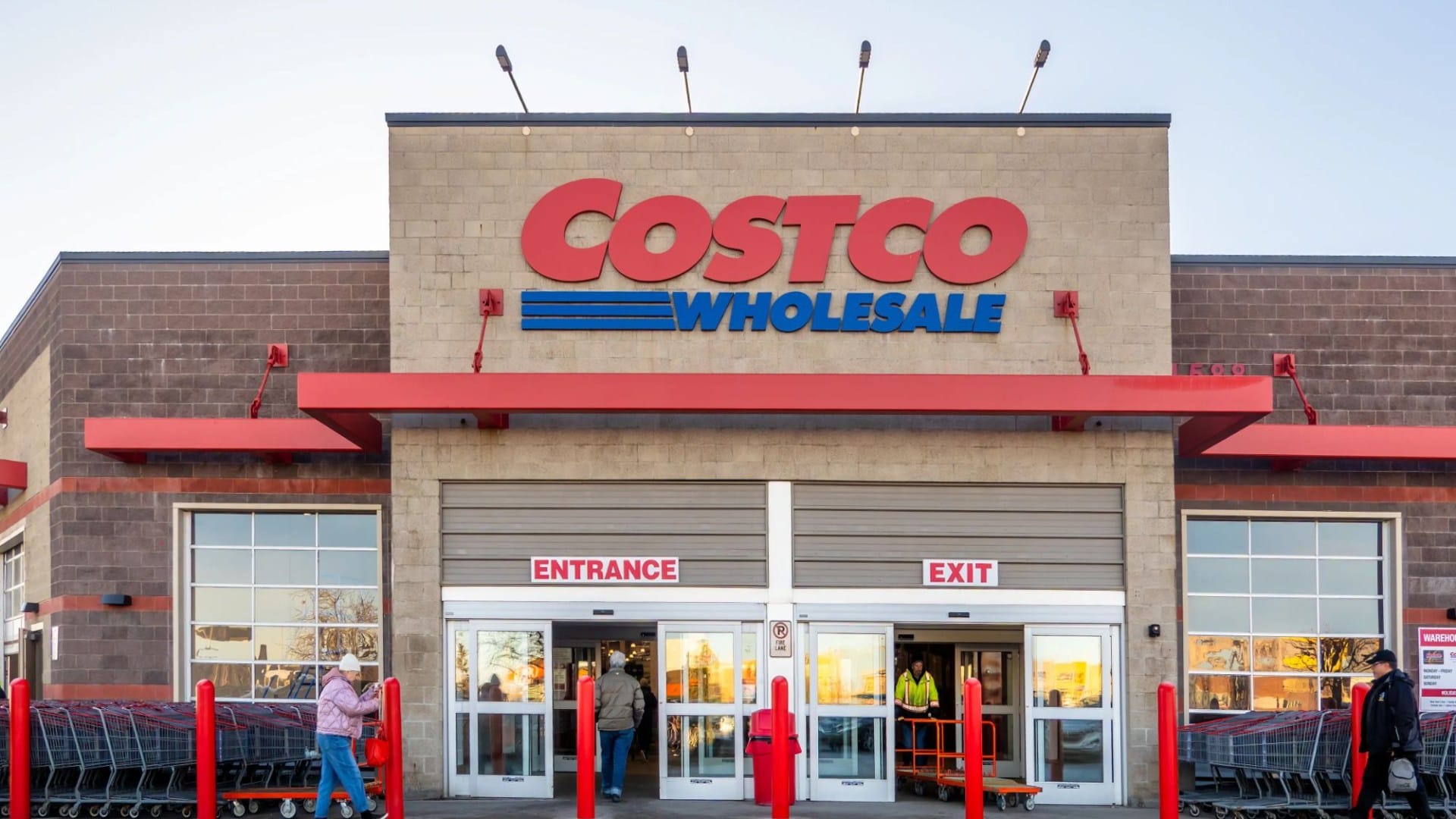
The Illusion of Convenience: Why Costco Really Closes Its Doors
The Public Relations Smoke Screen
And they tell us it’s for the employees. Really? Giving the retail drones a day off around New Year’s Eve? Give me a break. But that’s the narrative they pedal because we, the consumers, eat that garbage up like free samples on aisle five. Because Costco, the titan of bulk, understands something fundamentally terrifying about modern consumerism: control is everything.
But they did it. They confirmed the big sleep for all 623 locations. It sounds generous, doesn’t it? Like a benevolent overlord tossing down crumbs of rest to the weary masses. Balderdash. This is not charity; this is market manipulation dressed up in a cheap, polyester vest. When a company that moves mountains of goods decides to halt operations entirely, the ripple effect isn’t just about where Brenda buys her toilet paper next Tuesday; it’s about signaling dominance to every single rival left standing in the wasteland of American retail.
Forcing the Hand of the Unprepared
Because when Costco presses pause, where do millions of card-carrying members suddenly pivot? Walmart, obviously. Target, perhaps. Maybe even Amazon starts looking slightly less inconvenient for that one missing spice blend they needed for their New Year’s spread. And that, my friends, is the cold, hard calculation.
This temporary absence creates an artificial scarcity, a vacuum that only the competition can fill. Think about the supply chain stress this creates, even for a single 24-hour window. Walmart logistics teams suddenly have to absorb an unexpected, massive surge in last-minute bulk buying, putting strain on their systems right when they are trying to wrap up their own holiday accounting. It’s strategic disruption, pure and simple.
And what does Costco gain? They get to watch the competitive heat map from the sidelines. They see exactly which rival retailers buckle under the pressure, which ones run out of stock on key items, and most importantly, they remind the shopper just how inconvenient life becomes when the membership card is useless. It’s market research disguised as a holiday observance. Very slick.
The Historical Precedent of Power Moves
We look back at retail history, and these giants always pull stunts like this when they are consolidating power. Remember when they started flexing on egg sizes? Or when they dictated terms on generic brands? This store closure is just the next iteration of that same muscle flexing. It’s saying, “We control your schedule now. You plan around us, or you pay the premium elsewhere.”
But let’s dig deeper into the ‘why.’ It isn’t just about beating Walmart this week. It’s about training the consumer cohort. Years of conditioning have taught us that Costco operates like clockwork, only taking major holidays off. But a random, unilateral 24-hour shutdown forces a behavioral correction. It hammers home the message: *Always overbuy. Always plan further ahead.*
Because if you run out of that six-pack of olive oil on December 31st and Costco is dark, you are going to feel pain. Real pain. And that pain reinforces the hoarding mentality that fuels their entire business model. It ensures that next year, you’ll probably buy three six-packs instead of two. Vicious cycle marketing at its finest. It’s a masterpiece of behavioral economics.
The Employee Angle: A Flimsy Shield
The idea that this is some grand gesture for the hardworking employees is laughably thin, especially when you consider how they treat their floor staff the other 364 days of the year. But the press releases have to sing that tune. And we, the weary masses, nod along because the alternative narrative—that we are being played by a soulless algorithm designed to maximize quarterly returns—is too exhausting to contemplate.
Think about the operational savings, too, even for just one day. Massive utility bills slashed. Security costs down. While the PR machine spouts tales of ‘work-life balance,’ the CFO is busy counting the cash saved by turning off the lights across 623 behemoths simultaneously. It’s not a coincidence this happens right after the brutal holiday rush; it’s a calculated recouping of energy, both human and electrical, while simultaneously distracting from Q4 numbers.
And what about the sheer logistics of opening and closing that many massive facilities simultaneously? It requires precision that rivals a military operation. They aren’t just locking doors. They are coordinating inventory shutdowns, security sweeps, and ensuring that their digital presence accurately reflects the physical closure—all while managing the inevitable social media meltdown. It’s incredibly complex orchestration, and complexity, when mastered, equals untouchable status in the marketplace.
The Future of Forced Shopping
When we look ahead, this move sets a terrifying precedent. If Costco can unilaterally decide that the entire nation must shift its purchasing habits for 24 hours, what stops them from doing 48? Or perhaps mandating specific shopping days based on membership tier?
Because they are testing the water. How severe was the backlash? Minimal, I’d wager. A few grumbles on Twitter, maybe a news segment asking, “Is Costco open?”—which is exactly what the input data shows. They generate headlines asking the question, but the answer only reinforces their power: *No, and deal with it.*
This isn’t just about New Year’s Eve. This is about solidifying the psychological hold they have over suburban provisioning. They are the anchor store. If the anchor lifts, even momentarily, the entire shopping center feels unstable. People panic buy at rivals just to feel *normal* again, rushing back to Costco on January 2nd to replenish what they impulsively bought at inflated prices elsewhere on December 31st.
The strategy is layered like a giant party platter of questionable hotdogs. First layer: PR benefit (employee appreciation). Second layer: Competitive stress test (see who cracks under unexpected demand). Third layer: Consumer behavior conditioning (reinforce over-buying habits). Fourth layer: Operational cost savings. You have to admire the sheer audacity of it all, even if it makes you sick.
But don’t be fooled by the cheerful signage and the massive pallets of discounted everything. This is a cold, calculated strategy executed by executives who view consumers less as patrons and more as variables in a vast, sprawling economic equation. So, when you find yourself stranded without your preferred brand of imported olive oil because the warehouse is dark, remember: it wasn’t an accident. It was a directive.
And they’ll do it again. Absolutely.