The Great Costco Retreat: A Symptom, Not a Celebration
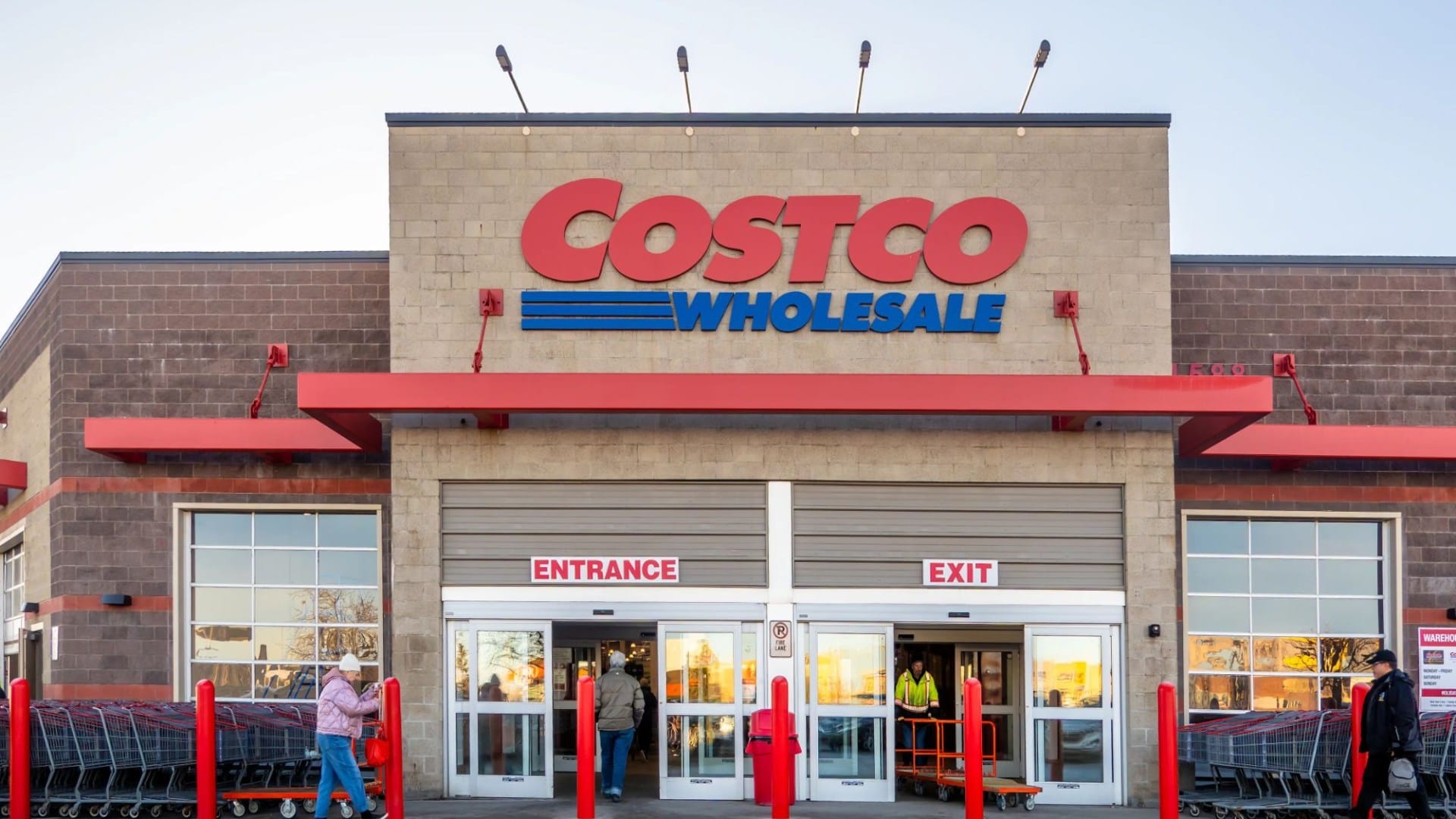
So, Costco is shutting down for 24 hours. Really? Is this some grand gesture of corporate benevolence, or is it a tacit admission that the logistics, the staffing nightmare, or perhaps the sheer *volume* of impending New Year’s Eve panic-buying became utterly unmanageable? We are supposed to see this as them respecting workers. I see it as triage. They hit a wall. They simply cannot maintain the illusion of endless abundance when everyone is trying to stock up for the apocalypse party.
When Does the Door Slam Shut? The Operational Blackout
We are talking about New Year’s Eve 2025, ostensibly. But let’s be real; these closures often happen around key holidays, and the sheer scale—623 stores nationwide—is staggering. What does it take for a behemoth built on efficiency and high-volume throughput to just press the pause button? It means the marginal cost of staying open, dealing with staff shortages, dealing with the predictable surge of last-minute champagne and rotisserie chicken runs, outweighs the marginal profit. That’s cold, hard logic, folks. But logic only gets you so far when you’re trying to keep the shareholders happy.
Isn’t it ironic that the empire of bulk buying is temporarily admitting defeat? They train us, condition us, to rely on their massive pallets of everything. Then, bam! Dark. Suddenly, Walmart, that eternal antagonist, looks like the dependable anchor in the storm. Costco throws us to the wolves, or rather, to the slightly smaller wolves with better holiday scheduling.
The Real Cost of the ‘Day Off’
People claim this is worker appreciation. Please. If they truly appreciated their workforce, they’d pay them so well and staff the stores so robustly that a single day off wouldn’t create a logistical catastrophe either side of the closure. This isn’t a Hallmark moment; it’s a pressure release valve. They are blowing off steam because the system is stressed to the breaking point. Can the supply chain even handle the immediate aftermath of this closure? You bet your membership fee it can’t. The first day *back* will be absolute chaos. People double-up their trips, stuffing their carts with a week’s worth of supplies because they know Costco won’t stop for them again anytime soon. The disruption breeds inefficiency, not rest.
Why aren’t we talking about the $20 million in lost sales they’ve willingly forfeited? That’s not pocket change, even for them. This move suggests that the pressure cooker atmosphere during peak shopping days is so toxic—the theft, the returns fraud, the sheer physical exhaustion of the hourly workers—that a forced shutdown is the only way to reset the clock. It’s like rebooting a server that’s about to crash spectacularly.
Rivalry Intensifies: The Walmart Factor
When Costco locks its doors, where do the hordes go? They scatter. They flood local grocery stores, sure, but they absolutely descend upon Walmart and Target. This isn’t a neutral act. Costco is handing market share directly to its direct, often cheaper, competitors. They are effectively gifting foot traffic and last-minute impulse buys to the competition right before the new fiscal year kicks in. Is the goodwill gesture truly worth sacrificing those immediate sales figures? That’s the gamble. They are betting that the saved labor costs and the good PR outweigh the immediate revenue hit, while simultaneously forcing shoppers to experience the relative inconvenience of shopping elsewhere.
Consider the shopper who *needs* that 40-pack of toilet paper or that giant vat of mayonnaise on New Year’s Eve. They have no choice. They must engage with the less efficient, perhaps less desirable, shopping experience elsewhere. Costco is testing the elasticity of customer loyalty. Will the devoted bulk buyer switch allegiance after one bad experience at a conventional store? Probably not immediately, but every time they are forced out, the habit breaks a little bit.
Predicting the Next Strain Point
If the staffing and logistics are this fragile now, what happens when something truly unexpected hits? A major weather event? A genuine supply chain shock? This 24-hour closure reveals systemic fragility hidden beneath the veneer of rock-solid operations. We look at Costco and see massive buying power; perhaps we should be looking at their massive *employee* reliance and the razor-thin margins they maintain by squeezing every operational drop.
What happens when they try to implement major technological shifts? If they can’t handle a predictable holiday rush, how will they absorb the shock of widespread robotization or massive AI integration into inventory management? The answer is poorly. They crumble. This closure is an early warning flare, signaling that the scale they’ve achieved might actually be too large for the current human resources model to sustain.
Furthermore, how does this affect the internal culture? Do employees feel genuinely rested, or do they feel that management punted the problem down the road? Often, forced closures just compress the next week’s workload into a tighter squeeze. The pressure doesn’t vanish; it just shifts phase. The analysis needs to move past the surface-level PR spin about giving folks time off and dig into the operational stress fractures this event exposes. It’s a tactical retreat in the war for consumer dollars, and every retreat signals vulnerability, doesn’t it?
The Psychology of Scarcity Created by Abundance
Costco’s entire model is built on the *promise* of consistent availability of goods in quantity. By voluntarily creating artificial scarcity—by closing the doors—they manipulate consumer behavior in ways that are fascinatingly counterintuitive. They are leveraging their brand power to dictate when consumption can occur. This is a power move. It says, “We control the flow of goods, not just the price.” We, the consumers, are being trained to schedule our massive purchases around *their* corporate calendar. This goes beyond mere holiday hours; this is an assertion of market dominance so complete that they can mandate leisure time for the entire nation’s shopping habits, whether we like it or not.
Think about the sheer number of people who build their weekly meal plans around Costco staples. When that source dries up, even briefly, it creates genuine anxiety, a low-level panic that ripples through households. This manufactured inconvenience is the price we pay for the low, low bulk pricing, isn’t it? We sacrifice spontaneity for savings. And now, we sacrifice convenience for their day off. It’s a trade-off that should be examined far more critically than just glancing at the clock and saying, “Oh, they’re closed on New Year’s Day too, I guess.” This is structural, not seasonal.