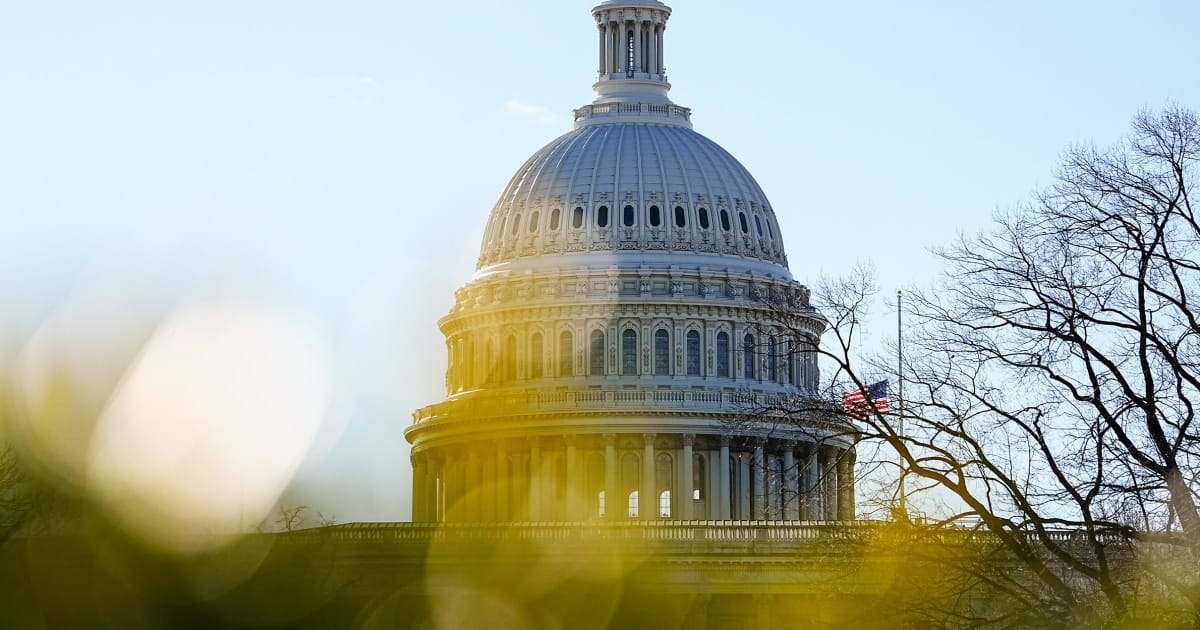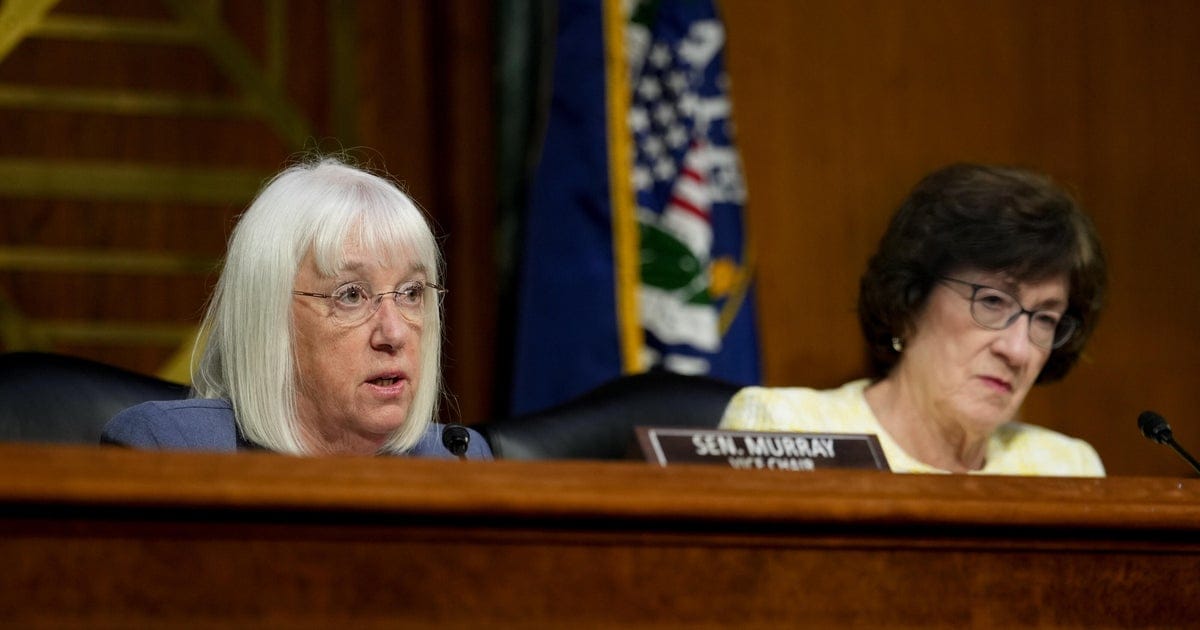
WASHINGTON — Congressional negotiators from both parties released a massive bill Tuesday containing the final measures required to fund the U.S. government, racing against a critical shutdown deadline set for January 30.
The legislative effort, spearheaded by leaders in both the House and Senate, aims to complete the appropriations process for the current fiscal year. The release of the bill, described as a 1,059-page bipartisan document, marks the culmination of weeks of intense, high-stakes negotiations.
The Clock Ticking on Capitol Hill
The release of these final funding measures—described by lawmakers as the last four bills necessary to complete the government’s appropriations—is a standard, if perpetually late, feature of Washington politics. This push comes just days before a segmented deadline, established via a previous short-term Continuing Resolution (CR), would trigger a partial lapse in federal agency funding.
The principal objective is to provide appropriations for major departments, including the Department of Homeland Security (DHS), the Pentagon, and various high-profile domestic agencies. While specific finalized dollar figures were not confirmed in the initial announcement regarding the bill’s release, previous reporting indicated the spending measures addressed a significant tranche of government operations, often totaling over a trillion dollars for the affected departments.
The Scope of the Massive Legislation
The complexity and scope of the funding package are underscored by its sheer physical volume. The bipartisan bill spans 1,059 pages, reflecting the detailed, agency-by-agency nature of Congressional spending mandates. Negotiators stressed the necessity of a unified, bipartisan front to ensure the bill’s passage through the narrowly divided chambers.
The strategy of bundling the appropriations into these final four measures is intended to expedite the legislative process. Lawmakers are now under intense pressure to read, debate, and vote on the text before the upcoming Jan. 30 deadline, a timeline that leaves little margin for error or significant political maneuvering.
Navigating the Shutdown Threat
A government shutdown occurs when Congress fails to pass appropriation bills or a Continuing Resolution to authorize funding for the upcoming fiscal year or, in this case, to finish funding the current year. Without congressional action, federal agencies must cease non-essential operations, furlough hundreds of thousands of employees, and halt crucial services.
The constant negotiation against the threat of a shutdown has become a regular fixture of modern U.S. governance, often used by political factions to leverage concessions on policy riders or spending cuts. The threat this time was particularly acute, with deep disagreements remaining on border security funding and immigration policy, which directly affect agencies like Immigration and Customs Enforcement (ICE) under the DHS umbrella.
The Stakes: DHS, Pentagon, and Domestic Agencies
The departments covered by this final funding package are among the most critical and politically sensitive areas of federal government operations. Funding for the Pentagon and defense initiatives typically garners wide bipartisan support, but the appropriations often become entangled with domestic policy debates.
The Department of Homeland Security remains a central point of contention. The funding levels for DHS dictate border enforcement capabilities, the management of asylum seekers, and the operations of agencies critical to national security, including ICE. Reports suggested that a significant clash over ICE funding provisions was looming during the final stages of negotiation, highlighting the political fault lines that made reaching this bipartisan agreement so difficult.
The rapid timeline for review and passage means that both chambers of Congress will have only a few days to scrutinize the complex legislative text, a process often criticized for limiting transparency but deemed necessary to meet the immediate financial deadlines.
Failure to pass these final measures would not only disrupt agency functions but could also send a negative signal to global markets about the stability of U.S. fiscal management. Crucial federal services, including safety inspections, national parks, and even certain elements of the financial regulatory structure, would face immediate disruption.
Context of Appropriations and Fiscal Brinkmanship
The U.S. federal government operates on a fiscal year that begins on October 1. Ideally, Congress should pass 12 separate appropriations bills by that date. When this schedule is missed, lawmakers resort to Continuing Resolutions (CRs), which maintain funding at existing levels for a temporary period, usually a few weeks or months.
The bill released Tuesday represents the final effort to move beyond these temporary CRs and fully implement the funding levels and policy directives agreed upon for the current year. The use of segmented deadlines—where funding for some agencies expires before others—is a relatively recent strategy employed by congressional leaders to reduce the shock of a full, simultaneous shutdown, though it multiplies the number of required legislative actions.
Legislative Hurdles Ahead
The path forward requires swift action. Once the text is fully reviewed, the bill must pass the House of Representatives, where floor votes can be complicated by hardline factions within the majority party. Following House approval, the measure must pass the Senate, where procedural rules often require 60 votes to overcome potential filibusters, necessitating robust bipartisan cooperation.
The urgency of the Jan. 30 deadline means that congressional leadership will likely push the bill forward under suspension of rules or similar fast-track mechanisms. Ultimately, the successful passage of the 1,059-page bill will allow the government to avoid a partial shutdown and conclude one of the most contentious elements of the annual budget cycle.
The necessity of completing the funding bills underlines the structural challenges inherent in a polarized legislative environment. While the release of the text is a major step toward stability, the threat of a lapse in funding remains until the bill is signed into law by the President.