The Grand Illusion on Saturday Afternoons
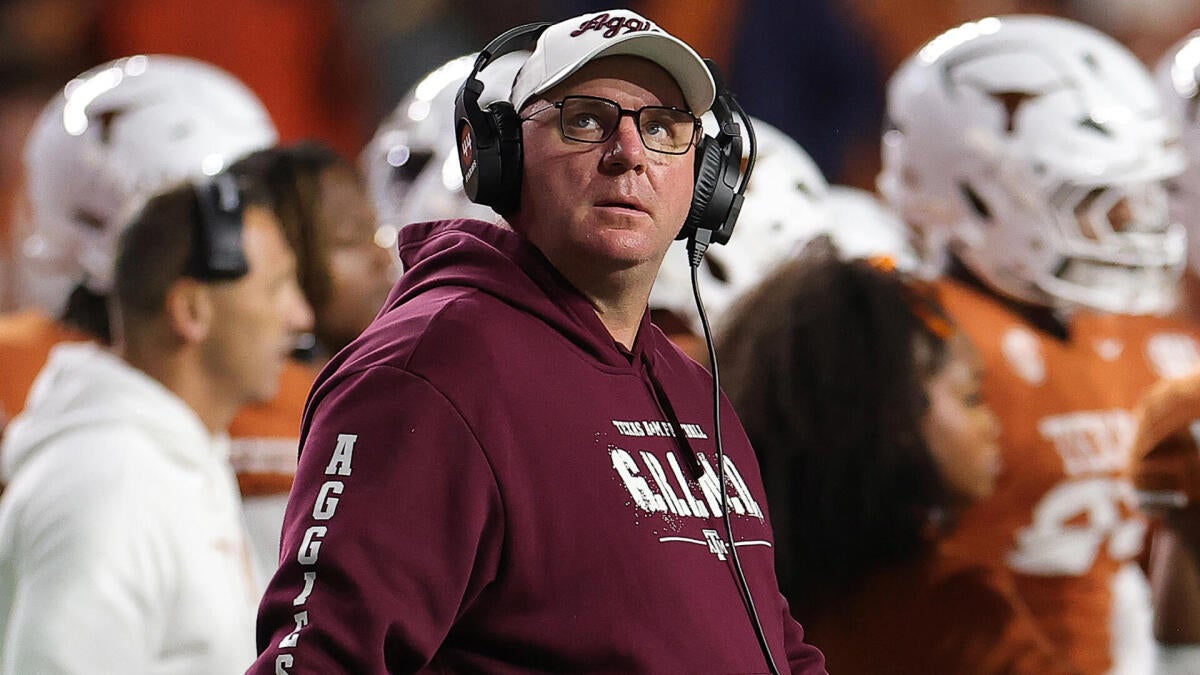
So, let’s get this straight. Texas A&M, a darling of the pollsters for two solid months, suddenly tumbles out of the top five. Why? Did their players forget how to play football overnight? Or did the narrative simply run its course? The ink-stained wretches and talking heads who make up the Associated Press poll would have you believe this is a meritocracy, a pure accounting of wins and losses where the best teams rise like cream. What a load of garbage. This isn’t a sport; it’s a pre-packaged television drama, and the rankings are just the weekly script notes sent down from the executive producers at ESPN and FOX.
They needed a new storyline. The A&M saga was getting stale. So, poof. They’re out. And who climbs? Oregon. Convenient, isn’t it? With the PAC-12 gasping for air and trying to prove its relevance in a world dominated by the SEC and Big Ten, suddenly the Ducks look like world-beaters after handling Washington. It’s a manufactured push to keep the West Coast market engaged, to give the illusion of national competition. Give them a hero. Give them a contender. It’s good for business.
The Manufactured Hype Machine
Ohio State “solidifies” its No. 1 status. What does that even mean? Did they suddenly become more No. 1 than they were last week? Of course not. It’s just media-speak, a meaningless phrase designed to reinforce a brand. Ohio State is a blue-chip stock. They are a ratings juggernaut, a cash cow that the networks need to perform well to justify their billion-dollar broadcast deals. So, the AP voters, who are overwhelmingly employed by the very media companies that profit from these deals, dutifully place them at the top. It’s a self-licking ice cream cone. Do you really believe a reporter from a regional paper in Columbus is going to risk his access by voting against the local money machine? Get real.
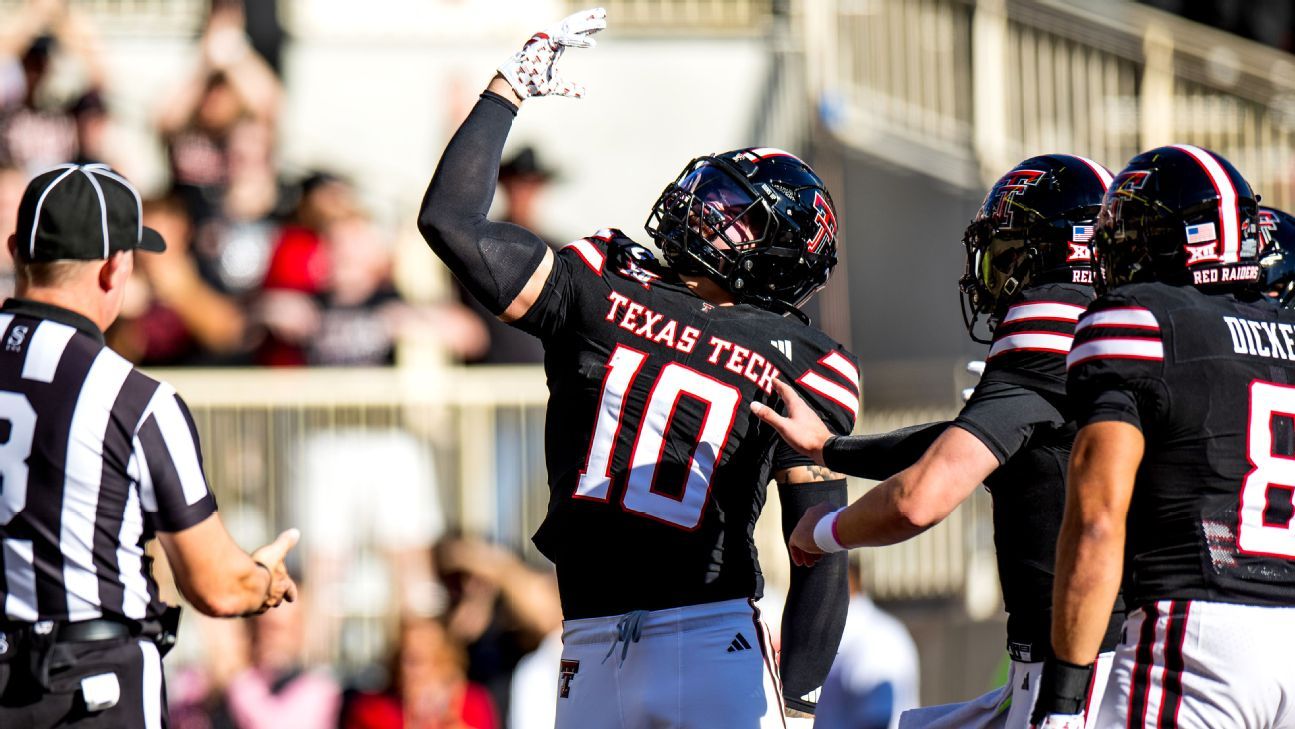
And then you have the feel-good story of the week: Texas Tech. Their highest ranking in 17 years! How nice. A little pat on the head for the B-listers. Let them have a moment in the sun, let their fans buy some extra merchandise and tune in for a big game before they’re inevitably fed to one of the chosen powerhouses. It’s a calculated move to maintain the illusion of parity and upward mobility. See? Anyone can make it! No, they can’t. They can rent a spot in the top ten for a week or two, but they don’t own it. That property belongs to a select few, and the AP Poll is the security guard making sure no squatters hang around for too long.
Follow the Goddamn Money
You can’t analyze college football without a deep, cynical understanding of the money trail. The AP Poll is not a ranking of football teams; it is a direct reflection of broadcast media contracts and booster influence. Every single slot is a financial instrument. A top-five ranking doesn’t just mean you’re good; it means you’re profitable. It means your brand moves the needle. It means more lucrative bowl game invitations, which means massive payouts for the conferences. It’s the engine that drives the entire corrupt enterprise.
Why did the SEC expand to include Texas and Oklahoma? Was it for the love of the game and historic rivalries? Please. It was a hostile takeover of two of the biggest television markets in the country. It was a move to create a media super-conference so powerful that ESPN could justify handing them a blank check. Now, every single week, the narrative has to protect that investment. That’s why you see SEC teams get the benefit of the doubt, dropping only a few spots after a loss while a team from a less-powerful conference would plummet into oblivion for the same performance. The pollsters aren’t voting on football; they’re protecting their parent company’s portfolio.
The Puppet Masters Pulling the Strings
Who are these voters anyway? They’re just sportswriters. People who depend on access to coaches and players to do their jobs. They travel with the teams, eat at the same press buffets, and build relationships. Do you honestly think they are impartial observers? They are embedded parts of the machine, cogs in the promotional apparatus. A friendly vote for the home team ensures the coach might give you an exclusive soundbite later. A vote that props up the conference narrative makes their beat more nationally relevant, which is good for their career. It’s a grimy, unspoken transaction happening hundreds of times every single Sunday morning.
And what about the boosters? The billionaires in the luxury boxes who pour obscene amounts of money into these programs. You don’t think they have a direct line to the media? You don’t think a powerful oil tycoon in Texas can make a few phone calls to a media executive he plays golf with and ‘suggest’ that his team isn’t getting a fair shake in the polls? This isn’t a conspiracy theory; it’s just business. The AP Poll is one of the most easily manipulated and compromised systems in all of sports. It has the veneer of officialdom but the structural integrity of a wet paper bag. It’s a tool used by the powerful to cement their power, to create a self-fulfilling prophecy where the teams they want to be on top, end up on top.
The Coming Collapse of the Sham
This whole charade is unsustainable. The façade of amateurism is crumbling faster than anyone can patch it up. With the advent of NIL (Name, Image, and Likeness) deals and the transfer portal, the system has basically become a quasi-professional league with no salary cap and zero regulation. The money is no longer under the table; it’s right there on the surface, and it’s making the inherent corruption of the rankings system even more stark and absurd.
Now, a team’s success isn’t just about coaching or recruiting; it’s about which collective of car dealership owners can put together the biggest slush fund to buy the best players. How can the AP Poll possibly pretend to rank teams based on merit when the playing field is so grotesquely unbalanced? A high ranking now is just an advertisement for a program’s NIL fund. ‘Come play for us, get ranked in the top 5, and our boosters will make you a millionaire.’ That’s the real recruiting pitch. The games are almost secondary to the financial transactions they enable.
An NFL Minor League in Disguise
What we’re watching is the slow, painful death of college football as we knew it and the birth of something else. A monster. The super-conferences, the SEC and the Big Ten, are on an inevitable collision course to break away from the NCAA entirely. They will form their own league, a 30 or 40-team behemoth, and they will sign their own exclusive, mind-bogglingly large television contract. And what will the AP Poll do then? It will do what it has always done: serve its masters. It will rank the teams within that new league, manufacturing drama and propping up the most profitable matchups just as it does now.
Teams like Texas Tech, who get their brief moment of glory? They’ll be on the outside looking in, relegated to a lower division of has-beens and never-weres. The poll was never for them. It was just using them as a temporary prop in the bigger show. The entire system—the polls, the bowls, the laughable notion of the ‘student-athlete’—is a house of cards built on a foundation of cheap labor and broadcast rights. The wind is picking up. You can already hear it starting to creak. Don’t be shocked when it all comes crashing down. Just make sure you know who sold you the ticket to watch.