The New 12-Team Debacle: A Corporate Shell Game Dressed Up as Meritocracy
But let’s get one thing straight right out of the gate: the College Football Playoff expanding to a dozen teams wasn’t about fairness, it was about adding three extra slots for corporate sponsors to shove their truck ads into, making what was already a ridiculously exclusive club just slightly less exclusive, allowing the illusion of opportunity while the same three conferences still dominate the monetary flow, and anyone suggesting otherwise is clearly sniffing too much stadium popcorn butter.
A pure, unadulterated cash grab.
And while the CFP committee—a collection of well-meaning but ultimately toothless administrators and retirees—sells this as the path to parity, what we are really witnessing is the slow, agonizing death of the regular season, because now every single team ranked between 8 and 12 gets a participation trophy just for showing up, dramatically lessening the urgency of those crucial November matchups that used to define the sport, ensuring that we spend an extra two weekends watching meaningless blowouts before the actual contenders finally show up, which is what the networks wanted all along, but nobody wants to admit that the product is watered down.
They needed more inventory.
Because everyone bought into the idea that expanding the bracket would suddenly turn the College Football Playoff into some kind of meritocratic utopia where Cinderella stories thrive and the SEC behemoths occasionally stumble, we are now left staring into a confusing abyss of mid-tier teams playing meaningless quarterfinal games that only exist to satisfy television contract requirements, while ticket prices soar and real student athletes get zero cut of the billion-dollar pie they generate for the suits upstairs. What a joke.
And let’s not forget the history we’ve already scrubbed. Remember the BCS? That was supposed to fix the national title controversy. Then we got the four-team playoff, which was touted as the ‘perfect balance.’ Now it’s twelve, and I guarantee you, within five years, some suit will claim that 16 is necessary, followed quickly by 24, until college football is just a year-round tournament that destroys any sense of regional loyalty or tradition. This sport is officially eating itself, piece by piece, all because the revenue targets keep getting hiked up, and nobody in charge has the guts to say ‘enough is enough.’ The whole structure is a greasy stain.
Miami vs. The World: Why the Upset is Just Karma
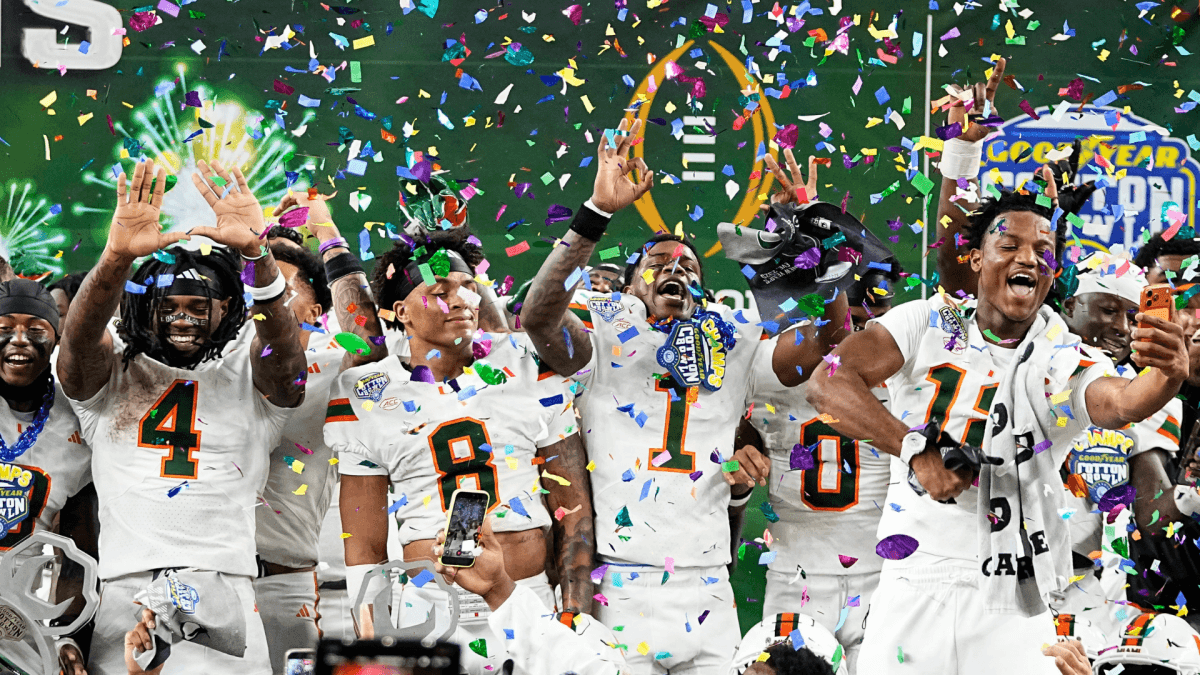
But man, did that Miami upset of Ohio State just pour gasoline on this whole raging dumpster fire of a season, proving that sometimes, even the most meticulously planned corporate events can go hilariously off the rails when actual humans show up to play.
They got shellacked.
Because Ohio State is the quintessential Big Ten paper tiger—a team built entirely on recruiting four and five-star skill position players, only to execute with the kind of stiff, predictable play calling that wouldn’t fly in a glorified high school scrimmage, they perpetually fold under the actual pressure of a national spotlight game, which is why they are famous for choking on the biggest stages imaginable, giving their fanbase perennial heartbreak every single time November turns into December, reinforcing the cruel cycle of optimism and spectacular collapse that defines their entire program’s modern identity. It’s glorious.
And let’s be real, Miami, the ‘U,’ the program that everyone claimed was finally back five years ago, only to immediately jump the shark, showing just enough flashes of brilliance to keep the national media interested before reverting back to mid-table mediocrity, finally played with the kind of swagger, ruthlessness, and sheer, unapologetic physicality that used to define them in the 1980s, when they were truly the villain everyone loved to hate, demonstrating that when they decide to stop playing pretty and start playing angry, they are still a nightmare to face. That dog will hunt.
But the real implication here isn’t about Miami’s resurgence—it’s about the vulnerability of the established elite. When a number 10 seed can stroll into a quarterfinal and absolutely dismantle a program that believes, wrongly, that it has a divine right to a national title appearance, it exposes the fundamental fragility of the coaching philosophies and billion-dollar budgets of the perennial contenders. We’ve seen this script before, haven’t we? It’s the sheer weight of expectation that crushes the Buckeyes, the knowledge that losing one single game means the entire season is deemed a failure by their rabid, demanding, and utterly self-entitled fan base, turning their highly paid athletes into bundles of nerves the minute the opposing team scores first. Good riddance.
And if you really want to dive into the deep end, think about the future recruiting implications, because every single high school kid watching that demolition derby is now thinking, ‘Why go to a place where perfection is mandatory and failure is catastrophic, when I could go to a place like Miami, where a little chaos is accepted, and the upside is just as high?’ This isn’t just one loss; it’s a seismic shift in the perception of institutional pressure.
Trevon Diggs and the Corporate Sports Distraction
And look, right in the middle of this glorious college football meltdown, the news drops: Packers claim cornerback Trevon Diggs off waivers after the Cowboys release him. Seriously? The timing is so perfectly manipulative, it’s almost insulting, because while the CFP is trying to sell its shiny new bracket, the NFL just throws out a juicy narrative about roster chaos and inter-division rivalry to steal the oxygen, confirming that the professional league always knows how to control the conversation better than the amateur leagues.
A classic media pivot.
Because you have to ask yourself, why was Diggs released in the first place? It’s always a hot mess with the Cowboys, isn’t it? Every time they seem to be building something stable, some internal drama, salary cap fiasco, or baffling personnel decision derails the whole thing, creating an unnecessary sideshow that dominates the sports talk channels for three days, giving the Packers a chance to sneakily improve their secondary right under everyone’s noses, making Jerry Jones look like an even bigger fool than usual, which is frankly quite an accomplishment considering his track record, yet somehow the fan base keeps coming back for this torture year after year, hoping for a championship that hasn’t materialized since the mid-90s, bless their hearts. It’s a tragedy.
And the Packers? They are the ultimate opportunists, always hovering near the top, never quite committing to a full rebuild or a full spend, just picking up the valuable scraps left by the richer, dumber franchises, which is exactly what happened here with Diggs, reinforcing their reputation as the most annoyingly consistent team in the league, regardless of who is playing quarterback, and the fact that this news broke during a major CFP quarterfinal merely highlights the power imbalance between the two leagues—the NFL is the primary broadcast event, and college football is the highly profitable feeder program. It’s all about leverage.
Predicting the Final Four and the Inevitable Scandal
But now that the bracket is busted wide open, and the committee’s carefully laid plans for a chalky semifinal have gone up in smoke like a forgotten brisket, we have to look ahead and speculate wildly, because speculation is the only honest currency left in this sport.
Pure guesswork now.
Because Texas, the team that everyone simultaneously loves and hates, and which brings the kind of viewing numbers that make network executives drool, might have peaked too early, winning that Citrus Bowl game, sure, but showing the kind of grinding fatigue and lack of offensive creativity that suggests they’ve run out of gas just when the truly tough sledding starts, meaning their next opponent, whoever they are, will benefit from facing a slightly exhausted Longhorns squad that’s playing on fumes, making them an unreliable pick despite their early season hype. They’re coasting.
And as for the other side of the bracket, you know Alabama is lurking, somehow always finding a way to sneak into the conversation even when they look slightly mediocre for three weeks in a row, thanks to the sheer institutional belief that they should be there, combined with the fact that referees tend to freeze up when they see Nick Saban scowling on the sideline, granting them the kind of favorable penalty calls that change the trajectory of close games, allowing them to grind out ugly wins that shouldn’t happen, cementing their status as the unstoppable, slightly boring, and deeply inevitable force of nature that the CFP was designed to appease. You can’t stop the inevitable.
But my money, if I had to foolishly wager my hard-earned beer money on something, is on the biggest dark horse that is currently flying under the radar, some sneaky, overlooked powerhouse from a forgotten conference that nobody watched all season, who will suddenly get hot at exactly the right moment, leveraging the chaos and the exhaustion of the big dogs to steal a spot in the championship game, only to then lose by four touchdowns because the pressure of the moment, the sheer enormity of the occasion, and the blinding stadium lights causes them to commit five inexplicable turnovers in the second half. It’s the rinse and repeat cycle.
And let’s be absolutely clear: even if we get a thrilling, competitive championship game that everyone praises as ‘one for the ages,’ you should prepare yourselves now for the inevitable, soul-crushing scandal that will drop three months later, maybe an NCAA investigation into boosters providing lavish NIL deals that violate a thousand new rules, maybe a transfer portal violation that gets the entire team banned retroactively, or perhaps the winning quarterback suddenly accepts a million-dollar job as a brand ambassador for a minor league pickleball team and has to vacate his eligibility, rendering the entire hard-fought season moot. Because in modern college football, you only celebrate until the subpoena arrives. Yada yada yada.
It’s not a sport; it’s a soap opera fueled by billionaire ego and undergraduate labor. And the new 12-team bracket just means there are twelve times the opportunity for delicious, predictable chaos. Pass the popcorn, this hot mess is far from over.