The Official Story: A Carefully Crafted Fairy Tale
And so the carousel turns again. Every year, we get fed the same lines, the same sanitized press releases, the same carefully coached soundbites designed to make a cold, hard business transaction feel like destiny. This week, we got a perfect diptych of this grand illusion, a tale of two coaches presented for your consumption by the corporate PR machine that runs college football.
The “Loyal” Leader at a Crossroads
First, you have Alex Golesh at USF. You could almost hear the violins playing in the background as he spoke at his final regular-season media briefing. He sounded wistful. Contemplative. He talked about the program, the journey, the future, and he most certainly did not sound like a man about to pack his bags and bolt for the nearest seven-figure paycheck from some SEC behemoth desperately looking for an offensive guru. The official narrative here is one of loyalty. Of a builder. He’s a man with roots, a man invested in his team, a man whose future is intertwined with that of his star quarterback, Byrum Brown. It’s a touching story. A story the fans, the boosters, and the administration desperately need to believe.
The “Ambitious” Climber Seizing His Moment
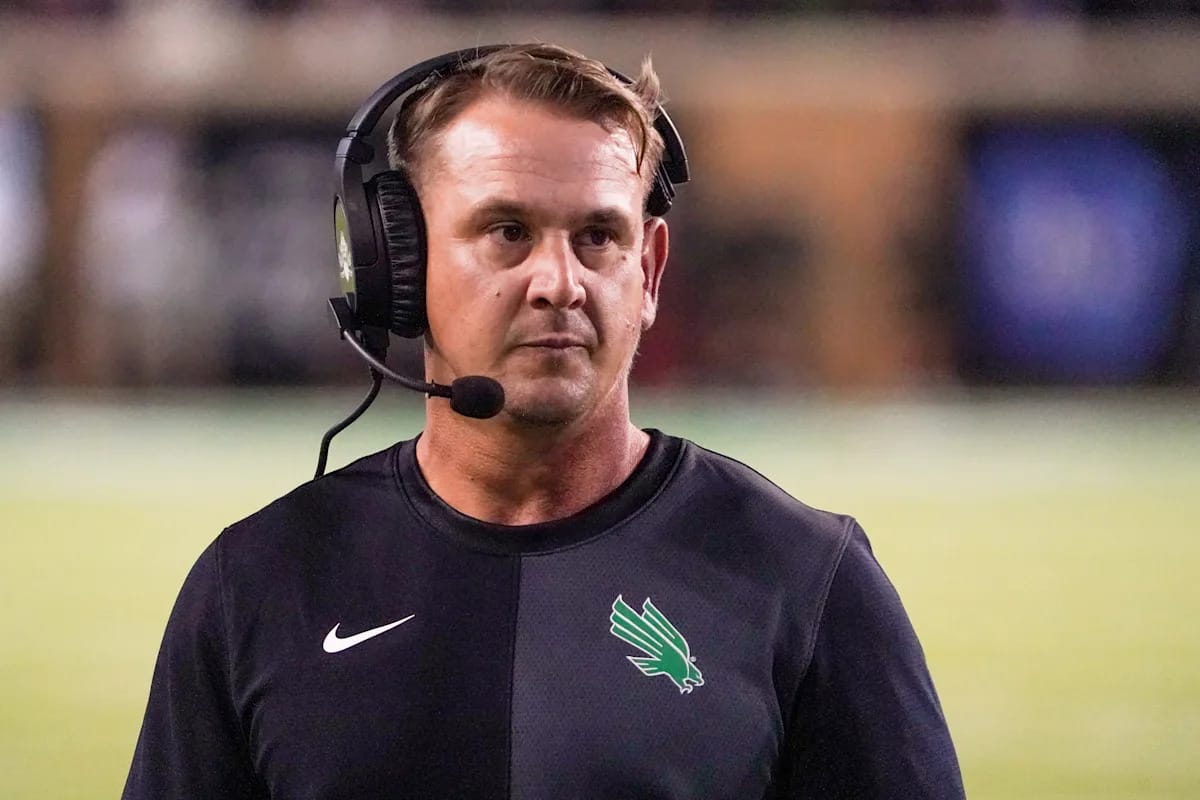
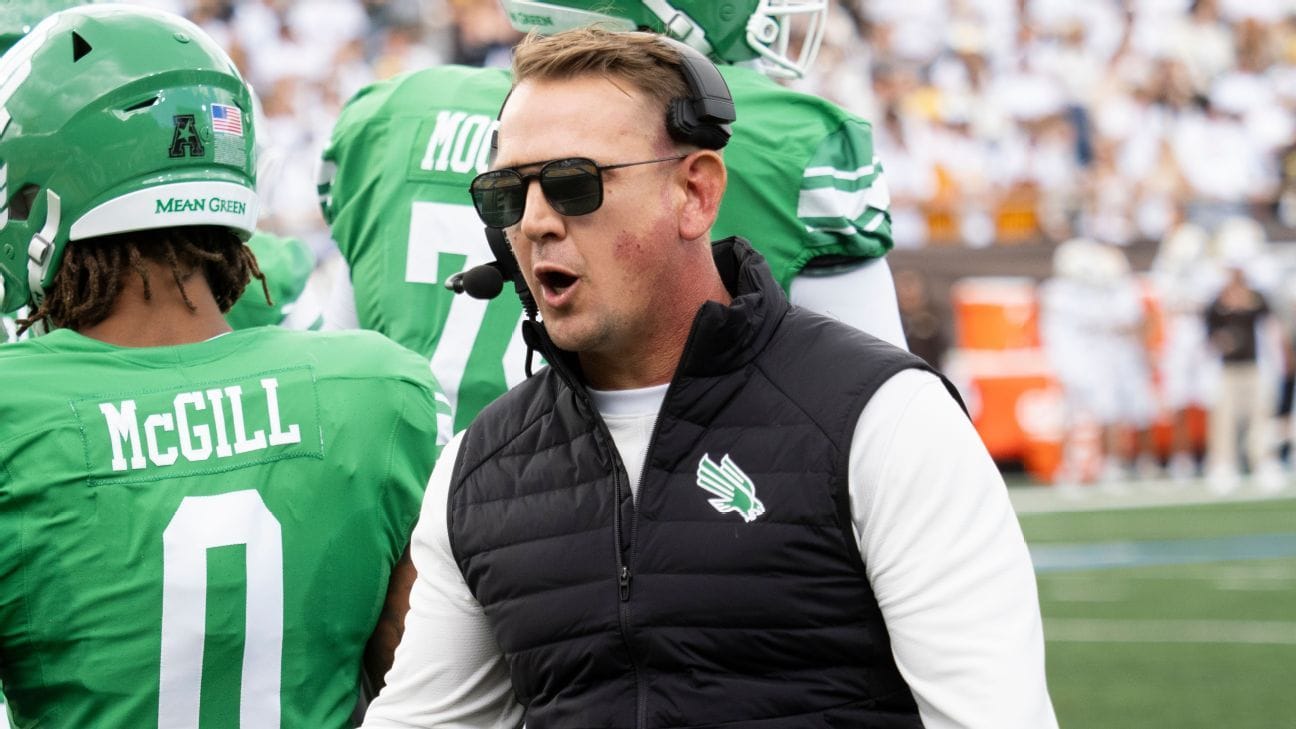
Then, on the other side of the coin, we have Eric Morris. The ink is barely dry on the press release from Oklahoma State, announcing him as their shiny new offensive coordinator. He’s the hotshot from North Texas, the guy who led the Mean Green to a fantastic 10-1 record, and now he’s getting his big break in the Big 12. This is the other side of the acceptable narrative. This isn’t betrayal; it’s ambition. It’s a logical career move, a step up the ladder, a testament to his hard work and success. North Texas is supposed to be proud. Oklahoma State is thrilled. Everyone is supposed to shake hands, smile for the cameras, and accept this as the natural order of things. One man stays. Another man goes. It’s all very neat and tidy.
The Ugly Truth: It’s a Rigged System and You’re the Sucker
But let’s cut the crap. You and I know what’s really going on here, because we see it year after agonizing year. The entire narrative is a lie constructed by the powerful to keep the powerless in line. It’s a shell game played by agents, athletic directors, and multi-millionaire coaches, and the only people who consistently lose are the fans and the student-athletes left picking up the pieces.
There Is No Loyalty. Only Leverage.
That wistful tone from Alex Golesh? Don’t mistake it for loyalty. It’s the sound of a man who knows his market value is skyrocketing. It’s the sound of a coach who is inextricably linked to his star quarterback, Byrum Brown, and knows that his best chance at a massive payday, whether at USF or elsewhere, depends on that kid staying put. Because the moment Brown even thinks about hitting the transfer portal, Golesh’s phone will start ringing with offers that make his current salary look like pocket change, and all that talk about building a culture in Tampa will evaporate like morning dew. His loyalty isn’t to a school; it’s to his career trajectory. He isn’t looking to take another job *right now*. That’s the key part of the sentence they want you to miss. It’s all conditional. It’s business. And the product he’s selling is hope to a fanbase that’s been starved of it for years.
Your Program is a Farm System. Nothing More.
And what about Eric Morris? Let’s call his move what it is. It’s a gut punch to North Texas. He didn’t build that 10-1 record in a vacuum; he did it with players he recruited, with a staff he assembled, and with the support of a fanbase that poured its heart and money into the Mean Green program. And for what? For the privilege of being a stepping stone. Oklahoma State didn’t have to do the hard work of identifying and developing a brilliant offensive mind; they just waited for a smaller, poorer school to do it for them and then swooped in with a bigger checkbook. They treated North Texas like a minor league affiliate. Like a farm system. And this isn’t an anomaly; it’s the entire business model of the Power Five conferences. Why build when you can buy? Why take risks on unproven talent when you can let a Group of Five school take all the risk, and then you just poach their success when it’s fully baked? It’s a parasitic relationship disguised as a meritocracy. They don’t respect schools like North Texas. They see them as a resource to be plundered, a field to be harvested before being left fallow. It’s disgusting. An absolute betrayal of the very idea of collegiate competition.
The Whole Damn Thing is a Vicious Cycle
Because this is the reality the NCAA, ESPN, and the conference commissioners will never admit to you on television. The system is intentionally designed to ensure the rich get richer and the rest fight over scraps. The massive television contracts, the conference realignments that are all about media markets instead of geography or tradition, the College Football Playoff that has been a closed shop for the same 10 teams since its inception—it all creates a permanent aristocracy. And a key part of maintaining that aristocracy is ensuring that any rising threat from the lower classes can be immediately neutralized by buying their coach, their quarterback, or their best defensive end through the transfer portal. It’s a game of economic survival, and the schools with the billion-dollar endowments and the nine-figure TV deals hold all the cards. They’ve created a world where a coach at a place like USF or North Texas has a fiduciary duty to his family to take the bigger job. They’ve made loyalty a sucker’s bet. They rigged the game and then have the audacity to act surprised when people play by the rules they created. So the next time you hear a coach talk about ‘culture’ and ‘family’ and ‘building something for the long haul,’ just remember what it really is. It’s a sales pitch. And it’s only valid until a better offer comes along.